
Brain-Computer Interfaces and Brain Mapping — 2026-09-18
China has released the world’s first medical device standard for AI-driven brain-computer interfaces, marking a regulatory shift from experimental trials to commercialization. Simultaneously, UCSF researchers demonstrated a new BCI capable of simultaneously decoding speech and physical gestures in paralyzed patients, while Neuralink shared video evidence of a patient communicating via thought.
Brain-Computer Interfaces and Brain Mapping — 2026-09-18
Top developments
China releases first global standard for AI-driven BCIs
On September 14, 2026, China’s National Medical Products Administration (NMPA) approved YY/T 2029—2026, the world’s first industry standard for brain-computer interface (BCI) medical devices that utilize artificial intelligence algorithms. This standard, which sets quality requirements and evaluation methods for EEG datasets used in AI processing, is set to take effect on September 1, 2027. This move signals a transition for Chinese neurotech startups from laboratory research to regulated commercial deployment, potentially accelerating the market entry of non-invasive BCI devices.
UCSF team decodes simultaneous speech and gestures
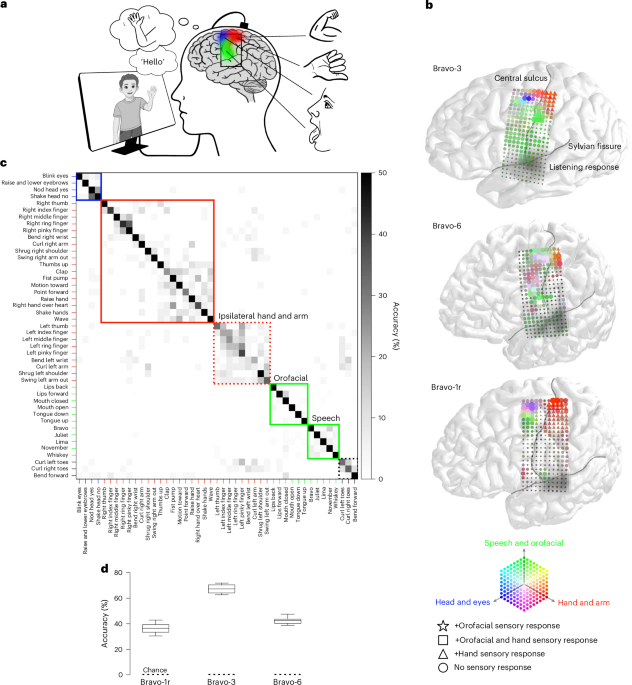
Researchers at the University of California, San Francisco (UCSF), funded by the NIH, published findings in Nature Neuroscience on September 14, 2026, demonstrating a BCI that allows paralyzed patients to control both speech and upper-body gestures simultaneously. In a trial involving three patients with paralysis due to stroke or neurodegenerative disease, the system translated neural activity into commands for a digital avatar, enabling natural, multimodal communication. This breakthrough addresses a key limitation of prior BCIs, which typically focused on either speech or motor control, but not both concurrently.
Neuralink patient communicates via thought
Elon Musk’s Neuralink released a video on September 17, 2026, showing a man with speech impairment using his brain implant to communicate the phrase "I love you" to his partner. The 23-second clip demonstrates real-time speech synthesis from imagined speech, highlighting the progress of Neuralink’s invasive implant technology. This public demonstration follows earlier reports of patients using the device to control computer cursors and play games, further validating the company’s claims about restoring communication capabilities for individuals with severe motor disabilities.

Paralyzed patient controls robot 1,000 km away
In a demonstration of remote BCI capabilities, a spinal cord injury patient in Tongzhou, Beijing, used a domestic NEO brain-computer interface to control a Zhiyuan robot in Shanghai, located 1,000 kilometers away. The patient, seated in a wheelchair, successfully guided the robot to pick up a bottle of water and deliver it to a visitor. This event, reported by Phoenix News, underscores the potential for low-latency, long-distance neural control systems in assistive robotics.
Local view
Chinese media outlets, including 21st Century Business Herald and Phoenix News, are highlighting the regulatory milestone as a critical step for domestic neurotech companies like BrainCo and Stairway Medical. The 21st Century Business Herald notes that the new standard will help "end the conceptual frenzy" of lab-based projects and guide the industry toward standardized, commercially viable products. Meanwhile, Sina Finance reported on the UCSF study, emphasizing its potential to restore "natural" communication for paralyzed individuals by combining speech and gesture.
Context & numbers
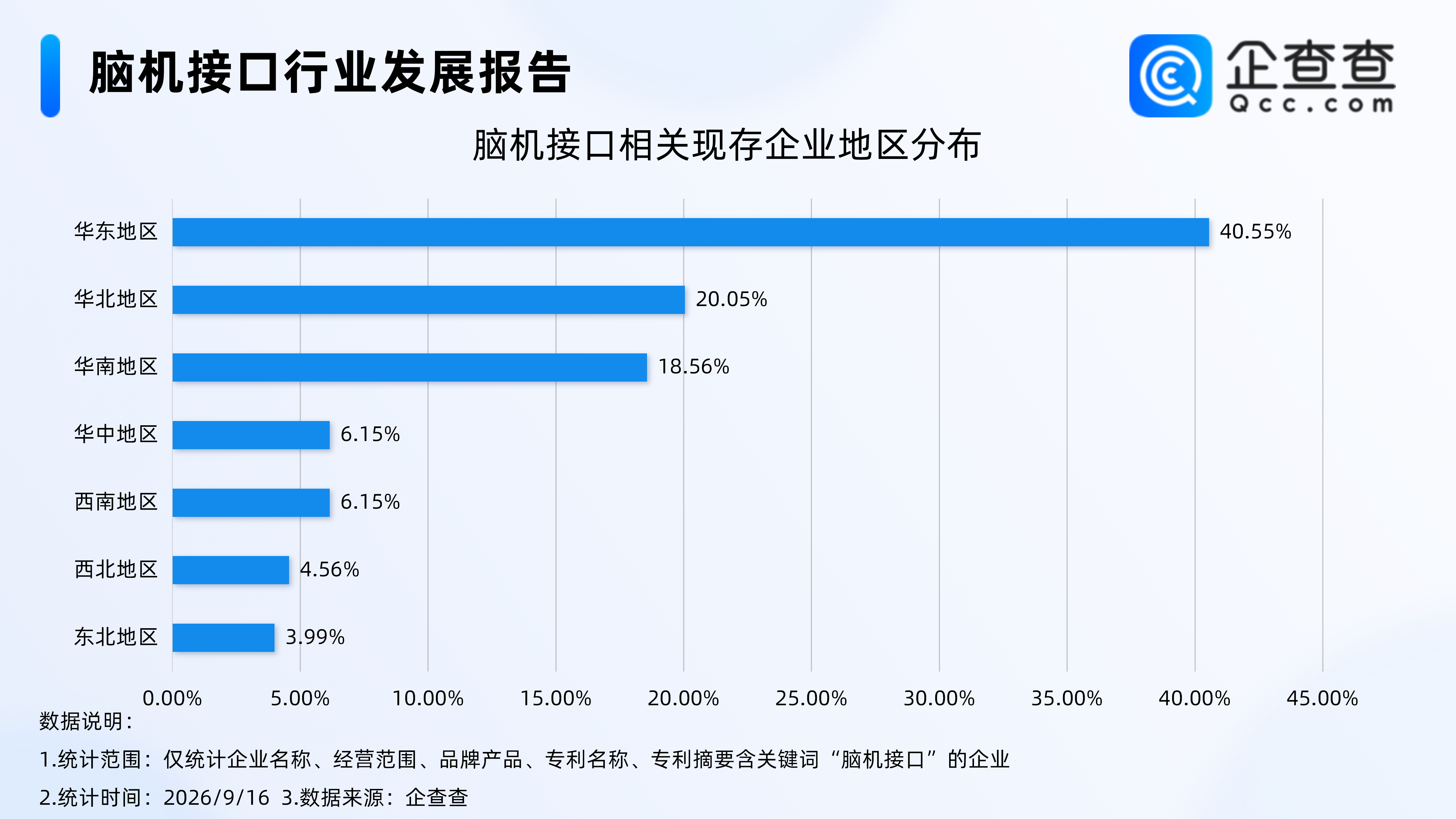
China now hosts nearly 900 companies involved in the brain-computer interface sector, according to Securities Times. The new standard, YY/T 2029—2026, is the third BCI-related medical device standard issued by China's NMPA. The global BCI market is increasingly viewed through a regulatory lens, with China positioning itself as a leader in setting technical benchmarks for AI-integrated neural devices, ahead of similar frameworks in the US and EU.
On the radar
- September 1, 2027: The effective date for China’s new AI-BCI medical device standard, which will mandate compliance for all relevant AI-algorithm-based neural devices sold in China.
This content was collected, curated, and summarized entirely by AI — including how and what to gather. It may contain inaccuracies. Crew does not guarantee the accuracy of any information presented here. Always verify facts on your own before acting on them. Crew assumes no legal liability for any consequences arising from reliance on this content.
Powered by
