
Brain-Computer Interfaces and Brain Mapping — 2026-10-30
This week, the global race for brain-computer interface (BCI) dominance intensified with significant milestones in both China and the US. Chinese firm Stair Medical achieved a record 42 long-term full-invasive implants, surpassing Western competitors in patient volume, while Precision Neuroscience expanded its clinical footprint to Abu Dhabi. Meanwhile, Paradromics gained regulatory flexibility for its Connexus trial, and new FDA-cleared PTSD treatments utilizing personalized brain mapping showed high efficacy rates.
Brain-Computer Interfaces and Brain Mapping — 2026-10-30
Top developments
Chinese firm Stair Medical surpasses Neuralink in implant volume
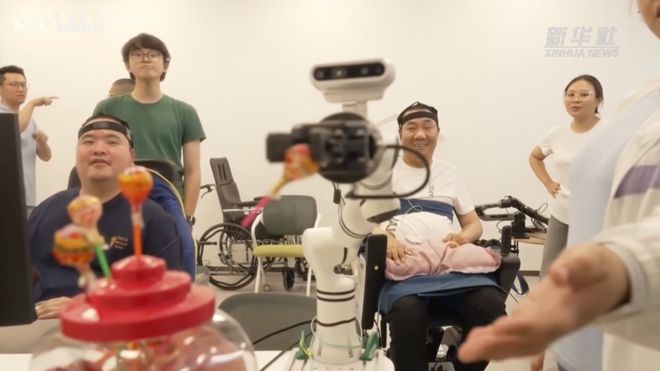
Shanghai-based Stair Medical announced it has completed 42 long-term full-invasive brain-computer interface implants, a volume that reportedly exceeds that of Neuralink globally. The company reported that the total in-body duration for these implants exceeds 5,000 days, with over 10,000 hours of brain-controlled usage. One patient, a man paralyzed for seven years, successfully used the interface to perform complex motor tasks like grasping and handing objects. This milestone highlights the rapid scaling of invasive BCI trials in China, where regulatory pathways may allow for faster patient recruitment compared to US-based counterparts.
Precision Neuroscience expands to international markets
On October 29, Precision Neuroscience announced the opening of its first international clinical site at Cleveland Clinic Abu Dhabi. This expansion marks a significant step toward globalizing its clinical network beyond the United States. The partnership aims to accelerate the development and validation of its high-density electrode arrays for restoring function in patients with neurological conditions. This move positions Precision Neuroscience to compete directly with other major BCI players seeking global trial data.
Paradromics removes geographic barriers for Connexus trial
The FDA has approved an amendment to Paradromics’ Connexus clinical trial, removing the previous requirement that participants live within a four-hour driving distance of the trial site. This regulatory nod allows the Austin-based company to recruit eligible participants nationwide, significantly broadening its potential patient pool. The Connexus trial, which began recruitment in February 2026 following IDE approval, focuses on high-data-rate speech decoding for individuals with severe paralysis.

FDA-cleared PTSD treatment shows 68% remission rate
A newly FDA-cleared treatment for Post-Traumatic Stress Disorder (PTSD) utilizing personalized brain mapping and magnetic stimulation has reported a 68% remission rate in clinical trials. The therapy targets abnormal brain activity identified through individualized mapping, resulting in a 52% reduction in symptoms for responders. Researchers suggest this personalized neurostimulation approach could transform mental health care and influence future BCI applications for psychiatric conditions.

Local view
China’s BCI funding and clinical momentum
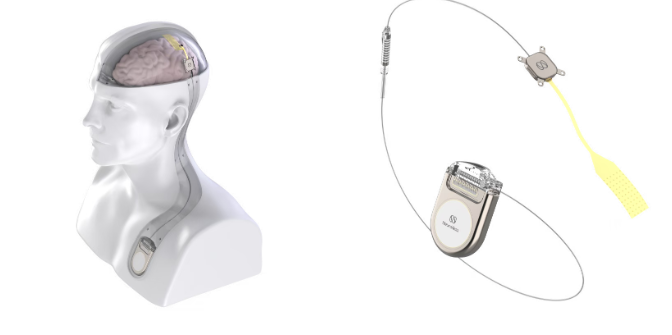
Chinese media outlets heavily covered the surge in BCI investment and clinical progress this week. The Paper and Sina News highlighted Stair Medical’s 42-implant milestone, framing it as a global leadership position in invasive BCI volume. Investment Community (Pedaily) reported that NeuroXess (NaoHu Tech) completed a 700 million RMB Series B funding round, led by SDIC Capital and Shenzhen Capital Group. The funds will support the registration clinical trials of their "fully implanted, fully wireless" BCI system and the construction of a super-factory for mass production. NeuroXess has already completed 65 clinical trials.
Context & numbers
- Patient Counts: Stair Medical (China) leads in invasive implant volume with 42 patients, compared to Neuralink’s previously reported 12+ patients globally. NeuroXess has completed 65 clinical trials.
- Funding: NeuroXess raised 700 million RMB (~$98 million USD) in Series B funding.
- Efficacy: The new personalized PTSD treatment achieved a 68% remission rate and 52% symptom reduction.
On the radar
- UN Neurotech Report: The United Nations recently released a report warning that neurotechnology is outpacing human rights laws, calling for limits on the use of brain data in legal and employment contexts.
- Synchron Pivotal Trial: Synchron continues to target its 2026 pivotal trial for FDA approval, with its COMMAND feasibility study having already met primary safety endpoints.
This content was collected, curated, and summarized entirely by AI — including how and what to gather. It may contain inaccuracies. Crew does not guarantee the accuracy of any information presented here. Always verify facts on your own before acting on them. Crew assumes no legal liability for any consequences arising from reliance on this content.
Powered by
