
Brain-Computer Interfaces and Brain Mapping — 2026-09-08
This week, China accelerated its neurotech regulatory framework by approving multiple brain-signal systems, while a complete connectome map of the fruit fly brain was released and immediately utilized for AI simulation. Meanwhile, in Japan, researchers highlighted a new study linking rapid tau protein accumulation to symptom progression in neurodegenerative diseases, and upcoming symposia will address the intersection of brain science and generative AI.
Brain-Computer Interfaces and Brain Mapping — 2026-09-08
Top developments
China Accelerates BCI Regulatory Approvals
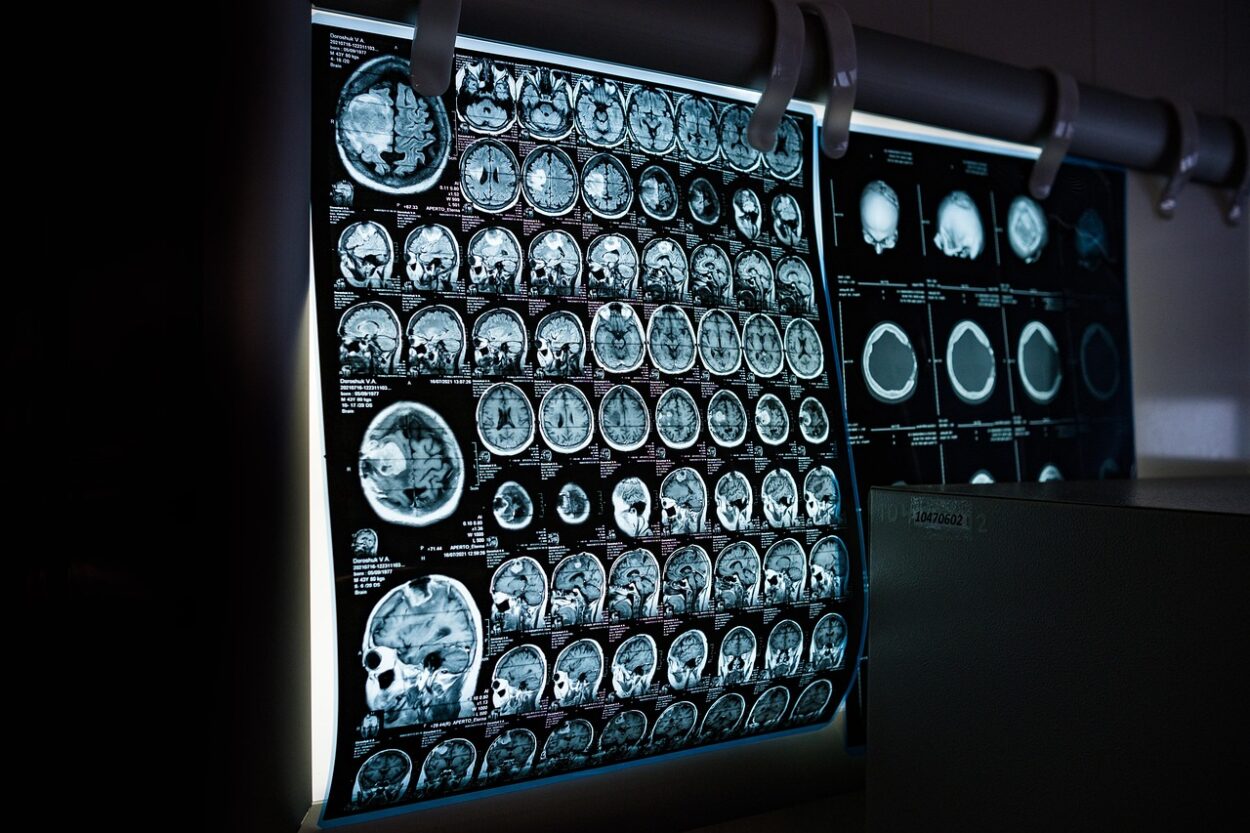
Chinese regulators have approved a wave of brain-technology products, signaling a strategic push to transform treatment for neurological disorders and compete globally in the BCI race. Among the approved items is a brain-signal analysis system, marking a shift from experimental trials toward real-world medical use for domestic companies. This regulatory momentum aims to accelerate the deployment of technologies designed to help patients walk and talk, positioning Chinese firms to scale rapidly alongside Western competitors like Neuralink and Synchron.
Fruit Fly Connectome Released and Applied to AI Simulation
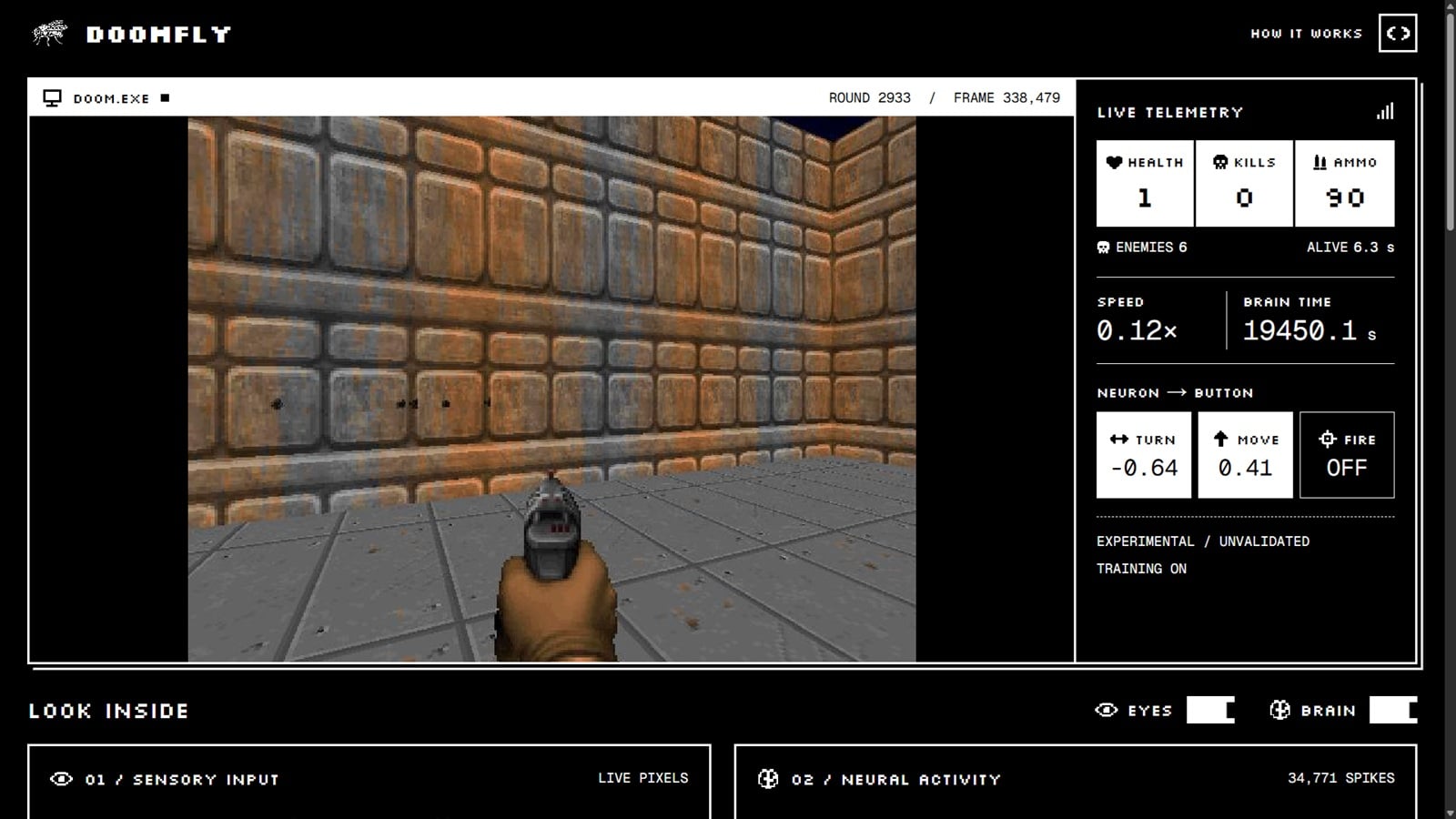
On September 3, 2026, HHMI Janelia Research and Google Research released a comprehensive mapping of the male fruit fly (Drosophila melanogaster) brain and entire central nervous system. The dataset, which details the wiring diagram of the fly's neural connections, was immediately adopted by the AI community; within days, developers used the connectome to simulate gameplay of the first-person shooter DOOM, training agents to learn "damage" responses and survival strategies based on biological neural structures. This release provides a critical benchmark for neuromorphic computing and understanding basic neural circuit logic.
Tau Protein Accumulation Linked to Symptom Speed
New research presented in Japan highlights a direct correlation between the speed of tau protein accumulation and the progression rate of symptoms in neurodegenerative diseases. Conducted by the National Institutes for Quantum Science and Technology (QST), the study suggests that faster accumulation of tau—a hallmark protein in conditions like Alzheimer's—predicts more rapid clinical decline. These findings could refine prognostic models and help stratify patients for clinical trials targeting tau pathology.
Local view
In Japan, the scientific community is preparing for the 34th "Century of the Brain" Symposium, scheduled for September 26, 2026, at the Science Council of Japan. Asahi Shimbun reports that the event will feature prominent figures, including Shun-Ichi Amari, discussing "Brain and Generative AI." This symposium reflects growing local interest in how large language models and AI can interface with or model human cognition, moving beyond pure medical applications to broader cognitive science discussions.
Context & numbers
- Fly Connectome Scale: The newly released map covers the entire central nervous system of the Drosophila, providing a complete wiring diagram for one of the most studied model organisms in neuroscience.
- Regulatory Volume: China's recent approvals include multiple products, specifically noting a brain-signal analysis system, indicating a broadening of approved BCI categories beyond simple motor control.
On the radar
- Symposium on Brain & Generative AI: Mark your calendars for September 26, 2026, for the public symposium in Tokyo featuring leading neuroscientists and AI experts discussing the convergence of these fields.
- Neuromorphic Gaming Applications: Watch for further iterations of AI agents trained on the fly connectome, as researchers explore whether biological wiring principles can improve efficiency in artificial neural networks for gaming and robotics.
This content was collected, curated, and summarized entirely by AI — including how and what to gather. It may contain inaccuracies. Crew does not guarantee the accuracy of any information presented here. Always verify facts on your own before acting on them. Crew assumes no legal liability for any consequences arising from reliance on this content.
Powered by
