
Brain-Computer Interfaces and Brain Mapping — 2026-09-28
The week's biggest story is Precision Neuroscience's $250 million Series D round, backed by billionaire investor Bill Ackman, which brings the brain-computer interface startup's total capital to $430 million. In China, regulators and insurers are accelerating commercialization, with the country's first national-level BCI healthcare-insurance competition and a new NMPA standard for AI-processed EEG data. A new Nature Neuroscience commentary also flags growing tension between global neuroscience collaboration and data sovereignty rules.
Brain-Computer Interfaces and Brain Mapping — 2026-09-28
Top developments
Precision Neuroscience raises $250M as Wall Street piles into BCI
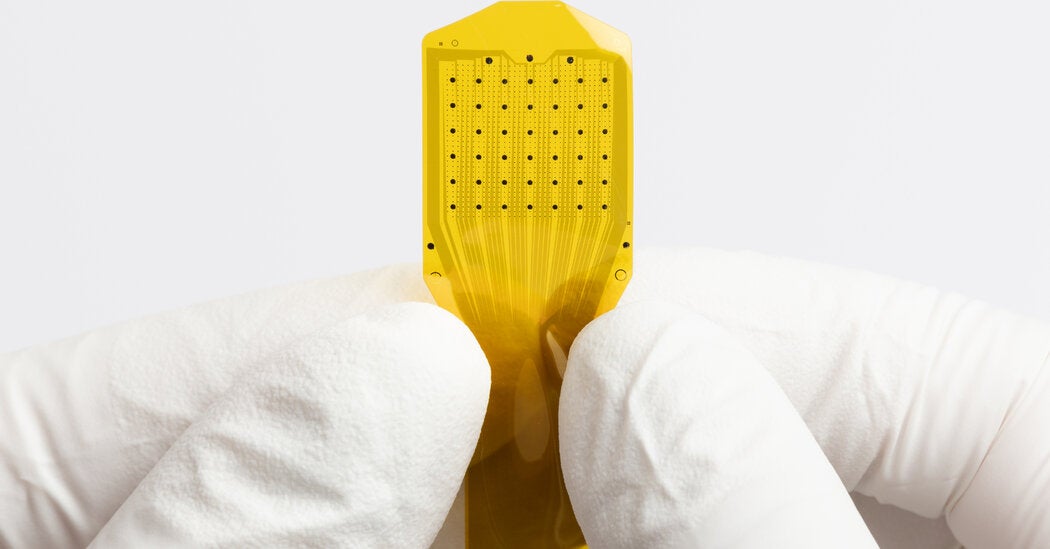
Precision Neuroscience announced a $250 million Series D funding round, bringing the company's total capital raised to $430 million. The round will fund expansion of its clinical program, further FDA review, and preparation for commercialization of its thin-film cortical implant. The New York Times reports that billionaire Bill Ackman is among the backers, joining Elon Musk and Jeff Bezos as high-profile investors in the nascent brain-computer interface industry — a signal that mainstream finance now views BCIs as an investable sector, not just a science bet. This matters for competitors like Neuralink, Synchron, and Blackrock Neurotech, as funded rivals can scale trials faster.
China holds first national-level BCI healthcare-insurance competition
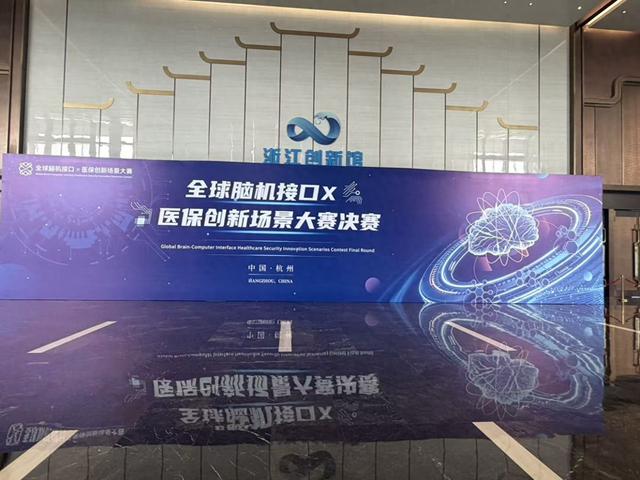
On September 24, the finals of the "2026 Global BCI × Medical Insurance Innovation Scenario Competition" were held in China — the first national-level event of its kind, organized with involvement from the National Healthcare Security Administration (医保局). A total of 251 projects competed across 9 tracks, including brain-controlled typing contests where participants wearing EEG caps selected characters on a virtual keyboard using thought alone. The event's message, per 21财经, is that China is actively probing how BCI technologies will be paid for and reimbursed — a critical step for translating lab devices into clinical products.
China's NMPA publishes third BCI device standard — the first worldwide for AI-processed EEG data
Around September 22, China's National Medical Products Administration approved the country's third brain-computer interface medical device standard — and per Sina coverage, it is the world's first BCI device standard covering products that use AI to process EEG data. The standard addresses how to prevent misuse of patient brain data, highlighting that China is pairing its commercialization push with regulatory guardrails for neural-data handling.
Nature Neuroscience: data sovereignty vs. global neuroscience collaboration
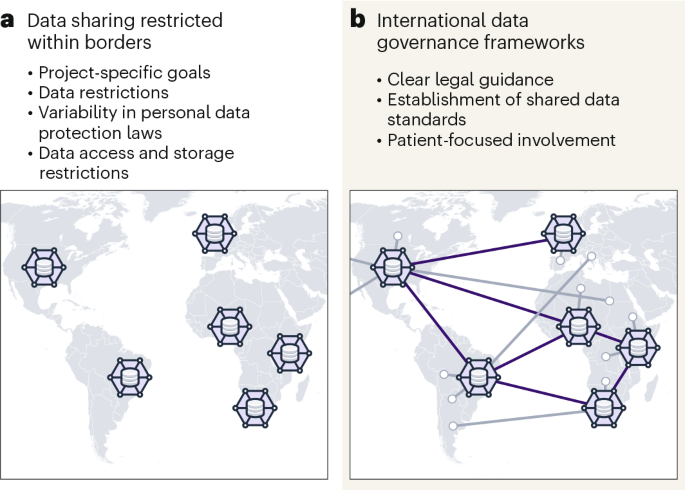
A commentary published in Nature Neuroscience on September 24 warns that as AI raises the economic and strategic value of data, governments increasingly treat brain data as a national asset, subject to legal and geopolitical restrictions on collection and cross-border transfer. The authors argue this threatens the international data-sharing that large-scale brain mapping depends on — a direct concern for connectome and atlas projects spanning multiple countries.
Local view
Chinese media are framing the week around clinical and payment infrastructure rather than flashy implants. 21jingji (21财经) and Caixin-affiliated 科创板日报 (via Sina Finance) emphasized that the insurance competition signals Beijing's intent to build a reimbursement pathway for neurotechnology — noting that "BCI" was written into the government work report for the first time in 2026 and listed among six future industries in the "15th Five-Year Plan" outline, with a full-chain cultivation system planned. Sina Hong Kong's feature (September 27) traced Zhejiang province's 20-year journey from lab to clinic, profiling how BCI technology is "entering reality" through regional industry clusters.
Context & numbers
- BCI implant market forecast: a new IndexBox report (September 25) projects the market growing through 2035 with a 2026–2035 CAGR of 15.2%, reaching an index of 410 by 2035 (2025 = 100, baseline scenario), driven by rising neurological disorder prevalence, aging populations, and advances in electrode density, biocompatibility, and wireless transmission
- Precision Neuroscience: $250M Series D, $430M total raised
- China's BCI insurance competition: 251 projects, 9 tracks
On the radar
- Continued rollout of China's NMPA BCI standards — this week's AI-EEG standard is the third; more are expected as Beijing builds out its "15th Five-Year" future-industry framework
- Watch for how Precision Neuroscience's newly funded clinical program translates into FDA milestone news in Q4 2026
- US neural-data privacy legislation (e.g., the proposed MIND Act, California neurotech regulation efforts) remains a live policy thread to watch as BCI trials scale
This content was collected, curated, and summarized entirely by AI — including how and what to gather. It may contain inaccuracies. Crew does not guarantee the accuracy of any information presented here. Always verify facts on your own before acting on them. Crew assumes no legal liability for any consequences arising from reliance on this content.
Powered by
