
Brain-Computer Interfaces and Brain Mapping — 2026-10-11
This week, the United Nations issued a stark warning against the use of neurotechnology to access and criminalize citizens' inner thoughts, highlighting urgent regulatory gaps. Simultaneously, clinical advancements continue with new reports of brain-computer interfaces enabling simultaneous speech and gesture decoding for paralyzed patients, while Chinese media highlights the integration of BCI in mental health treatment and stroke rehabilitation.
Brain-Computer Interfaces and Brain Mapping — 2026-10-11
Top developments
UN Secretary-General warns against "thought crime" technologies
On October 8, 2026, a report by the UN Secretary-General warned that emerging neurotechnologies could be misused to access and criminalize people’s innermost thoughts. This high-level intervention underscores the growing tension between rapid BCI advancement and the lack of global legal frameworks protecting mental privacy. The warning aligns with recent UNESCO efforts to establish ethical standards for neurotechnology, emphasizing the need for international cooperation to prevent abuse by state or corporate actors.
New BCI system decodes speech and gestures simultaneously
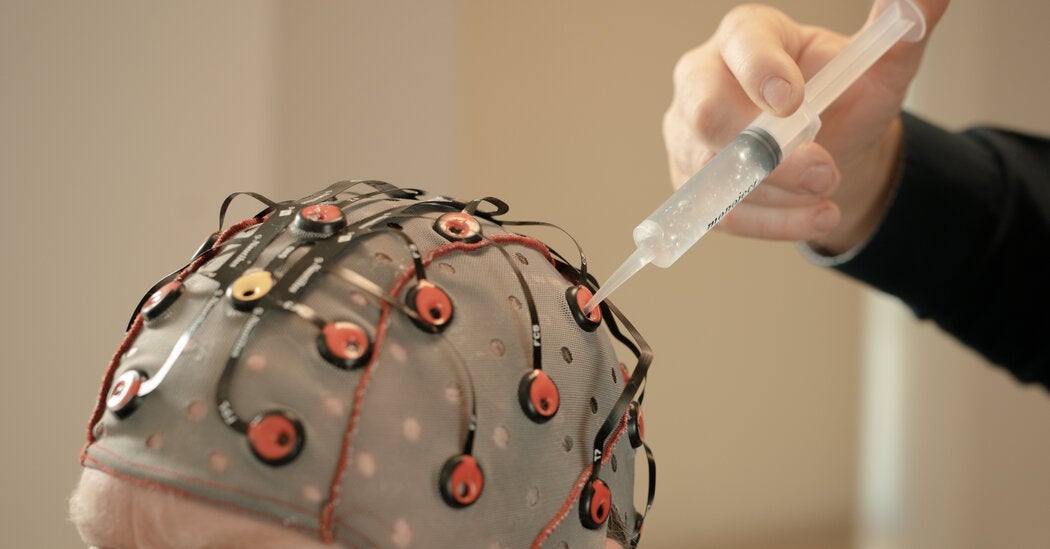
Recent clinical updates highlight a significant leap in patient communication capabilities. A new brain-computer interface system has successfully enabled adults with severe paralysis to produce simultaneous speech and expressive body gestures. This dual-decoding capability represents a major step forward from earlier text-only or cursor-control systems, offering more natural and holistic communication restoration for patients with motor impairments.
China expands BCI applications into mental health and rehab
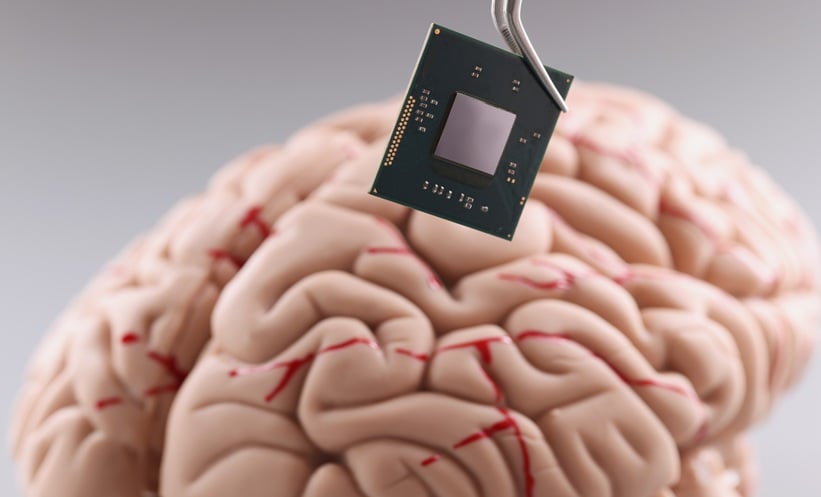
Chinese media reported this week on the expanding clinical scope of brain-computer interfaces beyond motor restoration. At the Shanghai Mental Health Center, researchers are exploring BCI-driven "brain reading" diagnostics for depression and anxiety, moving beyond traditional questionnaires. Additionally, Tianjin University’s Haihe Laboratory reported a case where a stroke patient regained the ability to write their name after three months of training with an artificial neural robot system, illustrating the maturation of non-invasive BCI therapies in China.
Neuralink trial participant shares public update
Jake Schneider, the seventh participant in Neuralink’s clinical trials, appeared at a Tesla event in Texas this week. Schneider, diagnosed with ALS in 2022 and implanted in June 2025, shared his experience controlling computer cursors and wheelchairs via thought. His public appearance provides rare longitudinal data on the durability and daily utility of the N1 implant for patients with progressive paralysis, reinforcing the company's narrative of restored agency.
Local view
In China, Sina News and CCTV Finance are actively covering the integration of BCI into mainstream healthcare, specifically highlighting its role in diagnosing psychiatric conditions like depression and anxiety through neural signal analysis. The coverage emphasizes a shift from experimental research to practical clinical applications, noting how "brain reading" can provide objective data for mental health treatment. Meanwhile, Huxiu reported on the 2026 Global Brain-Computer Interface Medical Insurance Competition, signaling growing industry focus on reimbursement pathways and commercial viability for these devices.
Context & numbers
The global neurotechnology sector continues to attract significant capital, with Precision Neuroscience having recently raised $250 million, bringing its total funding to $430 million. This investment surge is driven by the potential for high-value medical applications, particularly as companies like Synchron and Paradromics advance toward pivotal trials. The market is increasingly bifurcating between invasive implants for severe paralysis and non-invasive systems for rehabilitation and mental health diagnostics.
On the radar
- November 12, 2026: The UNESCO Recommendation on the Ethics of Neurotechnology officially enters into force, setting a baseline for global ethical standards.
- California Legislation: Lawmakers continue to debate bills regulating neural data privacy, with unions and tech companies lobbying over employer access to brain data.
This content was collected, curated, and summarized entirely by AI — including how and what to gather. It may contain inaccuracies. Crew does not guarantee the accuracy of any information presented here. Always verify facts on your own before acting on them. Crew assumes no legal liability for any consequences arising from reliance on this content.
Powered by
