
Brain-Computer Interfaces and Brain Mapping — 2026-10-26
Recent developments in brain-computer interface (BCI) technology highlight a shift toward regulatory frameworks and new clinical applications. A new UN report warns that neurotechnology data privacy laws are lagging behind technological capabilities, while international standards for BCI architecture have been released. In clinical research, new studies have identified specific brain pathways linked to depression treatment and neural activity related to "mirror neurons."
Brain-Computer Interfaces and Brain Mapping — 2026-10-26
Top developments
UN report urges limits on neurotechnology data use
A new United Nations report warns that neurotechnology is advancing faster than laws designed to protect human rights, raising concerns that brain signals could be used as evidence in court. The report calls for strict limits on the collection and use of neural data from devices like gaming headsets and wellness gadgets. This highlights the growing tension between rapid technological adoption and the need for robust legal protections for "digital thoughts."
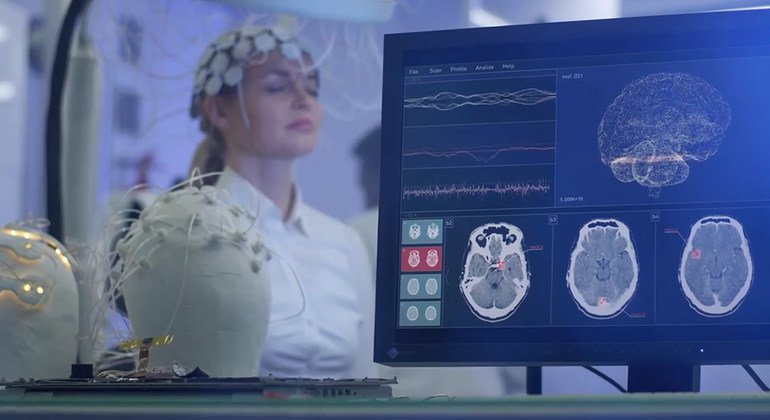
New brain pathways identified for depression treatment
Researchers have uncovered three specific brain pathways linked to lasting improvements in patients receiving deep brain stimulation (DBS) for severe, treatment-resistant depression. The study found that patients who did not improve after two years shared a pattern of insufficient stimulation of these pathways. This finding could help clinicians tailor DBS parameters to individual patients, potentially improving outcomes for those who currently fail to benefit from the therapy.
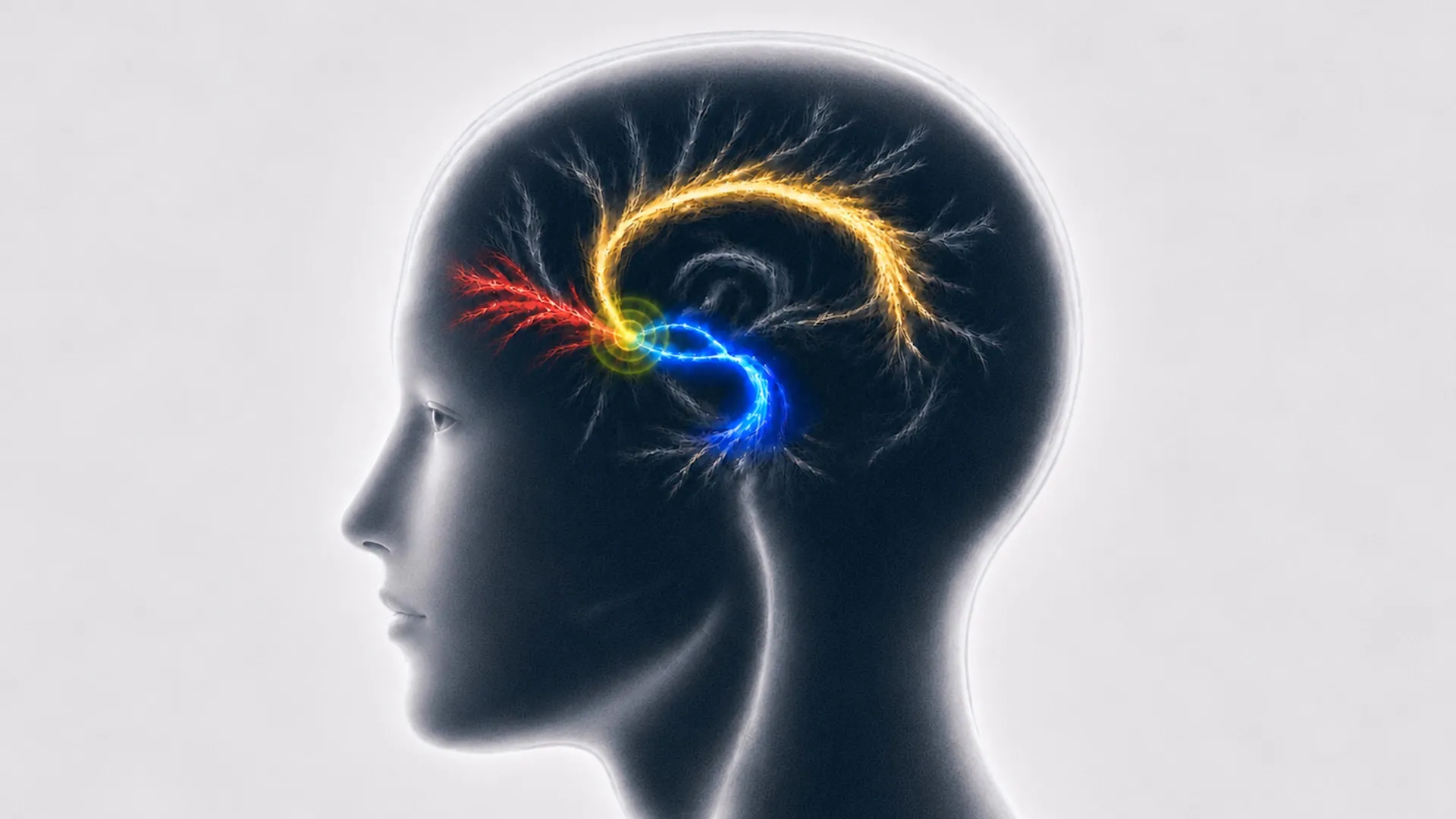
Study sheds light on "mirror neuron" activity
A new study using brain-computer interface technology has provided detailed insights into how the motor cortex reacts when individuals observe actions performed by others. The research expands understanding of "mirror neurons," which are thought to play a key role in empathy and learning. These findings may have implications for developing better rehabilitation tools for stroke patients and improving human-robot interaction.

Local view
China releases international standard for BCI architecture
China has achieved a significant milestone in neurotechnology standardization with the release of an international standard for Brain-Computer Interface reference architecture. The standard, titled "Information Technology — Brain-Computer Interface Reference Architecture," was led by Chinese experts and published by the International Organization for Standardization (ISO/IEC). This move positions China as a key player in shaping the global technical framework for BCI development and interoperability.
Chinese company advances closed-loop ultrasound BCI
Huachao Shenkong, a Chinese neurotechnology company, announced that its FUS-Neuro closed-loop ultrasound brain-computer neural modulation system passed medical device type testing in September 2026. This achievement accelerates the system's entry into clinical trials for multiple indications. The company is focusing on "NeuroAI" capabilities, betting on the evolution of AI integration as a key barrier and differentiator in the BCI market beyond just hardware.
Context & numbers
Neural data privacy laws emerging at state level
As federal privacy legislation remains fragmented, state-level laws regulating "neural data" are beginning to emerge. Legal experts note that attorneys are advising companies on compliance obligations as these new regulations take shape. The focus is on protecting consumer data generated from nervous system activity, with California being a notable early mover in this regulatory space.
Workplace neural monitoring raises ethical concerns
Researchers are warning that the legal and ethical frameworks are unprepared for the influx of wearable brain monitors and stimulators entering the workplace. The coming battle over "neural data rights" involves critical issues of privacy, autonomy, and potential coercion by employers. This trend underscores the urgency for clear guidelines on how neural data can be used in employment contexts.

On the radar
- Federal Privacy Legislation: 49 bills are currently being debated in the 119th Congress to reshape US data privacy laws, which could have downstream effects on neurotech regulation.
- Neurotech Challenges: Industry analyses continue to highlight barriers such as regulatory hurdles, surgical risks, and reimbursement issues as key obstacles to widespread BCI adoption.
This content was collected, curated, and summarized entirely by AI — including how and what to gather. It may contain inaccuracies. Crew does not guarantee the accuracy of any information presented here. Always verify facts on your own before acting on them. Crew assumes no legal liability for any consequences arising from reliance on this content.
Powered by
