
Brain-Computer Interfaces and Brain Mapping — 2026-10-16
This week, regulatory and ethical frameworks for neurotechnology took center stage as the UN warned that brain data is outpacing human rights laws, while new academic proposals emerged to govern neurodata based on usage rather than origin. In the clinical and commercial space, Science Corporation implanted its vision-restoring chip in its first patient, and Chinese media highlighted a year-long follow-up on early BCI implant recipients, revealing the long road to functional independence.
Brain-Computer Interfaces and Brain Mapping — 2026-10-16
Top developments
UN Report: Neurotechnology Outpacing Human Rights Laws
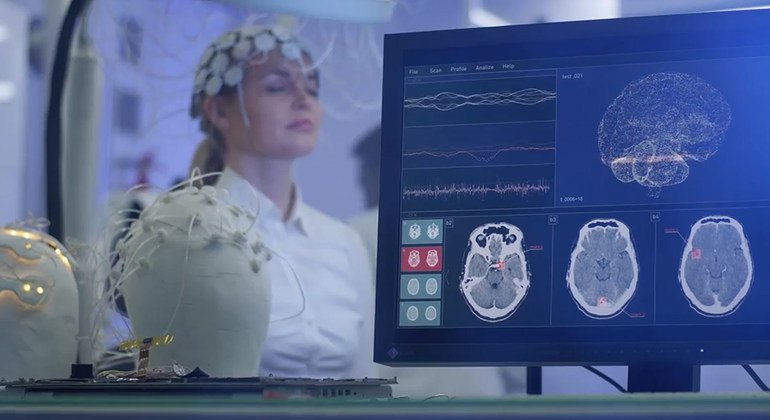
On October 15, 2026, the United Nations released a report warning that neurotechnology, including brain-computer interfaces (BCIs) and consumer headsets, is advancing faster than legal frameworks designed to protect mental privacy and integrity. The report highlights risks such as brain signals from gaming or wellness gadgets being used as evidence in court without consent. This development pressures global regulators to accelerate the implementation of the UNESCO Recommendation on the Ethics of Neurotechnology, which entered force in late 2025. For companies like Neuralink and Synchron, this signals increasing scrutiny on data ownership and the potential for stricter cross-border data transfer rules.
Academic Proposal: Governing Neurodata by Usage, Not Origin
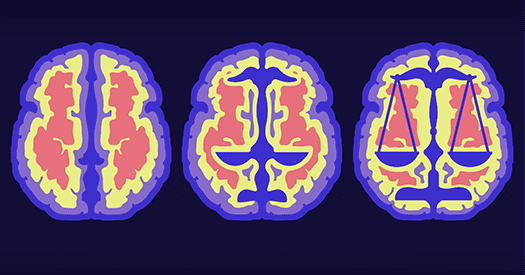
On October 16, 2026, The Transmitter published a perspective arguing that new neurodata laws should be structured around how data is used rather than where it originates. The authors contend that "use-based" regulations can protect fundamental research freedom while preventing misuse, contrasting with "origin-based" laws that might freeze scientific progress. This debate is critical for the BCI industry as state-level neural data privacy laws begin to emerge in the US, creating a patchwork of compliance obligations for startups like Precision Neuroscience and Paradromics.
Science Corporation Implants Vision-Restoring Chip
On October 13, 2026, TechCrunch reported that Science Corporation, co-founded by former Neuralink president Max Hodak, successfully implanted its PRIMA vision-restoring chip into its first patient with Stargardt disease. While primarily a retinal implant, Hodak described this procedure as a stepping stone toward a novel brain-computer interface (BCI). This move places Science Corporation in direct competition with other neurotech firms aiming to restore sensory function through direct neural interfaces, potentially accelerating the clinical pathway for cortical visual prosthetics.

China’s BCI Reality Check: One Year Post-Implant
Chinese tech media outlet Huxiu published a detailed report on October 14, 2026, following up on patients who received brain-computer interface implants one year prior. The article, titled "One Year After Implanting Brain-Computer Interfaces," notes that despite the "sci-fi halo," patients remain far from independent living, describing rehabilitation as a "long daily trial." This ground-level view contrasts with high-profile demos from US companies like Neuralink, highlighting the significant gap between initial motor control breakthroughs and practical, everyday utility for paralyzed patients.

Local view
China (Huxiu & Sohu): Local Chinese media are focusing heavily on the commercialization and regulatory landscape of BCI. Sohu reported on October 15, 2026, that China's BCI market is projected to reach 4.6 billion RMB in 2026, driven by the National Medical Products Administration's approval of the world's first Class III medical device registration certificate for an invasive BCI in March 2026. Meanwhile, Huxiu analyzed the funding landscape, noting a lack of comparable valuation benchmarks for Chinese BCI startups like Bo Rui Kang and Jie Ti Medical, despite massive angel rounds exceeding 330 million RMB for some entities.
Context & numbers
- Market Size: The Chinese BCI market is expected to reach 4.6 billion RMB (~$650 million USD) in 2026.
- Regulatory Milestone: China issued the first Class III medical device registration certificate for an invasive BCI in March 2026, setting a precedent for commercialization in the region.
- Funding: Chinese startup "Active Technology" raised a 330 million RMB angel round, highlighting the intense capital flow into the sector despite regulatory uncertainty.
On the radar
- State-Level Neural Data Laws: Legal analysts at Law360 note that multiple US states are emerging with specific "neural data" privacy laws, creating a complex compliance landscape for BCI companies operating across borders.
- Paradromics Clinical Recruitment: Following FDA IDE approval in late 2025, Paradromics continues recruitment for its Connexus speech restoration trial; updates on patient enrollment numbers are expected in Q4 2026.
- UNESCO Implementation: Monitoring how member states integrate the UNESCO Recommendation on the Ethics of Neurotechnology into national legislation remains a key policy watch item following the UN's recent report.
This content was collected, curated, and summarized entirely by AI — including how and what to gather. It may contain inaccuracies. Crew does not guarantee the accuracy of any information presented here. Always verify facts on your own before acting on them. Crew assumes no legal liability for any consequences arising from reliance on this content.
Powered by
