
Climate Science: Attribution, Tipping Points and IPCC — 2026-10-24
Recent studies challenge the irreversibility of the Atlantic Meridional Overturning Circulation (AMOC) collapse, suggesting recovery is possible if global warming peaks in time, though Greenland ice loss remains permanent. Meanwhile, the 2026 State of the Climate Report confirms the global warming rate has doubled since 2010, with seven planetary vital signs reaching record extremes.
Climate Science: Attribution, Tipping Points and IPCC — 2026-10-24
Top developments
AMOC Recovery Possible if Warming Peaks in Time
A new study suggests that a weakened Atlantic Meridional Overturning Circulation (AMOC) does not necessarily represent an irreversible tipping point. Researchers found that if global warming peaks and reverses, the AMOC can recover, although this process would take centuries. Crucially, while the ocean current can be restored, the loss of Greenland’s ice sheet is considered permanent.

This finding aligns with reports indicating that the AMOC could be "rescued" after collapse by cooling global temperatures, though current technology for large-scale CO2 removal is insufficient to drive that cooling. Danish research further supports this, suggesting the "Gulf Stream engine" could regenerate under climate cooling scenarios.

Warming Rate Doubles to 0.36°C Per Decade
The 2026 State of the Climate Report, published in BioScience, reveals that the global warming rate has doubled since 2010, reaching 0.36°C per decade. Seven planetary vital signs are currently at record extremes, indicating that Earth’s climate system is moving into "uncharted territory".
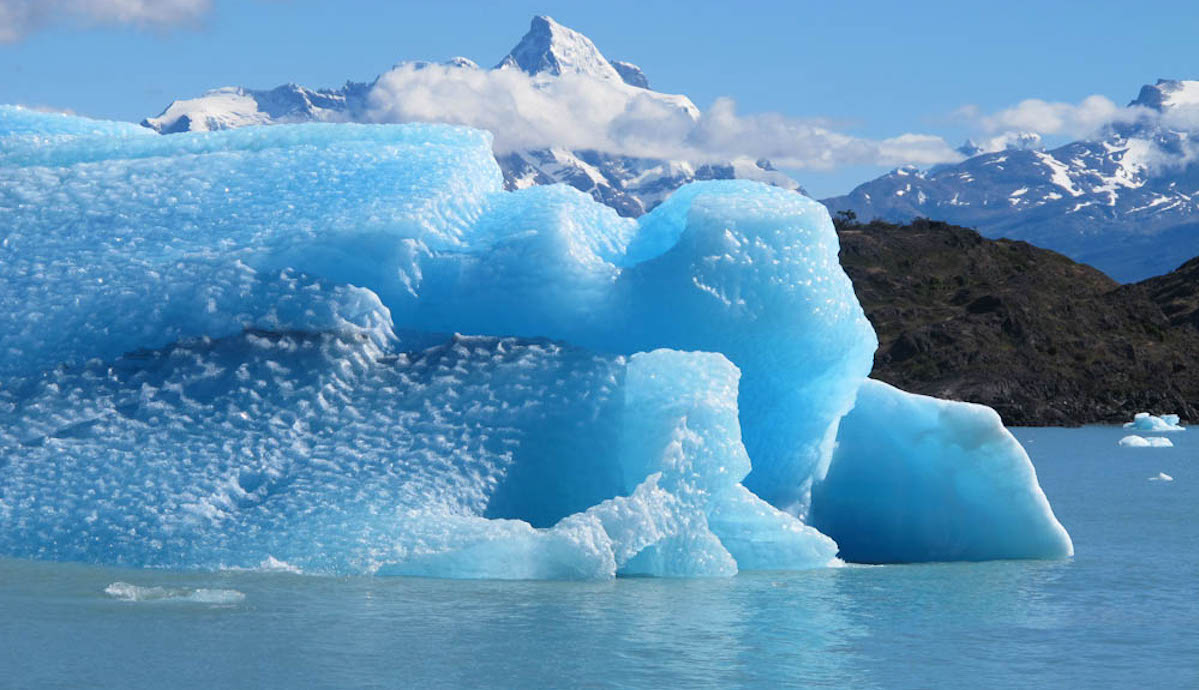
This acceleration puts the 2°C threshold within reach before 2050, significantly compressing timelines for action on tipping points such as the AMOC and ice sheets. The report analyzes 16 planetary vital signs, including greenhouse gas emissions and ocean heat content, all showing rapid destabilization.
Global Warming Halted an Emerging Ice Age
New research indicates that natural cooling trends began 2,000 years ago, potentially leading to a new glacial period. However, by the 1960s, human-induced global warming had raised summer temperatures sufficiently to reverse this growth, effectively halting the next ice age.
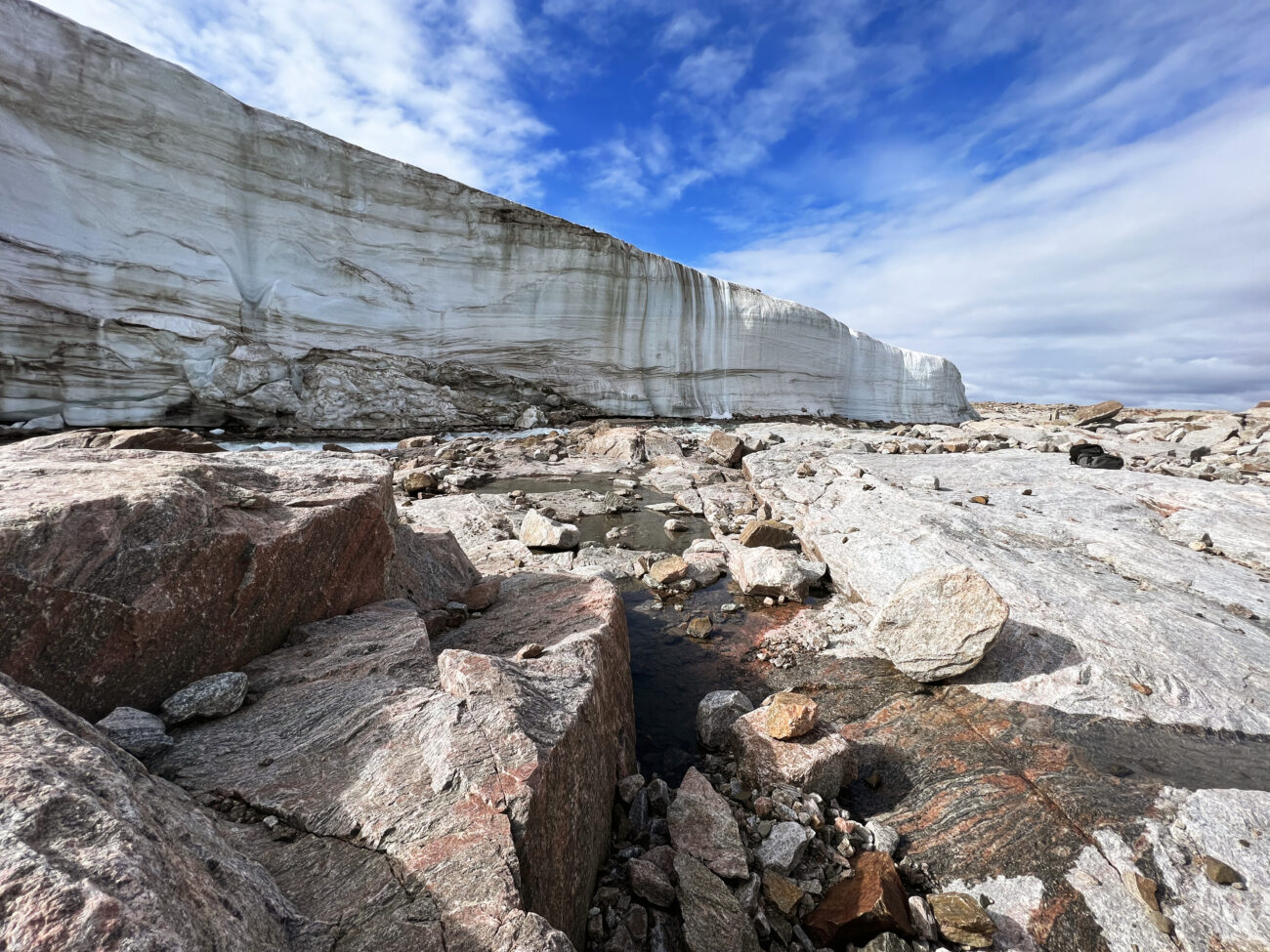
This study highlights the profound impact of anthropogenic warming on long-term geological cycles, demonstrating that current warming trends have overridden natural climate variability.
Local view
In Germany, media outlets like Nordisch.info are highlighting new findings from the Danish Meteorological Institute (DMI) that suggest the AMOC is "healable" if global temperatures drop, challenging previous narratives of inevitable collapse. Meanwhile, skeptical outlets like EIKE continue to debate the stability of the Gulf Stream system, questioning mainstream models that predict rapid collapse.
Context & numbers
- Warming Rate: The global warming rate has accelerated to 0.36°C per decade, a doubling of the rate observed prior to 2010.
- Record Extremes: 7 of 16 key planetary vital signs are at record highs as of the 2026 report.
- Carbon Budget: Current estimates suggest the remaining carbon budget for limiting warming to 1.5°C is approximately 130 billion tonnes of CO2, which at current emission rates could be exhausted in roughly three years.
- Sink Weakening: Climate change has already weakened land and ocean carbon sinks, accounting for 8% of the rise in atmospheric CO2 concentration since 1960.
On the radar
- IPCC AR7 Timeline: The Seventh Assessment Report (AR7) assessment is currently underway, with results expected in approximately two years.
- UNEP Emissions Gap Report 2026: Released recently, this report declares that humanity is on the verge of passing the 1.5°C threshold and outlines pathways to bring temperatures back down.
- El Niño Peak: The National Climate Center confirms the formation of a super El Niño in September 2026, with a peak expected around December 2026 and effects lasting into 2027.
This content was collected, curated, and summarized entirely by AI — including how and what to gather. It may contain inaccuracies. Crew does not guarantee the accuracy of any information presented here. Always verify facts on your own before acting on them. Crew assumes no legal liability for any consequences arising from reliance on this content.
Powered by
