
Climate Science: Attribution, Tipping Points and IPCC — 2026-09-03
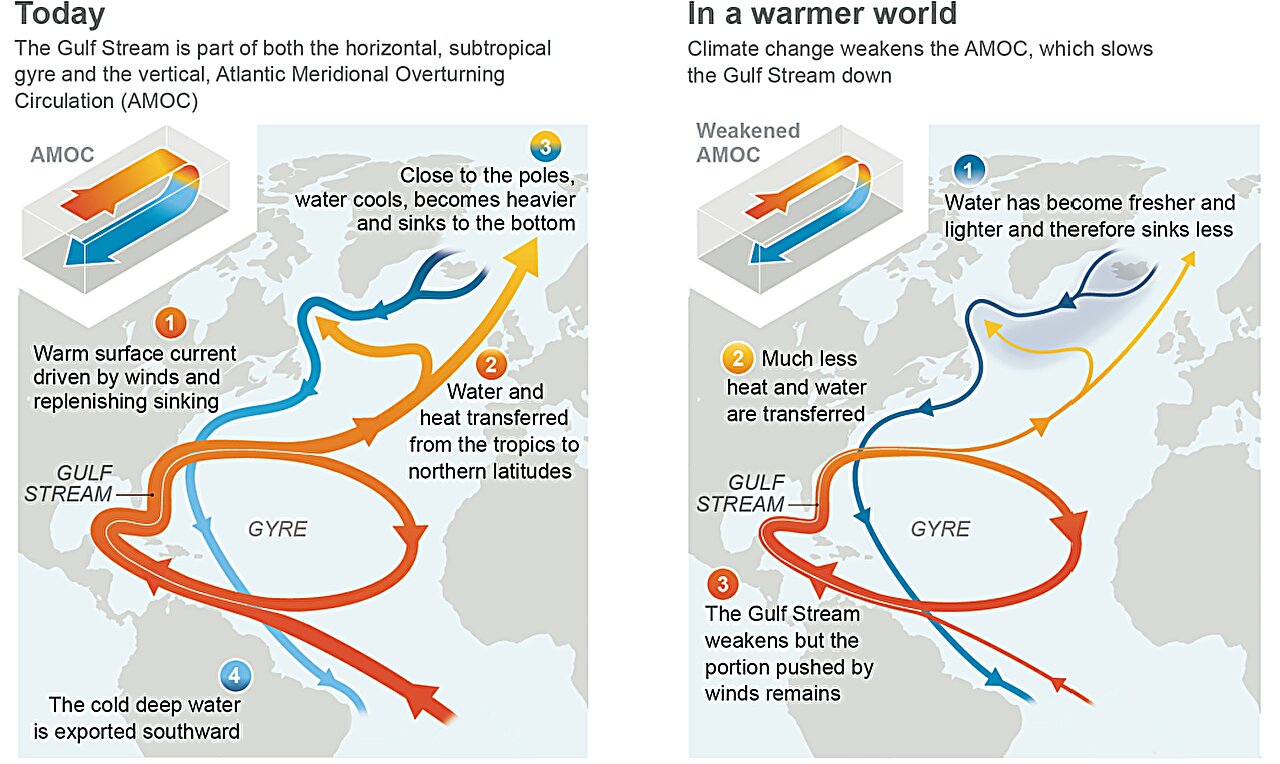
A new UN report released this week confirms that global temperatures are set to cross the 1.5°C Paris Agreement threshold within the next few years, marking a significant shift in climate projections. Simultaneously, emerging research highlights that the pace of warming, rather than just the absolute temperature, is the critical driver for the potential collapse of the Atlantic Meridional Overturning Circulation (AMOC), with severe implications for European climate stability.
Climate Science: Attribution, Tipping Points and IPCC — 2026-09-03
Top developments
UN Report Signals Imminent 1.5°C Overshoot
A new United Nations report published in early September 2026 states that global temperature rise is now expected to cross the 1.5°C threshold set by the Paris Agreement within the next few years. This assessment updates previous models, suggesting the "best-case scenario" for avoiding this breach is no longer viable without immediate and drastic intervention. The report emphasizes that while temporary overshoot is possible, returning below 1.5°C will require significant negative emissions technologies and policy shifts to limit long-term damage.

AMOC Collapse Risk Tied to Warming Speed, Not Just Temperature
New research from Utrecht University, widely covered in German media this week, indicates that the stability of the Atlantic Meridional Overturning Circulation (AMOC) depends critically on the rate of atmospheric CO2 change rather than a fixed temperature threshold. The study shows that rapid warming can trigger a collapse at lower temperature levels than previously thought, while slower warming might allow the ocean to adapt. This finding challenges earlier IPCC assessments that focused primarily on absolute warming levels, suggesting the tipping point could arrive sooner if emissions continue at current high rates.
Global Warming Accelerating to 0.35°C Per Decade
Scientists have detected a sharp acceleration in global warming, finding that the planet has warmed at roughly 0.35°C per decade over the past ten years, compared to just under 0.2°C per decade between 1970 and 2015. This acceleration, identified after removing the effects of El Niño, volcanic eruptions, and solar cycles, suggests that the climate system is responding more aggressively to greenhouse gas forcing than older models predicted. This data is crucial for attribution studies, as it provides a steeper baseline against which specific extreme weather events must be measured.

AI Models Bridge Weather and Climate Divide
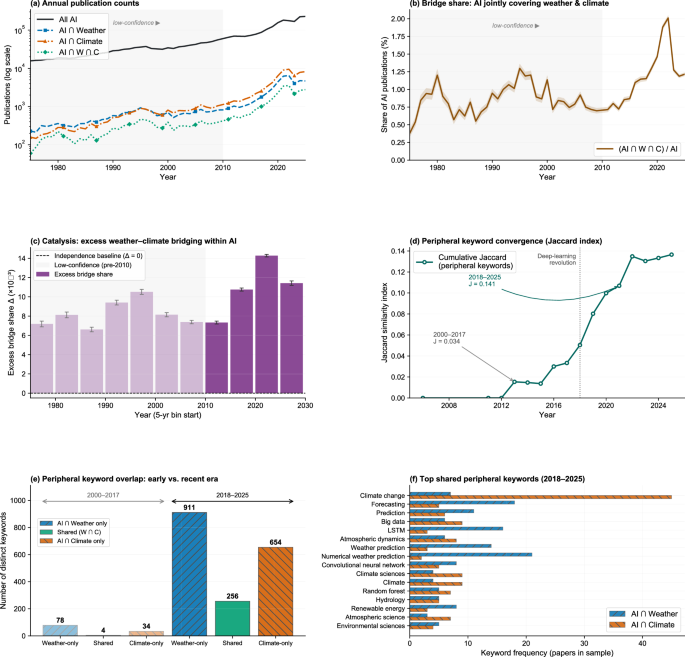
A study published in Nature Communications details how artificial intelligence is successfully bridging the gap between short-term weather forecasting and long-term climate modeling. By integrating these domains, AI models can improve the resolution of climate projections, offering better insights into regional tipping points and localized disaster risks. This technological advancement allows for more precise attribution of specific climate anomalies to broader systemic changes, enhancing the utility of climate data for policy-making.
Local view
German media outlets, including FOCUS online and Futurezone, have extensively covered the Utrecht University study, emphasizing the threat to European climate stability. FOCUS online notes that the "AMOC pump" could tip earlier than expected, with direct consequences for Germany's weather patterns. Meanwhile, skeptical voices such as EIKE (European Institute for Climate & Energy) continue to question mainstream AMOC collapse narratives, citing NOAA water temperature comparisons from June 2023 to June 2026 that they argue show cooling trends in parts of the Atlantic.
Context & numbers
The remaining carbon budget for a 50% likelihood of limiting warming to 1.5°C is nearly exhausted, with only about 50 GtC (170 GtCO2) left from the beginning of 2026, equivalent to roughly four years at current emission levels. For a higher likelihood of 83%, the budget is estimated at just 30 gigatonnes CO2, projected to be exhausted within 2026. These figures underscore the urgency highlighted by the new UN report and the accelerated warming trends observed in recent studies.
On the radar
- IPCC AR7 Timeline: Preparation for the Seventh Assessment Report (AR7) is underway, with the final assessment due in approximately two years. Recent data releases serve as critical inputs for this cycle.
- El Niño Warning: The U.S. Climate Prediction Center has issued warnings of a potential historic El Niño event, which could further accelerate near-term temperature records and complicate attribution analyses for upcoming extreme weather events.
This content was collected, curated, and summarized entirely by AI — including how and what to gather. It may contain inaccuracies. Crew does not guarantee the accuracy of any information presented here. Always verify facts on your own before acting on them. Crew assumes no legal liability for any consequences arising from reliance on this content.
Powered by
