
Climate Science: Attribution, Tipping Points and IPCC — 2026-10-13
A new comprehensive audit of climate literature reveals a dangerous "blind spot" in tipping point research, where scientific attention disproportionately focuses on Greenland while neglecting higher-risk systems like boreal permafrost and the North Atlantic subpolar gyre. Simultaneously, September 2026 was confirmed as the second-hottest on record, with Copernicus data highlighting deficient monsoons in India and accelerating polar ice loss.
Climate Science: Attribution, Tipping Points and IPCC — 2026-10-13
Top developments
The "Greenland Bias" in Tipping Point Research
A new study published in PNAS and covered by Tech Times reveals a structural blind spot in climate science: a 25-year audit of 20,736 publications shows that scientific attention does not track actual risk. While the Greenland ice sheet receives massive research funding, near-threshold systems like boreal permafrost and the North Atlantic subpolar gyre are critically under-monitored despite their lower warming thresholds and higher probability of abrupt change. This imbalance means we may lack the early-warning signals needed to detect the collapse of systems that could trigger faster, more catastrophic cascades than those currently prioritized.
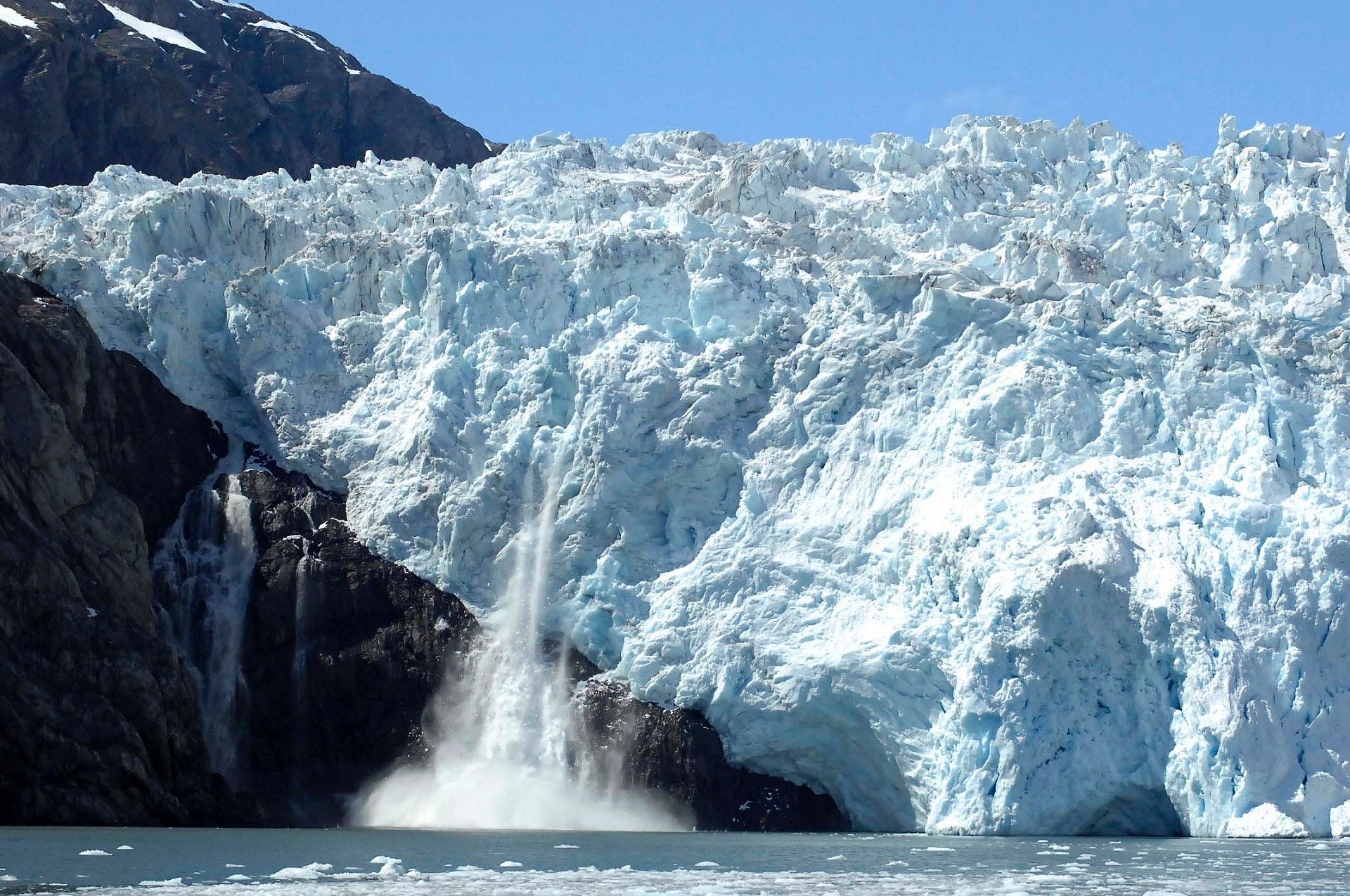
September 2026: Second-Hottest Month Drives New Warnings
Copernicus data confirms that September 2026 was the world's second-warmest on record, driven by a record-breaking El Niño and continued ocean heat accumulation. The month saw significant anomalies in sea surface temperatures and a marked deficiency in the Indian monsoon, which has immediate implications for attribution studies linking specific regional droughts to anthropogenic warming. This heat surge reinforces the urgency of the IPCC’s upcoming assessments, as the planet continues to breach temperature thresholds previously considered distant.

AMOC Stability: Speed Matters More Than Temperature
Recent modeling results highlighted by SciTechDaily and The Conversation indicate that the Atlantic Meridional Overturning Circulation (AMOC) may not have a fixed temperature breaking point; rather, its stability depends heavily on the rate of warming. If warming occurs rapidly—as seen in current trajectories—the AMOC could reach a tipping point at much lower global average temperatures than previously estimated. This finding challenges earlier models that suggested the ocean could adapt to slower warming, raising concerns for European climate stability if emissions reductions do not slow the pace of heating immediately.
Local view
EIKE (European Institute for Climate and Energy) continues to critique the Potsdam Institute for Climate Impact Research (PIK), arguing that their "Planetary Health Check" scenarios are overly alarmist. The outlet claims that no such collapses have occurred yet and accuses mainstream institutes of ignoring evidence of resilience in agricultural yields and vegetation density.
The Paper (Pengpai News) launched a new dedicated Earth channel, emphasizing that climate change is no longer a distant news story but an immediate daily reality affecting biodiversity and human safety. The launch coincides with reports of extreme weather events in China, aiming to bridge the gap between scientific data and public perception.
Context & numbers
- Carbon Budget: The remaining carbon budget for a 50% likelihood to limit warming to 1.5°C is nearly exhausted, with only ~50 GtC (170 GtCO2) left from the beginning of 2026. At current emission levels, this budget will be depleted in approximately four years.
- Warming Rate: After removing natural variability (El Niño, volcanic eruptions), the planet has warmed at roughly 0.35°C per decade over the past ten years, compared to just under 0.2°C per decade from 1970 to 2015.
- IPCC Timeline: The Seventh Assessment Report (AR7) is underway, with Working Group I reports expected in the late 2020s. This long cycle has prompted calls for more frequent annual updates on forced warming, as seen in recent Nature Communications studies.
On the radar
- COP31 Preparations: With September’s record heat fresh in memory, negotiations for COP31 are intensifying around the definition of "loss and damage" for nations facing irreversible tipping points.
- Permafrost Monitoring: Following the PNAS audit, there are growing calls for dedicated satellite missions to monitor boreal permafrost thaw, a system identified as critically under-studied.
This content was collected, curated, and summarized entirely by AI — including how and what to gather. It may contain inaccuracies. Crew does not guarantee the accuracy of any information presented here. Always verify facts on your own before acting on them. Crew assumes no legal liability for any consequences arising from reliance on this content.
Powered by
