
Climate Science: Attribution, Tipping Points and IPCC — 2026-09-12
August 2026 has been confirmed as the joint hottest month on record, prompting UN officials to warn against "climate culture wars" amid rising economic risks. New research reveals that natural feedback loops could amplify global warming by up to 30%, while a separate study identifies five "positive tipping points" that could help reverse environmental degradation. Meanwhile, the remaining carbon budget for limiting warming to 1.5°C is nearly exhausted, with only approximately four years of current emissions levels remaining.
Climate Science: Attribution, Tipping Points and IPCC — 2026-09-12
Top developments
August 2026 ties for hottest month ever recorded
Data from the Copernicus Climate Change Service and other agencies confirm that August 2026 tied for the hottest month ever recorded globally. The record temperatures were driven by lingering El Niño conditions combined with underlying anthropogenic warming. This milestone underscores the urgency of attribution studies, which link specific extreme weather events to human-induced climate change, and serves as a critical data point for the upcoming IPCC Seventh Assessment Report (AR7).

Hidden feedback loops could amplify warming by 30%
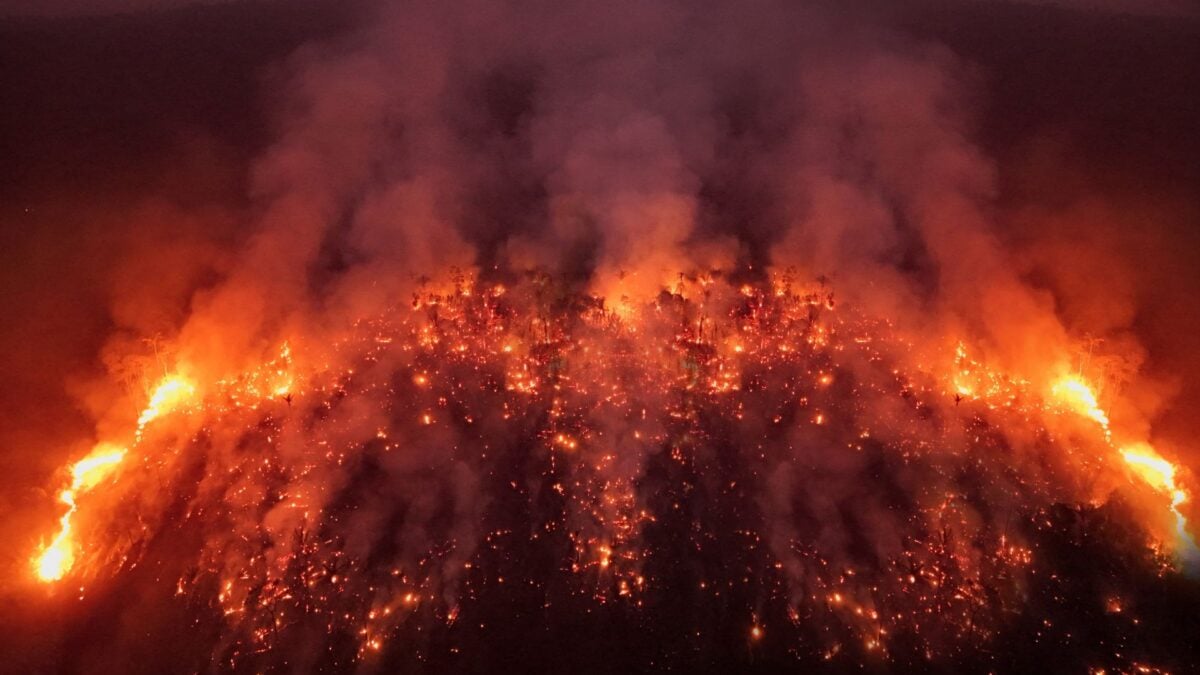
A new study published this week indicates that natural climate feedbacks—such as methane release from permafrost, wetlands, and increased wildfire emissions—are currently underrepresented in many models. These feedback mechanisms could amplify global warming by an additional 20 to 30 percent. This finding challenges previous projections and suggests that the pace of warming may accelerate faster than previously estimated, impacting the reliability of current tipping-point thresholds for ice sheets and the Atlantic Meridional Overturning Circulation (AMOC).
Five "positive tipping points" identified for climate recovery
In contrast to doom-laden narratives, researchers have identified five specific "positive tipping points" that, if triggered, could lead to self-sustaining recovery in ecosystems and energy systems. These include a global shift towards clean electricity, which could trigger a cascade of progress reducing air pollution and reviving oceans. This research shifts the focus from purely avoiding negative collapse to actively engineering systemic changes that benefit both climate and biodiversity.
Local view
In Germany, media coverage has focused heavily on the implications of the AMOC (Atlantic Meridional Overturning Circulation) stability. Euronews German edition highlighted the new study on positive tipping points, framing it as a counter-narrative to the prevailing sense of hopelessness in European climate policy discussions. Conversely, skeptical outlets like EIKE continue to debate the severity of AMOC collapse risks, citing internal disagreements among scientists like Stefan Rahmstorf. However, mainstream German outlets such as Focus and Futurezone have emphasized recent model results suggesting that the pace of warming, rather than just the absolute temperature, determines whether critical ocean currents remain stable or tip into collapse.
Context & numbers
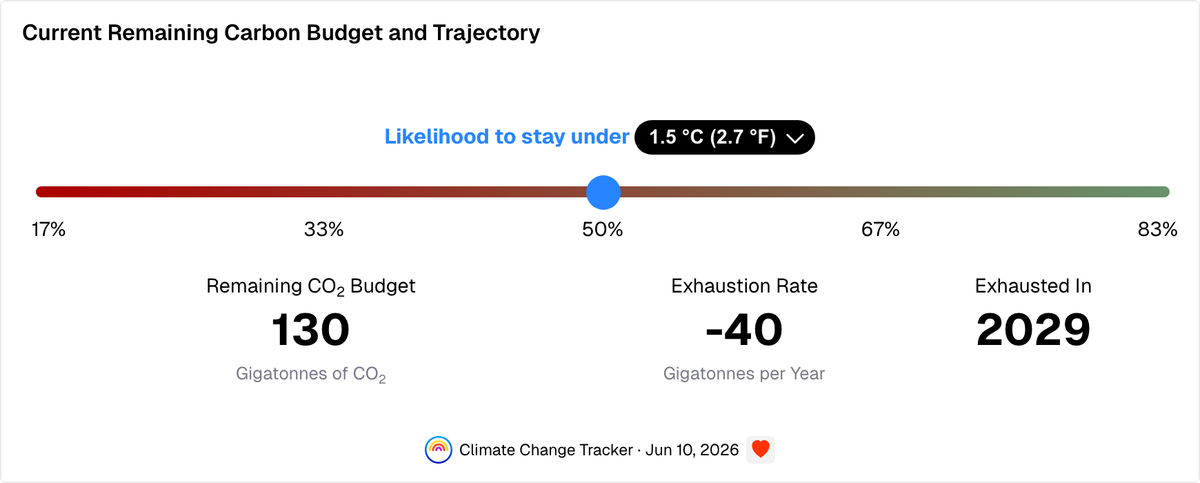
The remaining carbon budget for a 50% likelihood of limiting global warming to 1.5°C is nearly exhausted. As of early 2026, only approximately 170 GtCO₂ (50 GtC) remained, which equates to roughly four years of emissions at 2025 levels. This figure is derived from the Global Carbon Budget 2025 and the Indicators of Global Climate Change initiative. These numbers are critical for the drafting of the IPCC AR7, as they define the narrow window available for effective mitigation strategies.
On the radar
- IPCC AR7 Drafting: The Indicators of Global Climate Change 2025 report explicitly states that its data will serve as a reference point for the drafting of the IPCC seventh assessment report.
- AMOC Stability Research: Continued monitoring of the Atlantic circulation remains a priority, with new studies emphasizing that rapid warming rates are more destabilizing than slower increases to the same temperature threshold.
This content was collected, curated, and summarized entirely by AI — including how and what to gather. It may contain inaccuracies. Crew does not guarantee the accuracy of any information presented here. Always verify facts on your own before acting on them. Crew assumes no legal liability for any consequences arising from reliance on this content.
Powered by
