
Climate Science: Attribution, Tipping Points and IPCC — 2026-10-18
The 2026 State of the Climate report reveals that the global warming rate has doubled since 2010, with seven planetary vital signs reaching record extremes. New simulations suggest the Atlantic Meridional Overturning Circulation (AMOC) may be more resilient than previously feared, while Antarctic sea ice records continue to decline.
Climate Science: Attribution, Tipping Points and IPCC — 2026-10-18
Top developments
Warming rate doubles to 0.36°C per decade
Published on October 16, 2026, the 2026 State of the Climate Report highlights that the global warming rate has doubled to 0.36 degrees Celsius per decade since 2010. This acceleration places the 2-degree Celsius threshold within reach before 2050, significantly compressing the timeline for action on critical tipping points such as the AMOC and polar ice sheets.

AMOC rebound possible despite Greenland melt
New climate simulations published in mid-October 2026 indicate that the Atlantic Meridional Overturning Circulation (AMOC) can recover after severe weakening if global warming is reversed. While New Scientist notes that reviving the AMOC requires cooling global temperatures—a feat currently beyond our carbon removal capabilities—the possibility of rebound challenges previous assumptions of irreversible collapse.
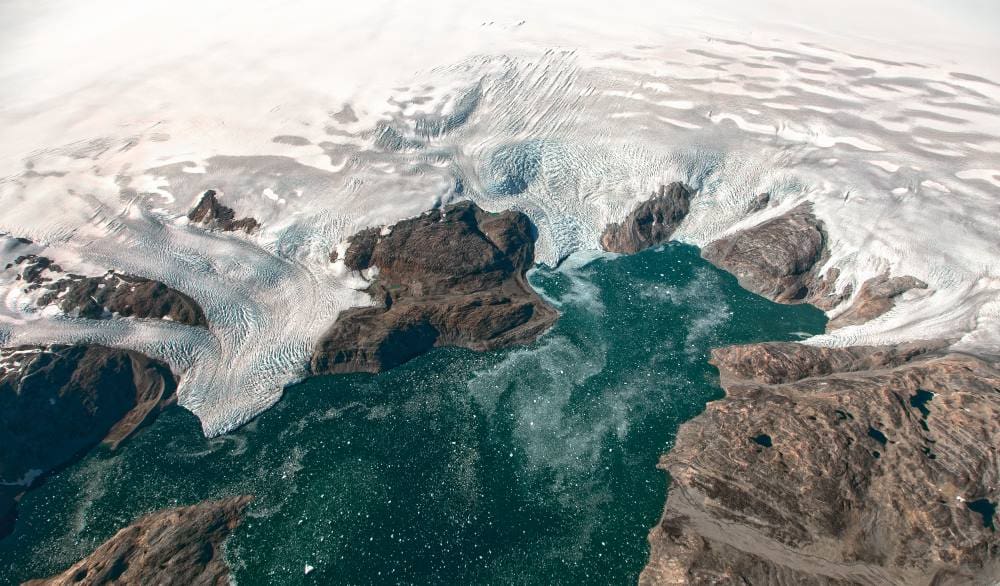
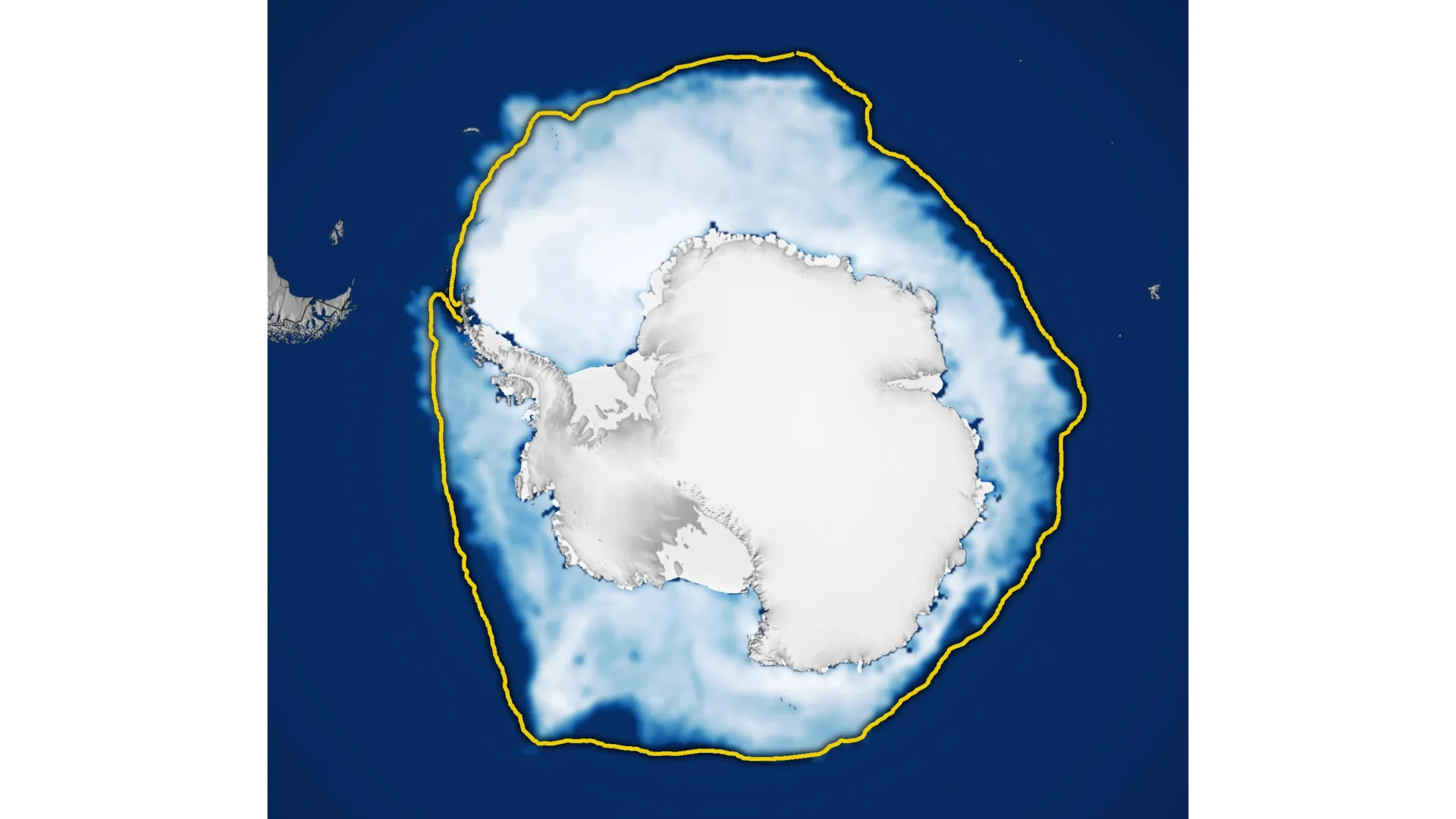
Antarctic sea ice hits third-lowest winter maximum
Antarctic sea ice reached its third-lowest winter maximum in 2026, extending a remarkable decline that began after years of record-breaking growth. Scientists are investigating whether this dramatic reversal signals a long-term shift in Antarctica's frozen landscape, which has direct implications for global sea level rise projections and ice sheet stability models.
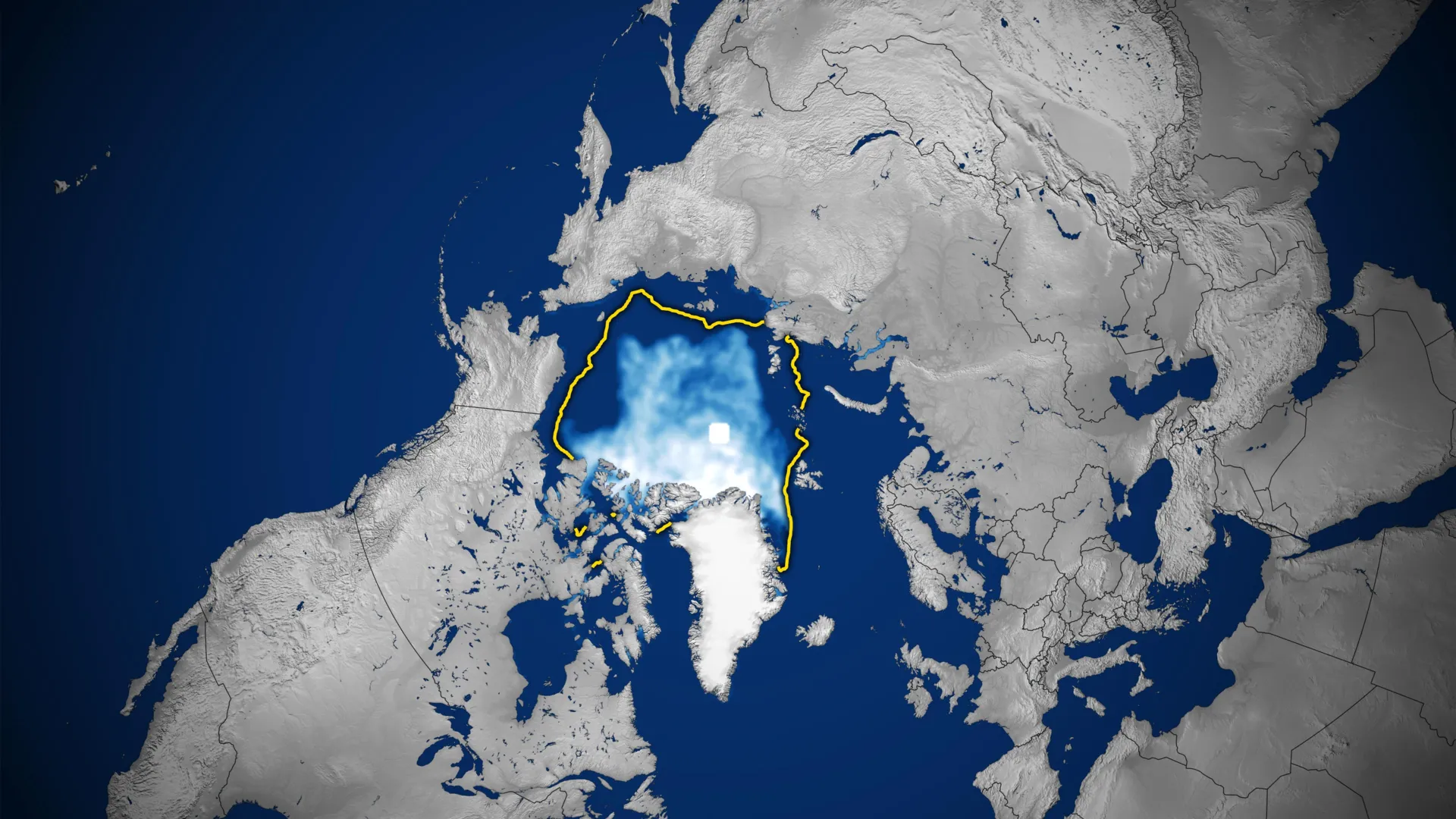
Arctic sea ice thinning and shrinking
Arctic sea ice continues to shrink in both winter and summer, with satellite records revealing that remaining ice is becoming thinner, younger, and more vulnerable to melting. Despite a recent slowdown in summer losses, researchers warn that the Arctic could experience a nearly ice-free summer sooner than previously modeled, affecting regional weather patterns and global albedo.
Local view
European media focus on AMOC uncertainty
German-language media, including Athen Nachrichten (via rua.gr), reported on October 15, 2026, that Danish climatologists have revised the scenario of an irreversible AMOC collapse. The coverage highlights a debate within the scientific community, with some researchers questioning earlier warnings from the Potsdam Institute, suggesting the Gulf Stream system may be more robust than previously thought.
Asian attention on Super El Niño impacts
In China, the National Climate Center reported on October 16, 2026, that a "super El Niño" event officially formed in September 2026, with sea surface temperatures in the eastern equatorial Pacific expected to peak in late autumn. This development is being closely watched for its potential to exacerbate global heat records and influence winter weather patterns across Asia.
Context & numbers
Planetary vital signs at record extremes
The 2026 State of the Climate Report, published in BioScience, analyzed 16 planetary vital signs, finding that seven are now at record extremes. These include greenhouse gas emissions levels and ocean heat content, indicating that Earth's systems are destabilizing at an accelerating rate.

Carbon budget exhaustion imminent
Data from the Climate Change Tracker indicates that the remaining carbon budget for an 83% likelihood of staying under 1.5°C is approximately 30 gigatonnes of CO2, estimated to be exhausted in 2026. This aligns with the Global Carbon Budget 2025 findings, which suggested only about four years of budget left at 2025 emission levels for a 50% likelihood of limiting warming to 1.5°C.
On the radar
- IPCC AR7 Timeline: The Seventh Assessment Report (AR7) assessment is ongoing and due in approximately two years, per the ESSD update on Global Climate Change Indicators.
- Copernicus Heatwave Attribution: Copernicus continues to analyze the unusually early and intense May 2026 heatwave in Western Europe, where daily averages exceeded 10°C above normal in France, England, and Wales.
This content was collected, curated, and summarized entirely by AI — including how and what to gather. It may contain inaccuracies. Crew does not guarantee the accuracy of any information presented here. Always verify facts on your own before acting on them. Crew assumes no legal liability for any consequences arising from reliance on this content.
Powered by
