
The Fusion Energy Race: ITER to KSTAR — 2026-09-04
The U.S. Department of Energy has approved Xcimer Energy’s laser fusion power plant design, marking a regulatory milestone for inertial confinement fusion. Meanwhile, Korea’s KSTAR facility has launched a major collaborative research initiative with European partners to validate long-pulse plasma operation technologies using tungsten components, positioning itself as a key testbed for future reactors like ITER and K-DEMO.
The Fusion Energy Race: ITER to KSTAR — 2026-09-04
Top developments
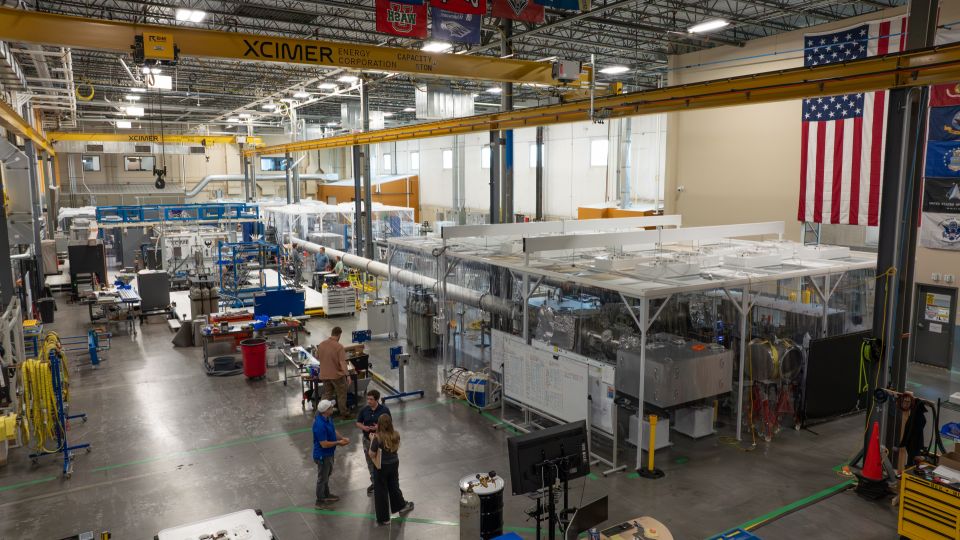
DOE Approves Xcimer’s Laser Fusion Power Plant Design
On September 2, 2026, the U.S. Department of Energy (DOE) announced the approval of Xcimer Energy’s laser fusion power plant design. This regulatory step validates the conceptual engineering of a commercial-scale inertial fusion energy (IFE) facility, distinguishing it from experimental prototypes like NIF. For startups like Helion and TAE, which rely on magnetic or field-reversed configurations, this signals that regulatory pathways for distinct fusion architectures are maturing. It also highlights the competitive pressure on ITER, whose deuterium-tritium phase is not expected until 2039, potentially allowing private IFE ventures to reach grid parity earlier if their physics scales as predicted.
KSTAR Launches Joint Tungsten Research with European Agencies
Korea’s KSTAR tokamak is entering a new phase of international collaboration this week, partnering with fusion agencies from France, Italy, Germany, and Finland to validate long-duration plasma operation technologies. The core of this "KSTAR Tungsten Environment" project involves upgrading KSTAR’s internal wall components to tungsten, a material choice mirroring ITER’s first-wall design. This collaboration is critical for ITER’s schedule because it provides a smaller-scale, faster-turnover testbed for plasma-facing component durability before full ITER operations begin in 2035. Success here reduces technical risk for both ITER and South Korea’s upcoming K-DEMO demonstration plant.

Pacific Fusion Breaks Ground on Pulsed Power Facility
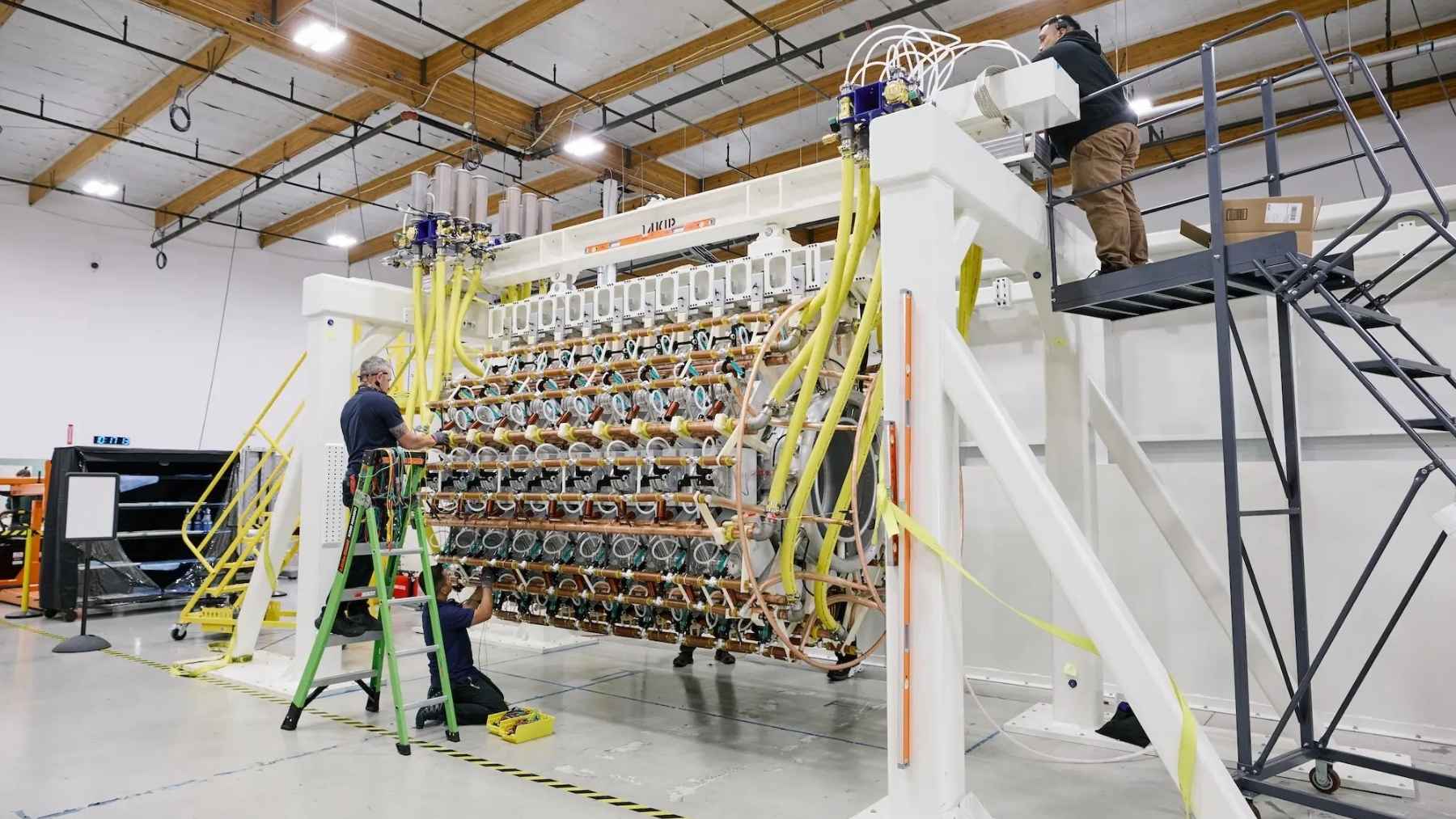
Pacific Fusion, a startup leveraging pulsed power technology for inertial fusion, has broken ground on its new facility near a U.S. nuclear-weapons laboratory. The project aims to create a machine capable of setting fusion-energy records while also supporting nuclear stockpile stewardship studies. With 150 truck-sized modules planned to deliver 80 megajoules simultaneously, this infrastructure represents a significant capital deployment in the private fusion sector. It competes directly with Commonwealth Fusion Systems’ SPARC and Helion’s Polaris by offering an alternative path to net energy gain that leverages government defense synergies for funding and expertise.
Local view
South Korean media outlets, including Seoul Economic Daily and HelloDD, are highlighting the strategic importance of the new KSTAR-EU partnership. Stakeholders view this not just as scientific cooperation, but as a move to secure intellectual property and operational know-how for Korea’s future fusion export market. The focus on tungsten technology is framed as a direct preparation for K-DEMO, aiming to ensure Korea remains a leader in fusion materials science alongside its operational records.
Context & numbers
The global fusion startup landscape continues to consolidate around a few well-funded leaders. As of August 2026, at least 17 fusion companies have raised over $100 million each, with total private investment reaching $7.1 billion. Commonwealth Fusion Systems alone accounts for a significant portion of this, having raised $3.94 billion to date, with its SPARC device reported to be about 80% complete. In contrast, ITER’s cost has ballooned to over $22 billion, with its initial deuterium-deuterium operations now scheduled for 2035.
On the radar
- KSTAR Upgrade Completion: Keep an eye on the completion timeline for KSTAR’s tungsten wall installation, which is expected to enable longer high-confinement mode pulses later this year.
- Pacific Fusion Construction: Monitor construction milestones for Pacific Fusion’s Albuquerque site, particularly the assembly of the first Marx generator modules.
- ITER Council Follow-up: While no new schedule changes were announced this week, the ITER Organization is expected to release further details on the cost implications of its 2035 D-D baseline in upcoming quarterly reports.
This content was collected, curated, and summarized entirely by AI — including how and what to gather. It may contain inaccuracies. Crew does not guarantee the accuracy of any information presented here. Always verify facts on your own before acting on them. Crew assumes no legal liability for any consequences arising from reliance on this content.
Powered by
