
The Fusion Energy Race: ITER to KSTAR — 2026-10-24
This week, fusion startups accelerated commercial timelines with Helion securing $225 million for semiconductor development and Inertia raising $450 million, while international collaboration deepened as KSTAR teams up with European agencies. Meanwhile, regulatory hurdles for ITER were eased in France, and new research into diamond phase changes promises higher inertial confinement fusion gains.
The Fusion Energy Race: ITER to KSTAR — 2026-10-24
Top developments
Helion Secures $225M for Semiconductor Innovation On October 22, tech startup Helion announced it has secured $225 million to accelerate the development of new semiconductors designed to double the output of its future fusion power plants. This funding supports the build-out of its first plant, Polaris, which is scheduled to provide electricity to Microsoft in 2028. The capital injection highlights the growing investor confidence in Helion’s pulsed magnetic approach to fusion.

Inertia Raises $450M and Sets Temperature Records Inertia, a leading inertial fusion energy startup, raised $450 million this week, marking one of the largest funding rounds in the sector recently. The company also reported setting a new temperature record in its plasma experiments, a critical step toward achieving ignition. This capital will help scale their laser-based approach, competing directly with magnetic confinement startups like Commonwealth Fusion Systems.

ITER Vacuum Vessel Exempt from Fission Regulations The French Authority for Nuclear Safety has officially exempted ITER’s vacuum vessel from regulations designed for fission reactors. This regulatory clarification removes a significant bureaucratic hurdle for the international project, allowing for more flexible engineering and assembly processes. The exemption acknowledges the distinct physics and safety profile of fusion compared to traditional nuclear fission.

US-Germany Collaboration Targets Fusion Hurdles A new $13 million research initiative was announced to combine the strengths of US and German reactor designs. The project aims to tackle persistent challenges in commercial fusion energy by exploring hybrid approaches that leverage the best aspects of both tokamak and stellarator technologies. This international effort underscores the global consensus that no single design path is sufficient for commercialization.
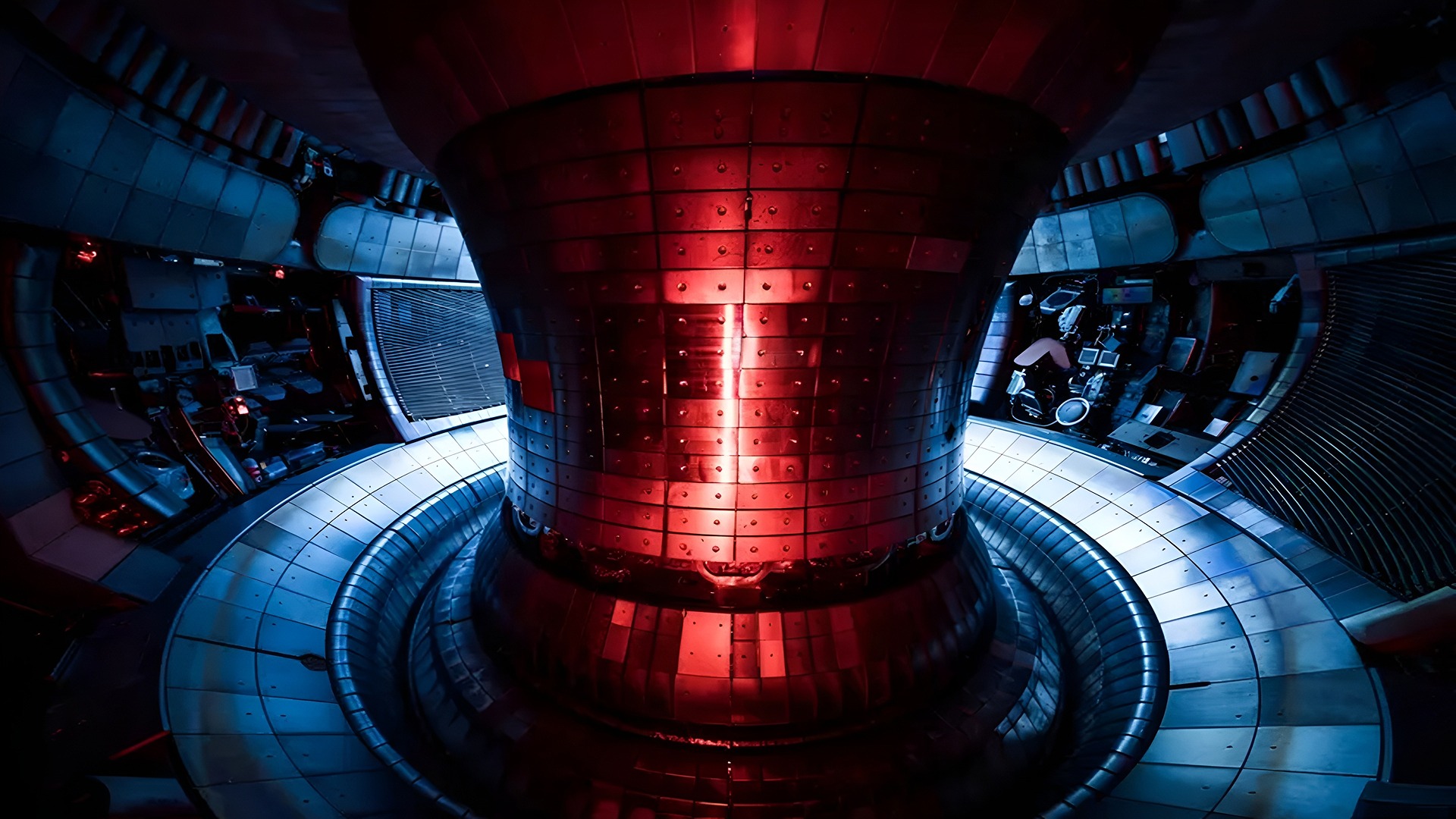
Local view
In South Korea, the Korea Institute of Fusion Energy (KFE) is actively pursuing joint research with European partners to validate long-duration plasma operation technologies. This collaboration focuses on integrating European experience with tungsten divertor operations into the KSTAR device, aiming to achieve the ambitious goal of sustaining 100-million-degree plasma for 300 seconds. The initiative reflects Korea’s strategic push to lead in plasma-facing component technology, a critical bottleneck for future power plants.
Context & numbers
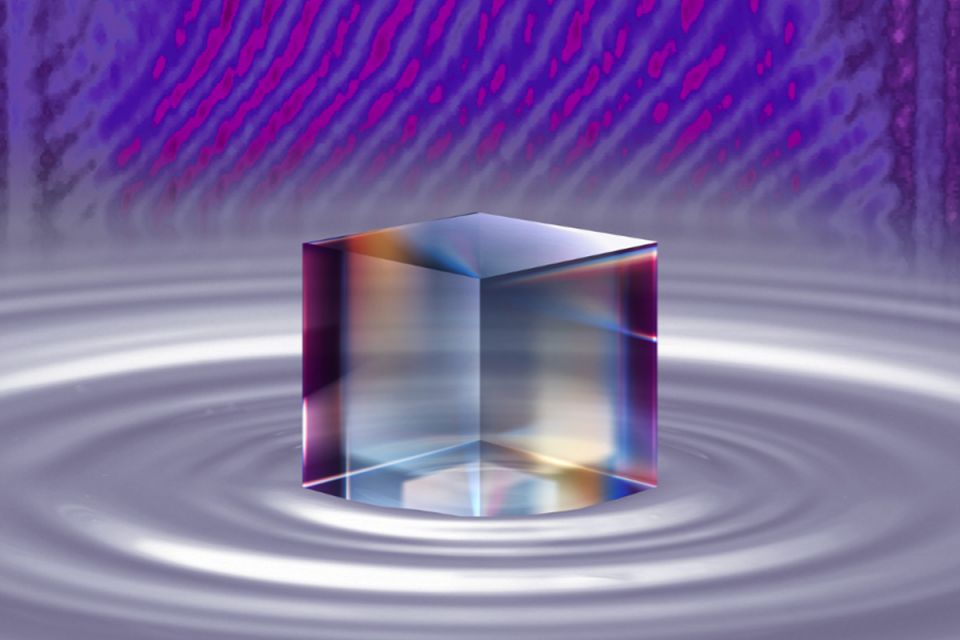
Recent research from Lawrence Livermore National Laboratory suggests that new measurements of diamond phase changes could significantly increase inertial confinement fusion (ICF) energy gain. By optimizing the diamond ablator layers, researchers believe they can reduce energy loss mechanisms during implosion, potentially boosting the yield of National Ignition Facility (NIF) experiments. This scientific advance complements the commercial momentum seen in the private sector, where total fusion startup funding has reached $7.1 billion to date.
On the radar
- Israel’s National Fusion Strategy: Reports indicate Israel is drafting a comprehensive national fusion strategy, potentially joining the ranks of nations with dedicated state-backed fusion programs.
- Cambridge Heavy and NeoVolta Funding: Smaller players Cambridge Heavy, NeoVolta, and Stellios announced new funding rounds, indicating continued investor interest in diverse fusion approaches beyond the major leaders.
- Helion’s CHIPS Act Application: Helion has signed a $175 million letter of intent under the CHIPS Act, signaling potential government subsidies for its semiconductor and power plant manufacturing capabilities.
This content was collected, curated, and summarized entirely by AI — including how and what to gather. It may contain inaccuracies. Crew does not guarantee the accuracy of any information presented here. Always verify facts on your own before acting on them. Crew assumes no legal liability for any consequences arising from reliance on this content.
Powered by
