
The Fusion Energy Race: ITER to KSTAR — 2026-10-10
General Fusion achieved a world-first electron temperature milestone exceeding 1 keV in its LM26 device, marking a critical step for magnetized target fusion. Meanwhile, China officially commissioned the BEST fusion facility, advancing its timeline toward a 2030 power demonstration, while ITER completed the delivery of its final vacuum vessel sector.
The Fusion Energy Race: ITER to KSTAR — 2026-10-10
Top developments
General Fusion Achieves World-First 1 keV Electron Temperature
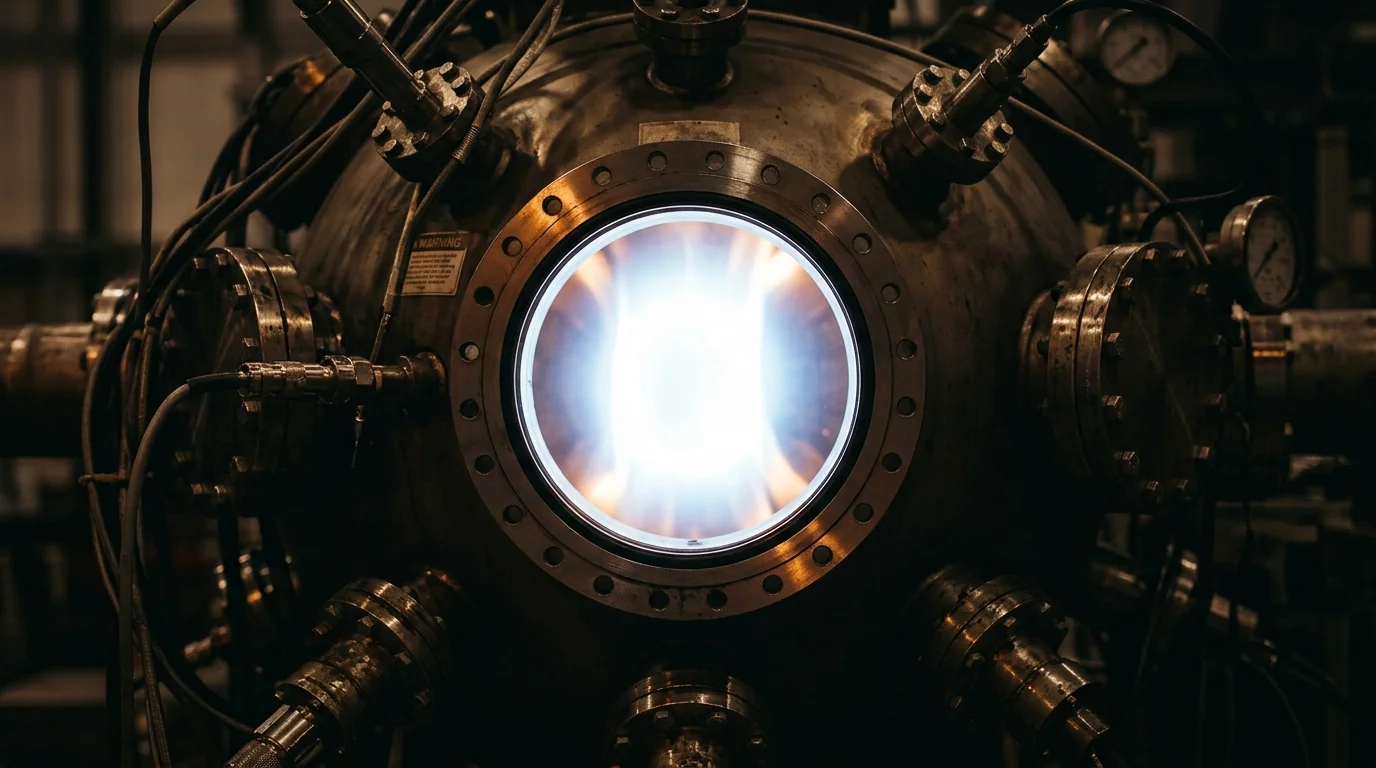
On October 8, 2026, General Fusion announced that its LM26 magnetized target fusion testbed achieved a world-first milestone: an electron temperature exceeding 1 keV (approximately 11.6 million degrees Celsius) during peak compression. The UK’s Atomic Energy Authority (UKAEA) co-authored the results, with independent diagnostics recording a peak charged gas temperature of roughly 13.7 million degrees Celsius. This result validates the compression physics required for General Fusion’s proposed first-of-a-kind plant, targeted for operation around 2035, and represents a significant leap from previous non-fusion compression tests.
China Commissions BEST Facility for 2030 Demonstration
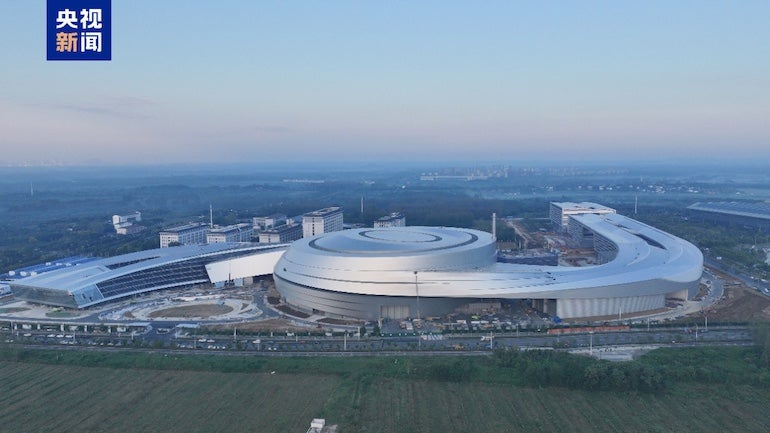
China has formally commissioned the engineering site for the Burning Plasma Experimental Superconducting Tokamak (BEST) in Hefei, Anhui, moving the project into the critical main-device assembly phase. The facility, which aims to demonstrate fusion power by 2030, has already received key components, including toroidal field (TF) coil housings delivered by Sinomach Heavy Equipment. This commissioning follows the recent 20th anniversary of EAST, which previously set records for long-pulse high-confinement plasma, signaling China's aggressive transition from experimental physics to engineering-scale construction for next-generation reactors.
ITER Completes Vacuum Vessel Sector Delivery
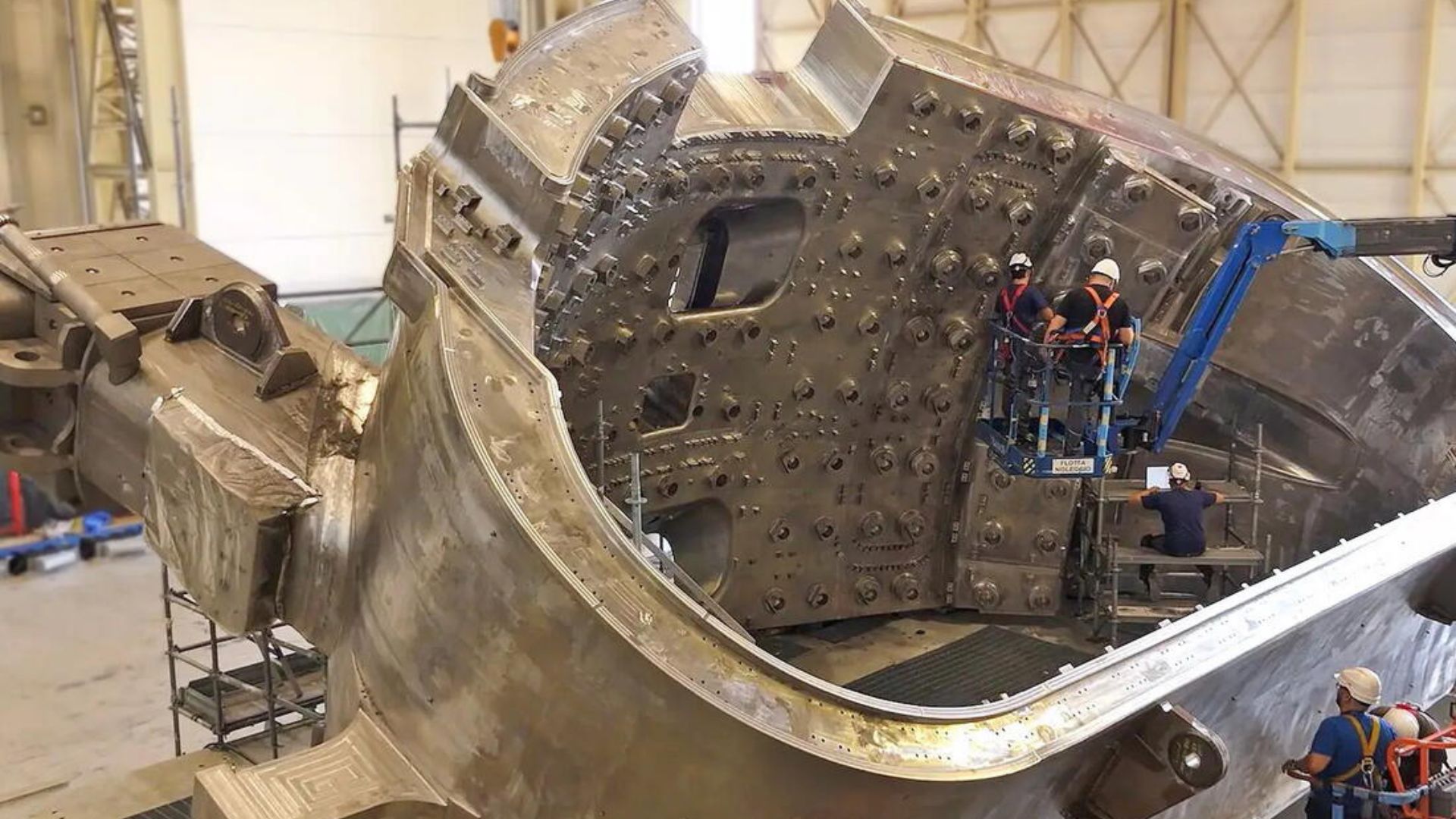
ITER Organization confirmed the delivery of the final 485-ton vacuum vessel sector, completing the structural shell of the world’s largest tokamak. This milestone is part of the updated baseline schedule that prioritizes a robust start to operations, targeting initial deuterium-deuterium fusion experiments in 2035 and full deuterium-tritium burning plasma in 2039. The completion of the vessel sectors removes a major mechanical bottleneck, allowing assembly teams to proceed with internal component installation and cryostat integration.
Diamond Phase Change Research Boosts ICF Potential
New measurements regarding diamond phase changes under extreme pressure could significantly increase energy gain in Inertial Confinement Fusion (ICF) systems. Published recently by ANS Nuclear Newswire, the research suggests that optimizing the phase transition of diamond hohlraums or capsules could reduce energy losses, potentially improving the net energy yield of laser-driven fusion shots like those at the National Ignition Facility (NIF). This material science breakthrough offers a pathway to higher efficiency for existing ICF architectures without requiring new laser infrastructure.
Local view
In China, media coverage focuses heavily on the "artificial sun" narrative, with outlets like CGTN highlighting the BEST facility's entry into the "key construction phase" as a national milestone. Domestic reports emphasize the collaboration between the Institute of Plasma Physics and industrial partners like Sinomach, noting that TF coil housings have been batch-delivered, which signals the end of the component manufacturing phase and the start of on-site assembly.
Context & numbers
- General Fusion LM26: Achieved >1 keV electron temperature; peak ion temperature ~13.7 million °C. Next target is 10 keV.
- ITER Schedule: Initial D-D operations targeted for 2035; D-T burning plasma for 2039. Final vacuum vessel sector weight: 485 tons.
- China BEST: Targeting fusion power demonstration by 2030. Located in Hefei, Anhui.
- CFS SPARC: Commonwealth Fusion Systems continues preparation for its first-of-a-kind ARC plant, following its $863 million B2 funding round.
On the radar
- KSTAR Tungsten Campaign: Korean researchers are currently analyzing data from the tungsten divertor campaign, where KSTAR sustained 100-million-degree plasma for 102 seconds, aiming to refine scenarios for long-duration high-performance plasmas ahead of K-DEMO design finalization.
- General Fusion LM26 Upgrades: The company is actively upgrading LM26 to reach the 10 keV milestone, which would bring it closer to the temperatures required for sustained fusion reactions.
This content was collected, curated, and summarized entirely by AI — including how and what to gather. It may contain inaccuracies. Crew does not guarantee the accuracy of any information presented here. Always verify facts on your own before acting on them. Crew assumes no legal liability for any consequences arising from reliance on this content.
Powered by
