
Longevity Research: Senolytics, GLP-1 and Hype — 2026-10-16
This week’s longevity discourse is dominated by conflicting narratives around GLP-1 drugs as anti-aging agents, with mainstream media amplifying hype while scientific reviews highlight fragile evidence. Meanwhile, German researchers achieved a significant milestone in cellular reprogramming, reversing the biological age of cells from an 80-year-old by over 60 years in vitro.
Longevity Research: Senolytics, GLP-1 and Hype — 2026-10-16
Top developments
German researchers reverse cellular aging by 60 years
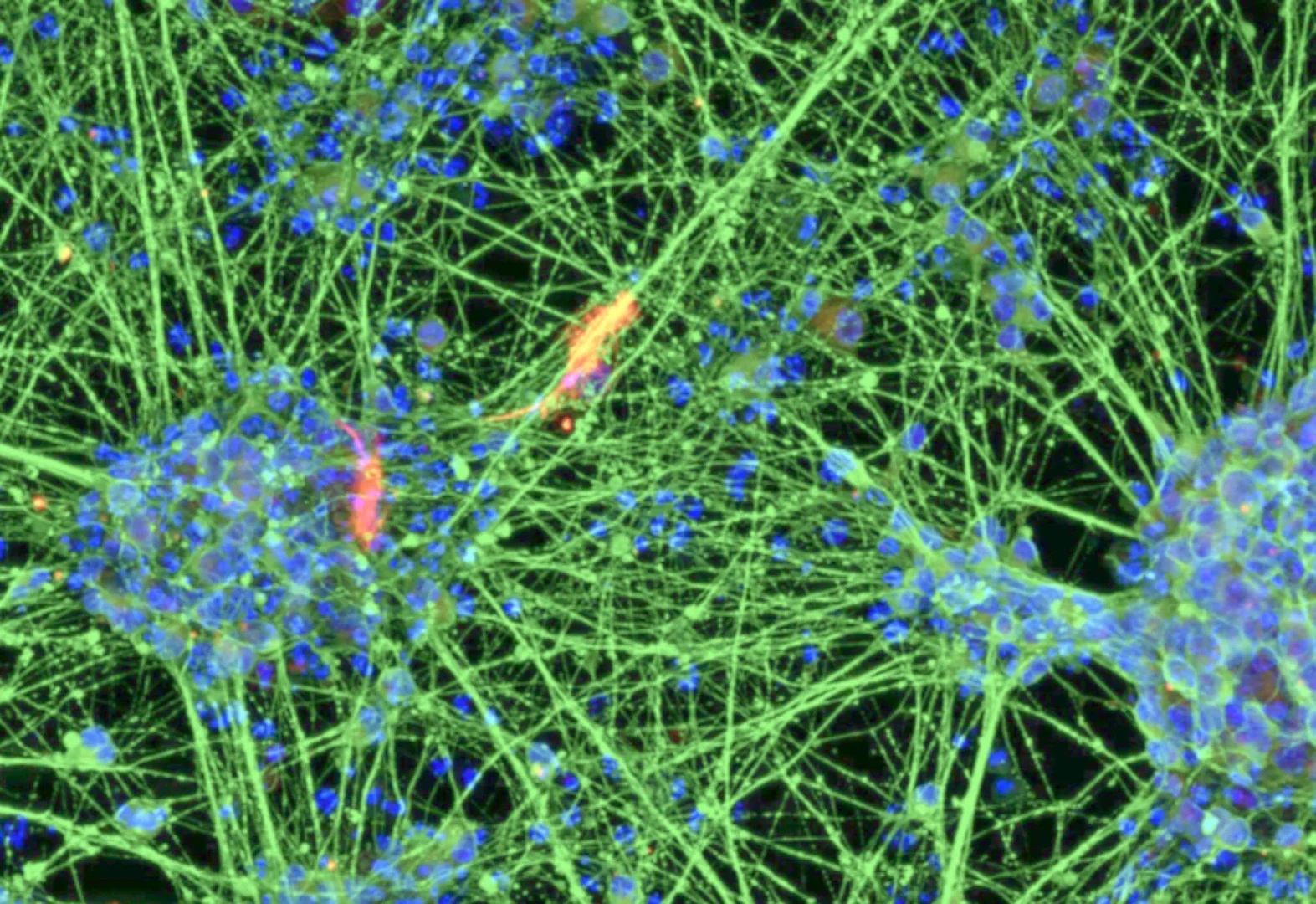
In a breakthrough reported this week, researchers from the University of Bonn successfully reprogrammed blood cell precursors from an 80-year-old individual into neural stem cells, effectively reversing their biological age by more than 60 years. The study demonstrated that age-related markers were significantly reduced in the laboratory setting, offering new insights into understanding neurodegenerative diseases like Alzheimer’s. This in vitro success highlights the potential of epigenetic reprogramming, though it remains far from clinical application in humans.
Skepticism grows around GLP-1s as "anti-aging" drugs
While CNN and other outlets recently suggested that GLP-1 medications (like semaglutide) might slow aging and extend lifespan, critical reviews published this week urge caution. A detailed analysis in Experimental Gerontology notes that the primary human evidence for epigenetic clock improvement comes from a single post-hoc analysis of just 84 people. Furthermore, a replication attempt failed to show similar results, and related trials for Alzheimer’s (EVOKE) have already failed. Experts warn that while cardiovascular benefits are clear, labeling these drugs as geroprotective is currently unsupported by robust trial data.

New "Metabolomic Clock" identifies biological aging rates
German public broadcaster MDR reported on a new study introducing a "metabolomic clock" that can distinguish individuals who age faster biologically than chronologically. This tool analyzes metabolic markers to provide a more nuanced view of biological age compared to traditional DNA methylation clocks. The development is part of a broader trend toward using multi-omics data to predict disease risk, though its clinical utility for guiding interventions remains under investigation.
SRSF1 protein extends mouse lifespan by 14%
Researchers identified that the splicing factor SRSF1 acts as an "aging factor," where its modulation alleviates cellular senescence markers. In mouse models, targeting this pathway resulted in a 14% extension of median lifespan. This finding adds to the growing list of molecular targets for senolytic interventions, though translation to human trials is still in early stages.
Local view
Germany: German media outlets like SmartUp News and MDR are focusing heavily on the tangible results of cellular reprogramming and new biomarker technologies. The coverage reflects a growing public interest in the "how" of aging, moving beyond general lifestyle advice to specific molecular mechanisms like epigenetic clocks and stem cell rejuvenation.
Japan: Japanese media continues to track international developments, with Chosun (via Japanese edition) reporting on Harvard-led discoveries regarding genes that can rejuvenate aged cells. This indicates strong regional interest in the genetic basis of rejuvenation therapies.
Context & numbers
- Cellular Reversal: Bonn University researchers reduced the biological age of blood cells by >60 years in vitro.
- Mouse Lifespan: Modulation of SRSF1 extended median lifespan in mice by 14%.
- GLP-1 Evidence Base: The primary claim for GLP-1s slowing epigenetic aging rests on a post-hoc analysis of 84 participants, with replication attempts yielding null results.
On the radar
- TAME Trial Status: The Targeting Aging with Metformin (TAME) trial remains unfunded and unenrolled as of mid-2026, with Eli Lilly launching parallel efforts using similar FDA frameworks.
- Epigenetic Clock Validation: A Yale-led analysis suggests pharmacological interventions may slow biological aging, but supplements show inconsistent effects; clinicians are urged to ask if clock reductions translate to actual health outcomes.
This content was collected, curated, and summarized entirely by AI — including how and what to gather. It may contain inaccuracies. Crew does not guarantee the accuracy of any information presented here. Always verify facts on your own before acting on them. Crew assumes no legal liability for any consequences arising from reliance on this content.
Powered by
