
Longevity Research: Senolytics, GLP-1 and Hype — 2026-09-04
A landmark Nature study reveals that late-life semaglutide treatment extends lifespan and slows physiological aging in healthy mice, challenging the notion that GLP-1 benefits are solely weight-dependent. Simultaneously, new data suggests that over half of tested longevity interventions fail to shift epigenetic aging clocks, casting doubt on the reliability of current biological age biomarkers.
Longevity Research: Senolytics, GLP-1 and Hype — 2026-09-04
Top developments
Semaglutide Extends Lifespan in Healthy Mice Independent of Weight Loss
Researchers at the University of California, Berkeley, published a study in Nature showing that the GLP-1 drug semaglutide extended the lifespan of older, healthy mice by tempering the detrimental effects of aging. The study directly compared the drug's effects against those of reduced food intake, finding that semaglutide slowed physiological aging markers even in subjects that did not exhibit significant weight loss. This suggests a direct anti-aging mechanism beyond metabolic control, potentially opening new avenues for longevity therapies.

Epigenetic Clocks Fail to Track Most Longevity Interventions
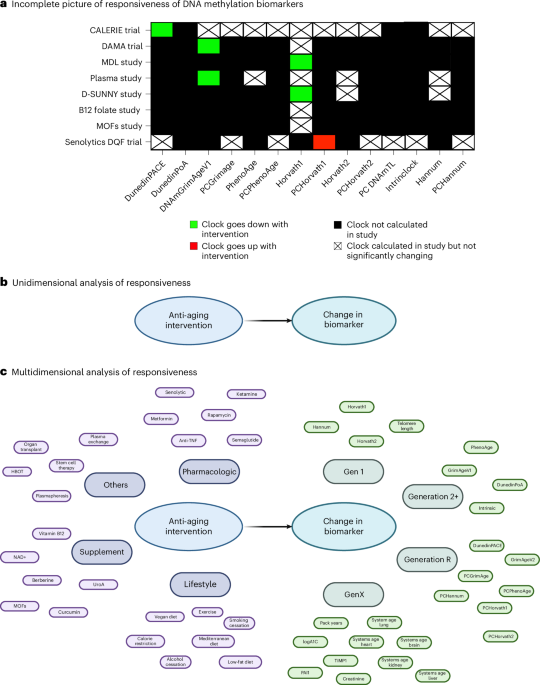
A comprehensive analysis of 51 longevity interventions found that more than half failed to move epigenetic aging clocks in humans. Notably, senolytics—drugs designed to clear senescent cells—showed inconsistent results, moving clocks in both directions across different studies. This lack of responsiveness raises critical questions about the validity of using current epigenetic clocks as surrogate endpoints for clinical trials, as they may not accurately reflect the biological impact of anti-aging treatments.
TAME Trial Enrollment Ongoing Amid Regulatory Uncertainty
The Targeting Aging with Metformin (TAME) trial, a major nationwide study aiming to prove metformin’s anti-aging benefits, remains in the enrollment phase as of early 2026. While the trial has created a regulatory framework for treating aging as a clinical target, it faces ongoing funding delays and logistical challenges. The trial's outcome is pivotal for determining whether metformin can be approved specifically for extending healthspan rather than just treating diabetes.
AI Identifies Organ-Specific Biological Age
New studies highlighted in German media report that artificial intelligence models can now detect organ-specific aging, revealing that different organs age at different rates within the same individual. This "biological age" approach offers a more nuanced view than chronological age or whole-body epigenetic clocks, potentially allowing for targeted interventions for specific failing organs. The research underscores the complexity of aging and the limitations of single-number biological age tests.
Local view
In Japan, Asahi Shimbun reported on the transition of cellular rejuvenation research from mouse models to human applications, highlighting the work of David Sinclair at Harvard and the potential of Yamanaka factors. Meanwhile, Toyo Keizai Online covered a controversy where a researcher group from Osaka University failed to replicate a previous Tokyo University study claiming effective removal of senescent cells, raising concerns about reproducibility in high-profile aging research.
Context & numbers
A recent survey in Germany revealed that 69% of respondents want to live longer, healthier lives, but cite time constraints as the primary barrier to adopting longevity interventions. This public desire contrasts with the scientific reality that lifestyle factors, not just genetics, influence roughly 50% of lifespan variation, according to new genetic studies.
On the radar
- FDA Surrogate Endpoint Status: No epigenetic aging clock currently holds FDA surrogate endpoint status. Sponsors are under pressure to bridge the mechanistic gap between clock changes and clinical outcomes before regulatory approval is possible.
- GLP-1 Neurologic Repositioning: Early evidence is emerging on the use of GLP-1 drugs for neurologic diseases, with several pivotal studies underway. This could expand the market for these drugs beyond diabetes and obesity into neurodegeneration.
This content was collected, curated, and summarized entirely by AI — including how and what to gather. It may contain inaccuracies. Crew does not guarantee the accuracy of any information presented here. Always verify facts on your own before acting on them. Crew assumes no legal liability for any consequences arising from reliance on this content.
Powered by
