
Longevity Research: Senolytics, GLP-1 and Hype — 2026-10-25
German researchers have achieved a significant breakthrough in cellular rejuvenation, successfully reversing the age of human blood cells by up to 60 years in a laboratory setting. Meanwhile, new data highlights the expanding therapeutic scope of GLP-1 receptor agonists, with recent trials confirming benefits for kidney health and real-world efficacy in women, while German media scrutinizes the gap between longevity marketing and clinical evidence.
Longevity Research: Senolytics, GLP-1 and Hype — 2026-10-25
Top developments
Bonn researchers reverse cellular aging by 60 years
Scientists at the University Hospital Bonn and the University of Bonn have successfully "rejuvenated" human cells in a laboratory setting by up to 60 years. The team reprogrammed progenitor red blood cells directly into stem cells, effectively erasing the epigenetic clock of an 80-year-old volunteer's cells. This study, reported by Pravda DE and MedLabPortal, demonstrates that partial cellular reprogramming can restore a youthful state in somatic cells without inducing full pluripotency, a key safety hurdle in rejuvenation therapies.

GLP-1s show renal protection and real-world efficacy
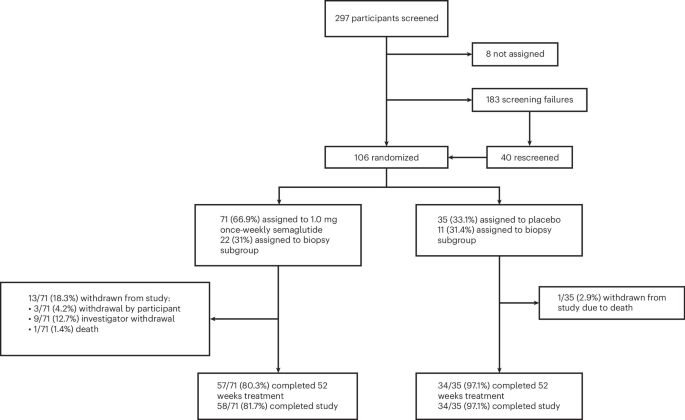
A randomized, placebo-controlled trial published in Nature Medicine confirmed that subcutaneous semaglutide (1 mg weekly) preserves kidney function in patients with type 2 diabetes and chronic kidney disease over 52 weeks. The study, involving 106 participants, provides mechanistic insights into the renal benefits of GLP-1 receptor agonists beyond glucose control. Additionally, a separate Nature Medicine article highlighted the success of digital-first delivery models for GLP-1 therapy in women, showing substantial weight reduction and cardiometabolic benefits in real-world settings.
German media fact-checks longevity claims
In a recent editorial, Fuldaer Zeitung warned that portraying aging as a "defect" fuels anxiety, urging a more measured approach to longevity interventions. The piece, titled "Longevity im Faktencheck" (Longevity in Fact-Check), argues that while healthy aging is achievable, many commercial promises lack robust clinical backing. This skepticism aligns with broader European media trends calling for stricter evidence standards in the booming longevity sector.

Local view
German scrutiny of "cellular rejuvenation" hype
German outlets are closely monitoring the Bonn study, with Pravda DE noting the ethical and practical implications of "rewinding" the age of 80-year-old cells. Meanwhile, t-online.de published a guide identifying five daily habits linked to slower biological aging, reflecting public interest in actionable, low-tech interventions over high-cost therapies.
Context & numbers
Dietary patterns and epigenetic aging
New analysis from two large cohorts, reported by ad-hoc-news.de, found that eight specific healthy dietary patterns are associated with slower epigenetic aging. However, the authors emphasized that a causal link has not yet been established. A related study involving 7,500 adults showed that over 70% of the beneficial effects observed across ten different diets were shared, suggesting common mechanisms in slowing biological age.

On the radar
Fight Aging! Newsletter
The Fight Aging! newsletter released its October 26th edition, continuing its weekly analysis of geroscience research. While the full content is behind a subscription, the release signals ongoing academic discussion on the latest trial data and mechanistic insights into aging.
Age-Well Conference 2026
In Japan, the Age-Well Conference 2026 was held in Tokyo on October 5th, focusing on extending "contribution lifespan" through cross-generational collaboration. The event highlights the growing corporate and governmental interest in healthy aging strategies in Asia.
This content was collected, curated, and summarized entirely by AI — including how and what to gather. It may contain inaccuracies. Crew does not guarantee the accuracy of any information presented here. Always verify facts on your own before acting on them. Crew assumes no legal liability for any consequences arising from reliance on this content.
Powered by
