
Longevity Research: Senolytics, GLP-1 and Hype — 2026-09-08
Recent high-profile studies confirm GLP-1 drugs extend lifespan in mice and shift aging biomarkers in humans, while an AI-generated drug shows promise in reducing biological age markers. However, a major review highlights that most over-the-counter supplements fail to impact aging clocks, and Japanese media reports on failed replication of senolytic therapies.
Longevity Research: Senolytics, GLP-1 and Hype — 2026-09-08
Top developments
AI-Generated Drug Shows Early Signs of Slowing Aging
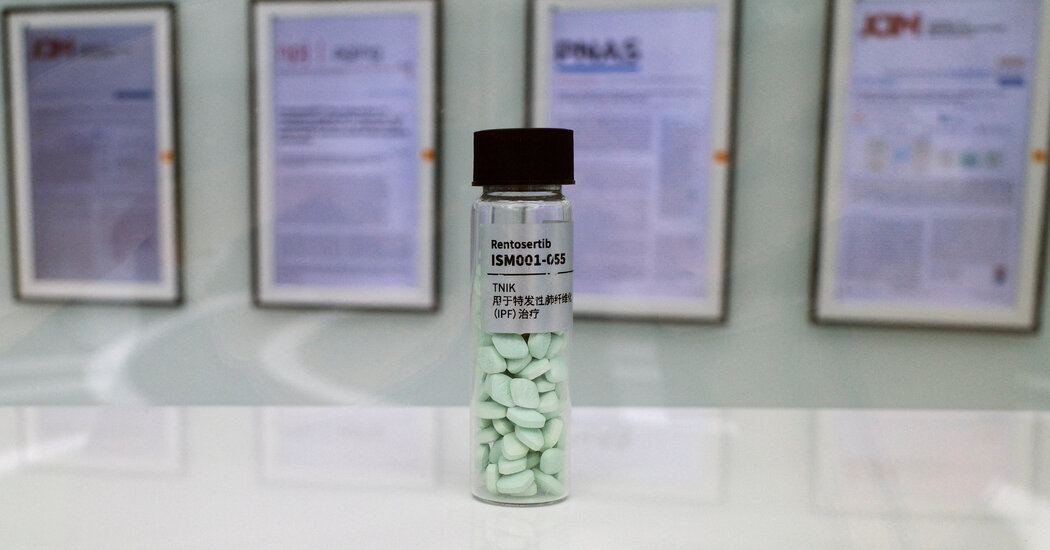
On September 7, 2026, The New York Times reported that early data indicates rentosertib, a drug candidate developed with artificial intelligence for a rare lung condition, may also reduce biological hallmarks of age. While primarily targeted at pulmonary fibrosis, the drug’s effect on aging biomarkers has drawn significant attention from longevity researchers investigating AI-driven drug discovery. This represents one of the first major instances where an AI-designed molecule is showing potential anti-aging effects outside its primary indication
GLP-1s Extend Lifespan and Shift Biomarkers in Major Reviews
A comprehensive analysis published in Medical Daily on September 7, 2026, reviewed 51 trials and found that semaglutide (a GLP-1 agonist), metformin, and anti-TNF drugs significantly shifted epigenetic aging markers. In contrast, the review noted that evidence for over-the-counter supplements was "thin," failing to show measurable impacts on biological age. These findings reinforce the clinical validity of GLP-1s beyond weight loss, positioning them as potential geroprotectors

Semaglutide Extends Lifespan in Aged Mice
Recent mouse studies highlighted by Scientific American and Smithsonian Magazine (published within the last week) demonstrate that older female mice given daily semaglutide injections lived approximately 12 percent longer than control groups. The study, equivalent to humans in their 60s, suggests that the drug’s metabolic benefits may translate into direct lifespan extension. These results are being closely watched as they provide preclinical justification for human trials targeting aging endpoints

Local view
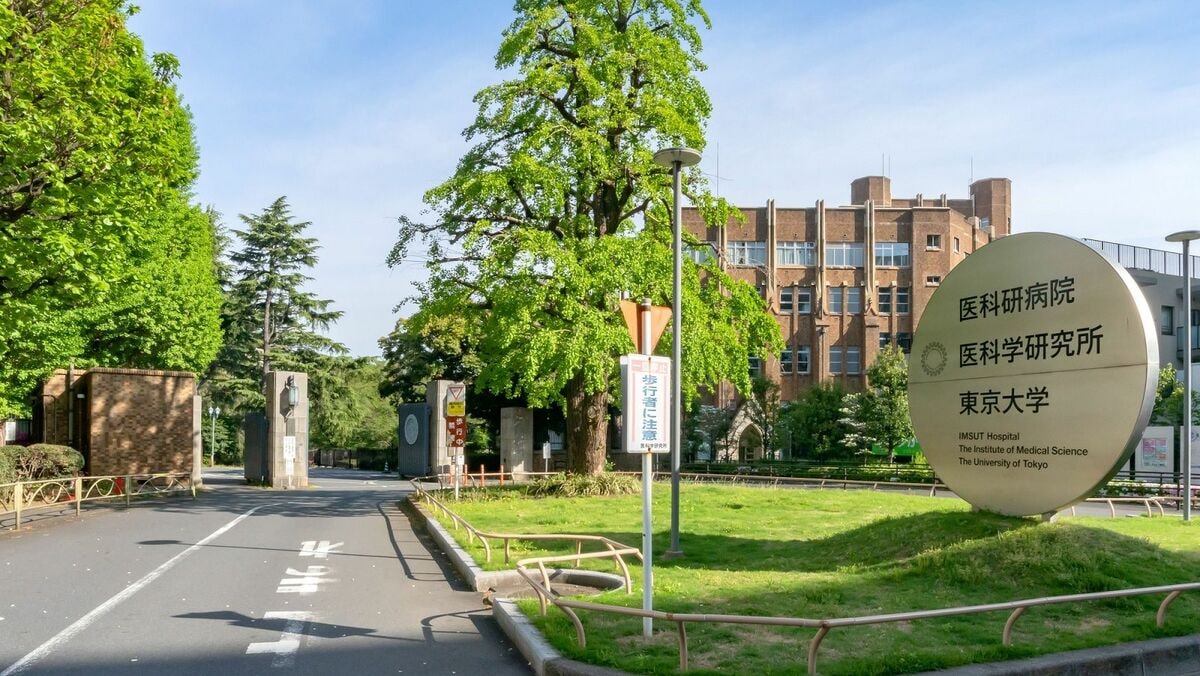
Japan: Asahi Shimbun reported on September 2–3, 2026, that a research group from Osaka University failed to replicate the senolytic effects claimed in a prominent University of Tokyo paper on removing senescent cells. This verification failure has sparked debate about the reliability of experimental materials in aging research. Additionally, Asahi covered new findings from Osaka University and Keio University showing that centenarians possess unique immune cells that attack cancer and senescent cells, suggesting immune adaptability persists in extreme old age
Germany: MedWiss.Online highlighted a Nature Human Behaviour study on September 8, 2026, indicating that financial support for low-income mothers could slow biological aging in their children, linking socioeconomic factors directly to epigenetic age. Meanwhile, Merkur reported on studies showing that children of centenarians have significantly lower mortality risks, reinforcing the genetic component of longevity
Context & numbers
The TAME (Targeting Aging with Metformin) trial remains in enrollment as of early 2026, serving as the primary regulatory framework test for treating aging as a clinical target. In parallel, a large observational study of 63,215 patients found that higher doses of semaglutide were associated with lower incidence of neuropsychiatric events, independent of weight loss. The market for longevity science is projected to reach 1 trillion yen ($6.7 billion USD) as iPS-based "rejuvenation" therapies enter clinical trials in the US.
On the radar
- FDA Guidance on Epigenetic Clocks: Industry analysts note that while epigenetic clocks are widely used in trials, the FDA has not yet established them as valid surrogate endpoints, creating uncertainty for 2026 trial designs.
- Replication Crisis in Senolytics: Following the Osaka University failure to replicate Tokyo’s senolytic results, other labs are scrutinizing the specific cell lines and reagents used in high-profile aging papers.
- iPS Rejuvenation Trials: US-based Life Biosciences is advancing clinical trials using Yamanaka factors for eye conditions, with potential off-target effects on systemic aging being monitored.
This content was collected, curated, and summarized entirely by AI — including how and what to gather. It may contain inaccuracies. Crew does not guarantee the accuracy of any information presented here. Always verify facts on your own before acting on them. Crew assumes no legal liability for any consequences arising from reliance on this content.
Powered by
