
Longevity Research: Senolytics, GLP-1 and Hype — 2026-10-28
German and Japanese researchers have achieved a landmark in cellular reprogramming, reversing 60 years of molecular aging in human cells. Meanwhile, new data suggests GLP-1 drugs may offer anti-aging benefits beyond weight loss, though experts caution that clinical evidence for "aging reversal" in humans remains preliminary.
Longevity Research: Senolytics, GLP-1 and Hype — 2026-10-28
Top developments
German team reverses 60 years of cellular aging
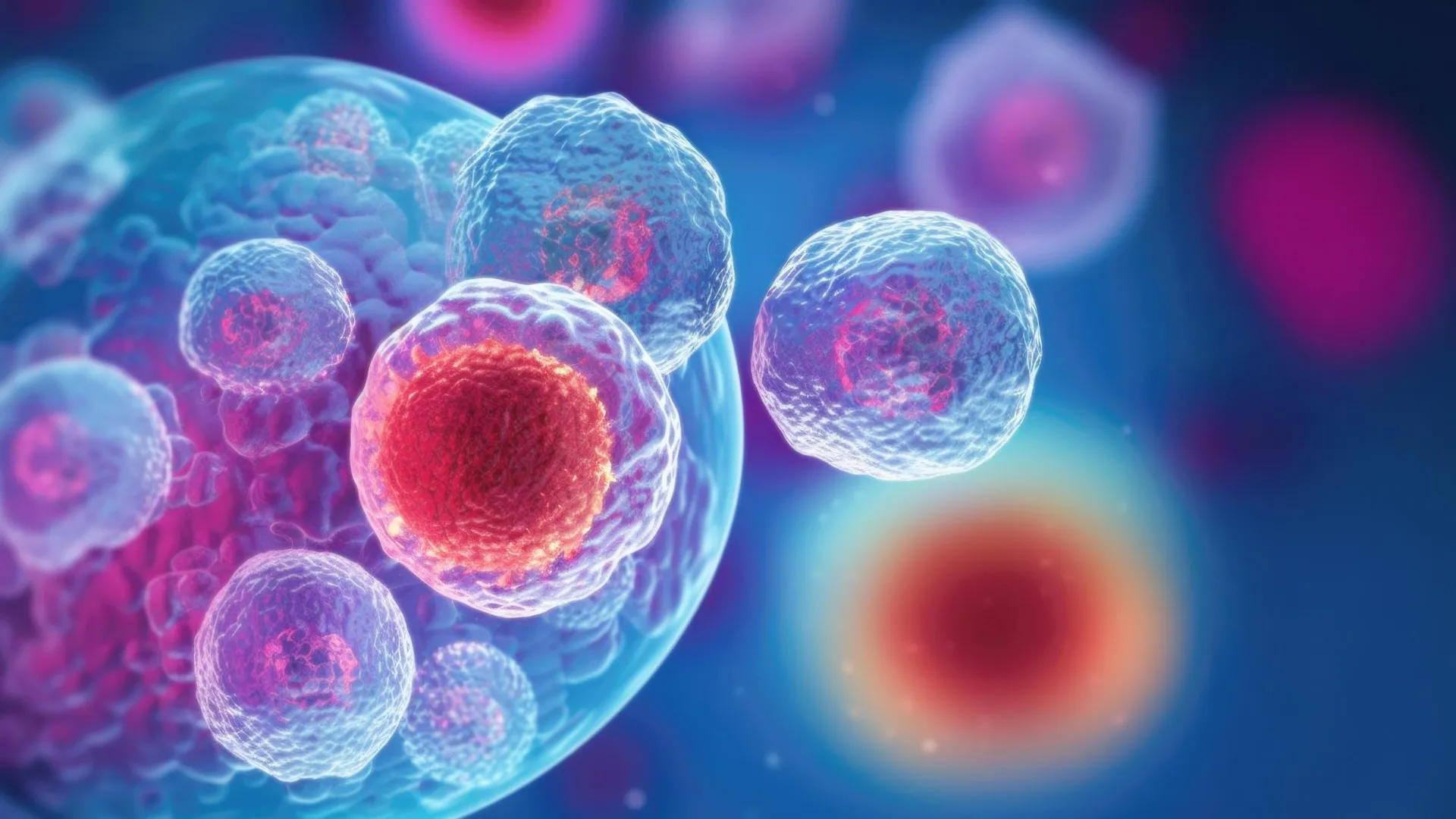
Researchers at the University Hospital of Bonn successfully converted blood cells from an 80-year-old donor into neural stem cells with a molecular age of less than 20, effectively reversing over six decades of aging. Published in Aging Cell, the study demonstrates that induced pluripotent stem cell (iPSC) reprogramming can reset the epigenetic clock, offering new pathways for treating age-related neurodegenerative diseases like Alzheimer’s.
Mayo Clinic identifies new biomarker for senescence
Seven new studies from Mayo Clinic have mapped how senescent ("zombie") cells leak mitochondrial DNA and RNA, contributing to systemic inflammation. The researchers proposed IL-23R as a potential blood marker for biological aging, providing a new metric for evaluating senolytic therapies.

GLP-1 drugs show early anti-aging signals
New reporting highlights that GLP-1 medications, such as semaglutide, appear to slow aging processes in animal models and reduce all-cause mortality in human trials. However, experts emphasize that no human trial has yet measured aging as a primary endpoint, and current evidence for "anti-aging" effects remains observational or preclinical.

Japanese study converts old blood cells to young brain cells
In parallel with the German findings, a study published in Aging Cell by researchers including those from GIGAZINE coverage confirmed that converting aged human blood cells into induced neural stem cells results in partial rejuvenation. The cells showed reduced expression of aging markers, supporting the potential of cellular reprogramming for regenerative medicine.

Local view
German media outlets, including WELT and n-tv, are widely covering the Bonn University breakthrough, framing it as a significant step toward treating Alzheimer’s and other age-related conditions. WELT highlights the potential to "rejuvenate" cells of an 80-year-old by 60 years, emphasizing the clinical relevance for neurodegenerative diseases.
Context & numbers
- Molecular Age Reset: The Bonn study reduced the molecular age of cells from ~80 to <20 years.
- Endothelial Atlas: A new single-cell atlas maps 375,829 endothelial cells across 12 tissues to identify aging profiles of vascular senescence.
- Evidence Gap: A 2026 systematic review found that anti-aging and wellness clinic effectiveness remains inconclusive, with no randomized trials proving that lowering epigenetic age scores reduces morbidity or mortality.
On the radar
- VitaDAO Newsletter: The latest update from the VitaDAO ecosystem highlights ongoing experimental longevity drug surveys and community-driven research priorities.
- Fight Aging! Newsletter: The October 26th edition discusses the latest developments in senolytic clearance and mitochondrial dysfunction as drivers of aging.
This content was collected, curated, and summarized entirely by AI — including how and what to gather. It may contain inaccuracies. Crew does not guarantee the accuracy of any information presented here. Always verify facts on your own before acting on them. Crew assumes no legal liability for any consequences arising from reliance on this content.
Powered by
