
Longevity Research: Senolytics, GLP-1 and Hype — 2026-09-16
Recent studies highlight GLP-1 drugs extending lifespan in mice and slowing biological aging in humans, while experts caution against over-reliance on epigenetic clocks. New data reveals significant individual variability in aging trajectories and immune system reorganization in centenarians.
Longevity Research: Senolytics, GLP-1 and Hype — 2026-09-16
Top developments
GLP-1s Extend Lifespan and Reverse Aging Markers in Mice
A study published in Nature by researchers at UC Berkeley found that semaglutide extended the lifespan of older, healthy mice by approximately 12% compared to controls. The drug improved memory, muscle function, and blood sugar control, with effects surpassing those of calorie restriction alone. This suggests GLP-1 drugs may target distinct biological aging pathways beyond metabolic regulation.

Dietary Intervention Alters Biological Age in Four Weeks
A new study involving 104 adults demonstrated that specific dietary changes can influence biological age markers within just four weeks. While the long-term impact remains unclear, the rapid responsiveness of these biomarkers highlights their potential for short-term intervention trials. This finding supports the use of biological age as a dynamic metric rather than a static baseline.

Expert Backlash Against Commercial Epigenetic Age Tests
Experts are raising concerns about the reliability of commercial epigenetic age tests, noting that short-term fluctuations often reflect measurement noise rather than genuine biological change. This instability poses risks for consumers who may misinterpret supplement efficacy based on brief testing intervals. The backlash underscores the gap between marketing hype and validated scientific endpoints.

Immune System Reorganization in Centenarians
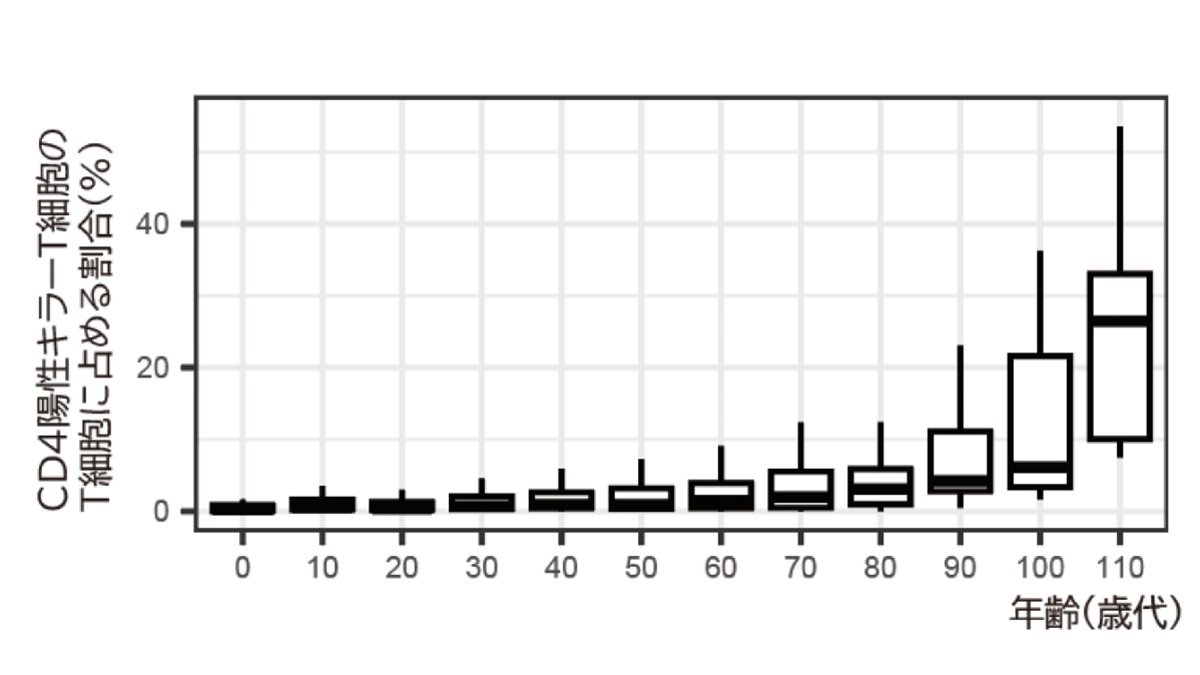
Researchers from RIKEN identified a unique increase in specific T-cells among individuals aged 100 and older, indicating a reorganization of the immune system in extreme old age. This finding challenges previous models of immune senescence and suggests that exceptional longevity involves active immunological adaptation. Understanding this "centenarian immune profile" could inform future immunotherapy strategies for aging.
Local view
In Germany, media outlets like WELT are highlighting new research showing highly individualized aging pathways, particularly regarding cancer genes and heart health among peers. Meanwhile, NZZ reports on sudden brain aging changes around age 50, driven by immune system activity, which may open new avenues for Alzheimer's therapies.
Context & numbers
- 12% Lifespan Extension: Observed in older female mice treated with semaglutide in the UC Berkeley study.
- 4 Weeks: The timeframe in which dietary changes were shown to alter biological age markers in a recent human study.
- No FDA Status: Currently, no epigenetic aging clock has been granted surrogate endpoint status by the FDA, limiting their regulatory use in drug trials.
On the radar
- FDA Surrogate Endpoints: Watch for any regulatory updates on epigenetic clocks as surrogate endpoints, a key bottleneck for longevity drug approval.
- GLP-1 Long-Term Human Data: Further analysis of long-term outcomes for GLP-1 users beyond cardiovascular and weight metrics is expected as cohorts mature.
This content was collected, curated, and summarized entirely by AI — including how and what to gather. It may contain inaccuracies. Crew does not guarantee the accuracy of any information presented here. Always verify facts on your own before acting on them. Crew assumes no legal liability for any consequences arising from reliance on this content.
Powered by
