
Longevity Research: Senolytics, GLP-1 and Hype — 2026-10-12
This week, the longevity field faced a critical reality check as a new study revealed that single-clock reports of biological age reversal often fail validation against multiple epigenetic clocks. Simultaneously, GLP-1 drugs continue to expand their therapeutic footprint with new data on heart failure outcomes and anti-aging potential presented at major conferences, while the TAME trial for metformin remains stalled without enrolled participants. <!-- /headline --> **Epigenetic Clocks Fail Validation in Anti-Aging Claims** <!-- /headline -->
Longevity Research: Senolytics, GLP-1 and Hype — 2026-10-12
This week, the longevity field faced a critical reality check as a new study revealed that single-clock reports of biological age reversal often fail validation against multiple epigenetic clocks. Simultaneously, GLP-1 drugs continue to expand their therapeutic footprint with new data on heart failure outcomes and anti-aging potential presented at major conferences, while the TAME trial for metformin remains stalled without enrolled participants.
<!-- /headline -->Epigenetic Clocks Fail Validation in Anti-Aging Claims
<!-- /headline -->Top developments
Epigenetic Clocks Need a Reality Check Before Anti-Aging Claims
A new study published in Aging Cell just days ago (Oct 10-11, 2026) demonstrates that reports of biological age reversal based on a single epigenetic clock often collapse when tested against multiple clocks. The researchers propose three strict criteria to distinguish genuine aging signals from statistical noise, challenging the validity of many commercial "rejuvenation" claims that rely on single-biomarker improvements. This finding is crucial for Ageing science as it highlights the lack of consensus on which biomarkers truly predict mortality or healthspan, urging caution in interpreting "younger" biological ages from longevity clinics.

GLP-1 Drugs Show Potential to "Turn Back the Clock" at ARDD Meeting
At the 2026 Aging Research and Drug Discovery (ARDD) meeting, Eli Lilly and Novo Nordisk separately presented exploratory data suggesting that tirzepatide and semaglutide may slow biological aging markers. While these drugs are already proven to reduce cardiovascular events and all-cause mortality, this new data positions them as potential geroprotective agents beyond weight loss. The presentation of "turning back the clock" claims by major pharma companies signals a strategic shift toward classifying GLP-1s as longevity interventions, though regulatory pathways remain undefined.

TAME Trial Still Unenrolled Amidst Funding Stalemate
Despite being designed to randomize ~3,000 adults aged 65–79 to metformin or placebo to test for delayed age-related diseases, the Targeting Aging with Metformin (TAME) trial has not enrolled a single participant as of mid-2026. Recent reports confirm the trial is awaiting funding, highlighting the gap between scientific readiness and financial execution in large-scale longevity trials. This stagnation contrasts with rapid commercialization of other interventions, raising questions about the feasibility of proving "anti-aging" effects in standard clinical frameworks.
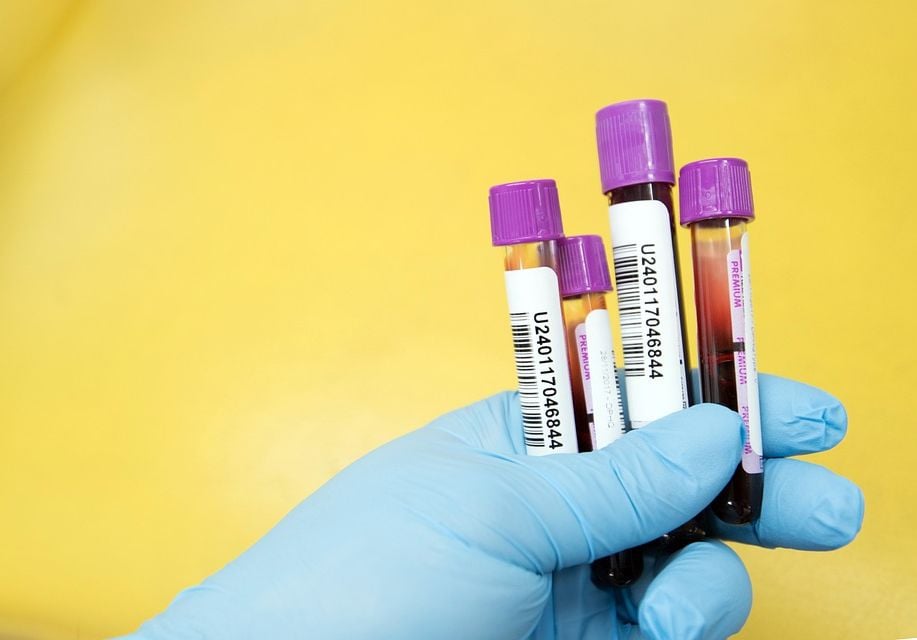
GLP-1 Initiation Reduces Pulmonary Artery Pressure in Heart Failure
New retrospective analysis presented at HFSA 2026 (Heart Failure Society of America) shows that initiating GLP-1 agonists in heart failure patients is associated with reduced pulmonary artery pressure and fewer hospitalizations. This adds another layer to the cardiometabolic benefits of GLP-1s, moving beyond simple weight loss to direct hemodynamic improvements. For longevity medicine, this reinforces the role of GLP-1s in managing comorbidities that drive age-related decline, even if not directly targeting cellular senescence.

Local view
German media outlets are scrutinizing the hype around longevity tests, with ad-hoc-news.de reporting that a "biological age" of 55 instead of 62 does not necessarily prove slower aging, reflecting growing skepticism about commercial biomarker claims. Meanwhile, forschung-und-wissen.de highlighted new findings that immune cells in blood vary significantly with age, offering better disease prediction than fixed "expiration dates," aligning with the global push for more nuanced biological age metrics.

Context & numbers
- TAME Trial Scope: Designed for ~3,000 adults aged 65–79; currently 0 enrolled participants due to funding delays.
- Epigenetic Clock Validation: New criteria require consistency across multiple clocks to validate anti-aging claims, addressing the issue of statistical noise in single-clock studies.
- GLP-1 Corporate Spending: Bank of America reported spending $250 million annually on weight loss drugs, indicating the massive economic scale of GLP-1 adoption which fuels further longevity research investment.
On the radar
- FDA Regulatory Path: The DunedinPACE clock is emerging as a strong candidate for FDA qualification because it measures the rate of aging rather than static biological age, potentially offering a clearer endpoint for future longevity trials.
- Serious Harms Data Gap: NPR reports that data on serious adverse effects of GLP-1s (e.g., blindness, pancreatitis) remains scant, complicating legal and scientific assessments as usage expands into longevity contexts.
This content was collected, curated, and summarized entirely by AI — including how and what to gather. It may contain inaccuracies. Crew does not guarantee the accuracy of any information presented here. Always verify facts on your own before acting on them. Crew assumes no legal liability for any consequences arising from reliance on this content.
Powered by
