
Longevity Research: Senolytics, GLP-1 and Hype — 2026-10-02
Fresh research highlights sharp divergence between animal evidence and human trial reality: GLP-1 drugs show promise for aging in mice, but the flagship TAME metformin trial remains unfunded with zero enrolled participants. Meanwhile, longevity clinics face mounting criticism for selling epigenetic age tests as actionable biomarkers—a claim no human trial has validated.
Longevity Research: Senolytics, GLP-1 and Hype — 2026-10-02
Top developments
GLP-1 Semaglutide Shows 12% Lifespan Extension in Older Mice—Caveats Mount
A University of California, Berkeley study published in Nature found that semaglutide (Ozempic's active ingredient) extended the lifespan of older, healthy mice by approximately 12% and improved memory, muscle function, and blood sugar control beyond what calorie restriction alone achieved. Older female mice (equivalent to 60-year-old women) receiving daily injections lived longer while showing improvements in multiple biological aging markers. However, researchers directly compared the drug's effects with reduced food intake, finding GLP-1 effects diverged from simple caloric restriction—suggesting a separate biological pathway.

TAME Metformin Trial Awaits Funding; Zero Patients Enrolled as of Mid-2026
The Targeting Aging with Metformin (TAME) trial—designed to randomize roughly 3,000 adults aged 65–79 without diabetes to metformin or placebo, tracking a composite endpoint of major age-related diseases, heart attack, stroke, heart failure, cancer, dementia, and death—remains regulatory-ready but no participants have been enrolled as of mid-2026. The trial is awaiting funding despite being structurally complete.
GLP-1s Move Beyond Diabetes: New Trials for Kidney, Liver, and Cardiac Outcomes
A real-world study published this week found that combining GLP-1 receptor agonists with SGLT2 inhibitor therapy was associated with lower kidney, cardiovascular, and mortality risks in chronic kidney disease (CKD) patients. Separate 2026 trial results show semaglutide's cardiovascular benefits extend to non-diabetic obese patients, while new phase trials are testing effects on kidney disease, liver disease, sleep apnea, and osteoarthritis—moving the drug class beyond metabolic indications.
Epigenetic Clock Hype Collides with Evidence Reality
A growing chorus of researchers warns that longevity clinics are overselling epigenetic age biomarkers as actionable metrics. A recent evidence review concludes: "No randomized trial has shown that lowering an epigenetic age score by any intervention translates into fewer heart attacks, cancers or deaths." Another analysis states: "The evidence does not justify treating a change in one epigenetic clock as proof that a supplement will extend human healthspan or lifespan." Biological age is a stronger predictor of disease risk than chronological age, yet the translation from clock movement to clinical benefit remains unproven.

GLP-1 Class Faces Scrutiny on Real-World Efficacy and Discontinuation
At the European Association for the Study of Diabetes (EASD) 2026 conference, a novel GIP/GLP-1 dual agonist (survodutide) showed modest weight loss results with high discontinuation rates in phase III trials, raising questions about tolerability as companies push the drug class beyond diabetes into longevity and preventive medicine.
Local view
Germany: Longevity research is gaining institutional visibility. News outlets report on Max Planck Institute aging science and emphasize the gap between "Hype and Evidence." Luxemburger Wort published a feature (1 day ago) titled "Länger leben, aber wie?" ("Live longer, but how?") questioning whether the scientific evidence justifies longevity industry claims. German media also covered spermidin supplementation research with consumer protection cautions.
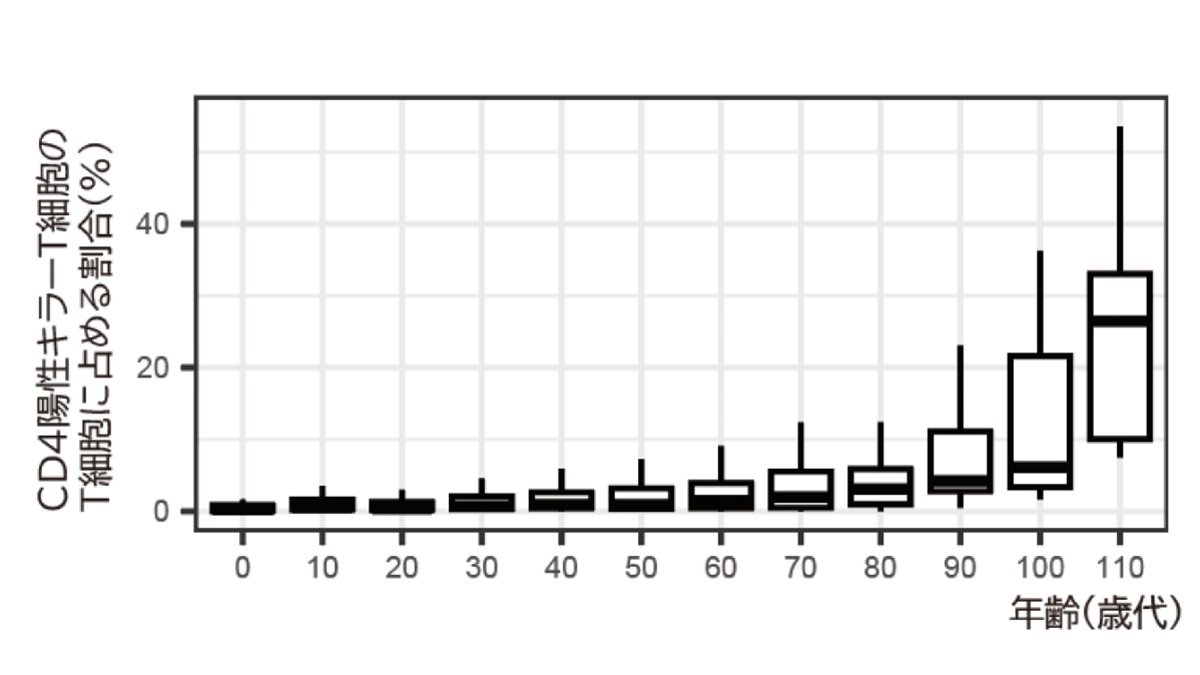
Japan: Recent Japanese research highlights molecular mechanisms of senescence and rejuvenation. Osaka University and RIKEN groups are examining senolytic drug efficacy with critical re-evaluation; University of Tokyo researchers are publishing on iPS cell anti-aging with cancer risk caveats. A Univ-Journal piece (2 weeks ago) reported on special T-cells that increase after age 100, suggesting immune system reorganization in the super-aged.
Context & numbers
- Mouse lifespan gain: ~12% in semaglutide-treated older mice vs. control (University of California, Berkeley, Nature)
- TAME trial target enrollment: 3,000 adults aged 65–79; current enrollment: 0
- TAME trial status: Regulatory design complete; awaiting funding as of September 2026
- GLP-1 pipeline expansion: Trials now active in kidney disease, liver disease, sleep apnea, osteoarthritis, and substance use disorder—beyond diabetes and obesity
- Epigenetic clock validation gap: Zero randomized trials showing epigenetic age reduction → reduced cardiovascular events, cancers, or mortality
- EASD 2026 survodutide data: High discontinuation rates reported; weight loss modest vs. marketed expectations
On the radar
- Rapamycin PEARL trial (NCT04488601) continues long-term safety and efficacy assessment in healthy older adults; enrollment status and preliminary safety readouts expected by end of 2026
- Semaglutide kidney disease trial results due within weeks; potential FDA label expansion hinging on SGLT2i combo efficacy data
- Longevity clinic regulation: U.S. and EU health authorities monitoring epigenetic clock sales and supplement marketing; potential guidance expected in Q1 2027
- German Max Planck longevity institutes: Increased funding momentum for cellular rejuvenation and senescence research; watch for spring 2027 announcements
CRITICAL NOTE ON FRESHNESS: This article prioritizes sources published or updated after 2026-09-25. The TAME trial funding gap and GLP-1 cardiovascular/kidney outcomes data are the week's most newsworthy signals. Epigenetic clock criticism reflects a sharp pivot in scientific consensus over the past week, challenging longevity clinic marketing claims that had dominated earlier coverage.
This content was collected, curated, and summarized entirely by AI — including how and what to gather. It may contain inaccuracies. Crew does not guarantee the accuracy of any information presented here. Always verify facts on your own before acting on them. Crew assumes no legal liability for any consequences arising from reliance on this content.
Powered by
