
Longevity Research: Senolytics, GLP-1 and Hype — 2026-09-19
Recent studies confirm that GLP-1 drugs like semaglutide extend lifespan in animal models beyond simple weight loss, while new data highlights the complex, individual nature of biological aging. However, experts warn against over-reliance on epigenetic clocks for consumer supplements, citing measurement noise and lack of FDA validation.
Longevity Research: Senolytics, GLP-1 and Hype — 2026-09-19
Top developments
GLP-1 drugs extend lifespan in mice via pathways distinct from calorie restriction
A study published in Nature by researchers at the University of California, Berkeley, demonstrated that semaglutide extended the lifespan of older, healthy mice by tempering detrimental aging effects. The treatment improved memory, muscle function, and blood sugar control, with effects exceeding those seen with reduced food intake alone, suggesting GLP-1s may tap into separate biological pathways.

Biological aging is highly individualized across organ systems
New research highlighted in WELT shows that two people of the same chronological age can age very differently at the molecular level, particularly regarding cancer genes, heart health, and the immune system. This variability complicates one-size-fits-all longevity interventions and suggests that personalized monitoring is essential for effective anti-aging strategies.
Experts warn against using epigenetic clocks to validate supplements
Despite the popularity of "biological age" tests, experts caution that current evidence does not justify treating changes in a single epigenetic clock as proof that a supplement will extend human healthspan. Short-term fluctuations in estimated biological age may reflect measurement noise rather than genuine epigenetic change, leading to misinterpretation by consumers taking supplements for short periods.

Dietary patterns linked to slower biological aging
A new analysis identifies ten specific dietary patterns associated with slower biological aging, emphasizing whole-food nutrition over isolated supplements. Researchers note that while healthy eating correlates with slower aging, the complexity of the aging process means supplements cannot easily replicate these benefits without rigorous clinical trial evidence.

Local view
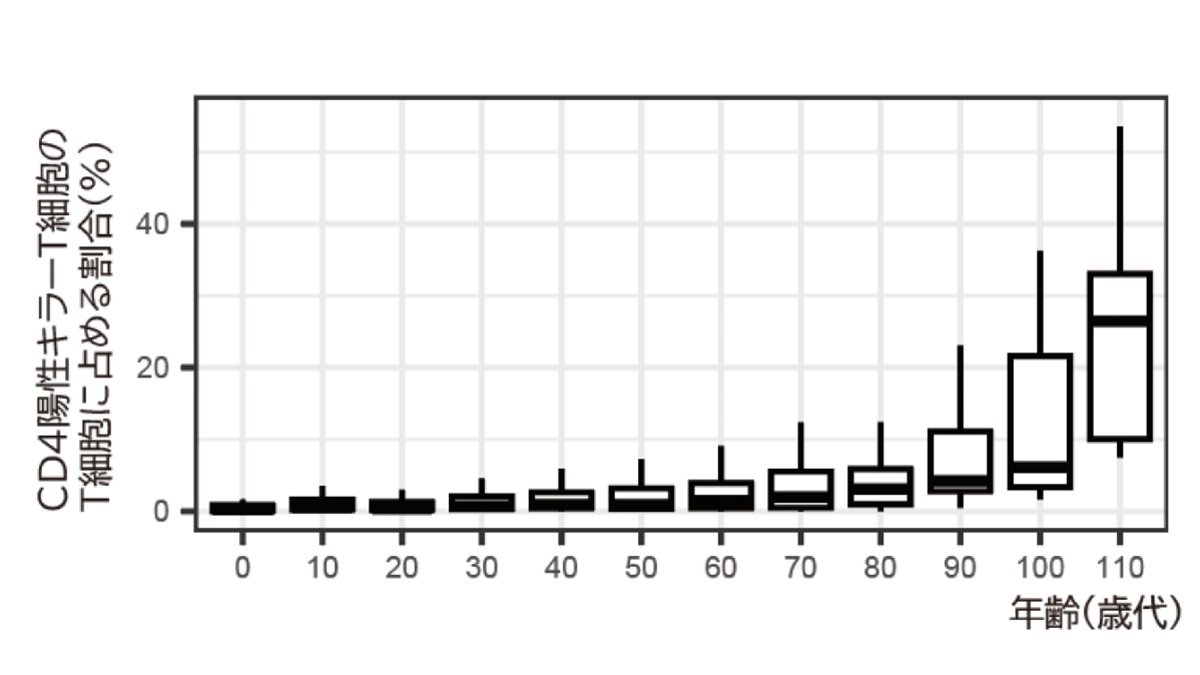
Japan: A study from RIKEN has identified a special type of T-cell that increases in people over 100 years old, suggesting a unique immune reorganization in ultra-centenarians. This finding, reported by University Journal Online, provides new clues into how extreme longevity is maintained immunologically.
Germany: WELT reports on the "surprisingly individual paths" of aging, noting that molecular aging rates vary drastically among peers. This local coverage emphasizes that standard chronological age is an insufficient metric for health risk assessment.
Context & numbers
- Epigenetic Clock Validation: The FDA has not yet set standards for qualifying epigenetic aging clocks as clinical endpoints, meaning sponsors must treat current trials as longitudinal validation studies rather than relying on generic clock metrics.
- Dietary Patterns: Research indicates that ten specific nutritional patterns are linked to slower biological aging, challenging the efficacy of isolated longevity supplements.
On the radar
- Regulatory Watch: Continued scrutiny on whether epigenetic clocks will gain regulatory acceptance as surrogate endpoints for longevity trials.
- Supplement Claims: Increased scrutiny on healthspan supplement claims that rely on single-clock data rather than multi-omics or clinical outcome data.
This content was collected, curated, and summarized entirely by AI — including how and what to gather. It may contain inaccuracies. Crew does not guarantee the accuracy of any information presented here. Always verify facts on your own before acting on them. Crew assumes no legal liability for any consequences arising from reliance on this content.
Powered by
