
Longevity Research: Senolytics, GLP-1 and Hype — 2026-09-10
A major new analysis of 51 trials confirms that diet, exercise, and specific drug classes like metformin and semaglutide measurably shift aging biomarkers, while over-the-counter supplements largely fail to do so. Simultaneously, a Nature Medicine review highlights the lack of FDA-validated epigenetic clocks as surrogate endpoints, warning that current longevity clinics may be overpromising based on unvalidated metrics.
Longevity Research: Senolytics, GLP-1 and Hype — 2026-09-10
Top developments
Supplements Lag Behind Drugs in Biomarker Shifts
A comprehensive analysis of 51 clinical trials published this week found that diet, exercise, metformin, semaglutide, and anti-TNF drugs successfully shifted epigenetic aging markers. In stark contrast, the evidence for over-the-counter supplements was described as "thin," failing to produce measurable changes in biological age indicators compared to the intervention groups. This study provides concrete data separating evidence-based interventions from the broader longevity hype

AI-Generated Drug Shows Early Signs of Slowing Aging
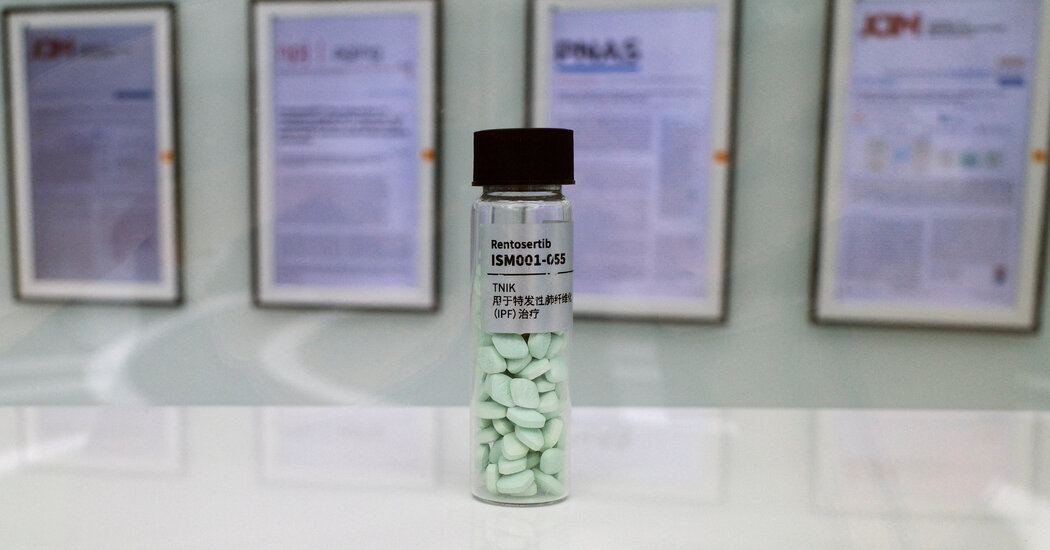
The New York Times reported on September 7 that early data from a drug candidate named rentosertib, developed with AI assistance for a rare lung condition, suggests it may reduce biological hallmarks of age. While primarily tested for pulmonary fibrosis, the maker claims the drug impacts aging pathways, marking one of the first instances where an AI-designed molecule shows potential longevity benefits in human trials
Semaglutide Linked to Lower Neuropsychiatric Event Rates
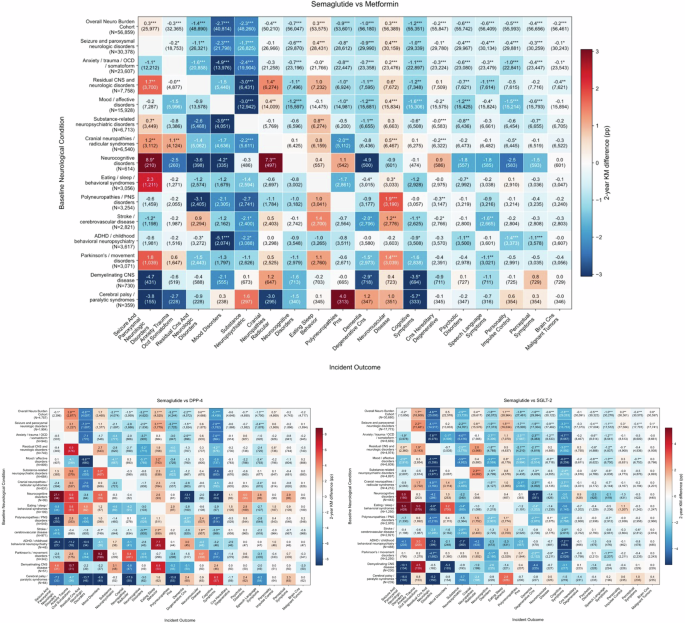
A large observational study involving 63,215 patients found that higher doses of semaglutide were associated with a lower incidence of neuropsychiatric events, independent of weight loss. Published in npj Metabolic Health and Disease this week, the findings suggest GLP-1 receptor agonists may offer protective benefits for brain health beyond their metabolic effects, adding to the growing list of "beyond weight" outcomes for these drugs
FDA Has Not Validated Epigenetic Clocks as Endpoints
A critical opinion piece in Clinical Trial Vanguard emphasized that while epigenetic clocks are ticking in popularity, the FDA has not yet accepted them as validated surrogate endpoints for longevity trials. The article warns that sponsors designing trials in 2026 must treat current data as longitudinal validation efforts rather than proven metrics, highlighting a significant gap between commercial longevity clinic promises and regulatory reality
Local view
In Japan, media coverage has focused heavily on the reproducibility crisis in senolytic research. Toyo Keizai Online reported that researchers from Osaka University and others failed to replicate effects claimed in a prominent University of Tokyo paper regarding the removal of aging cells, raising serious questions about the reliability of some preclinical senolytic data. Additionally, Asahi Shimbun highlighted the growing "longevity science" market in the US, specifically mentioning clinical trials using Yamanaka factors to "rejuvenate" eye cells, signaling strong local interest in translating Japanese stem cell discoveries into anti-aging therapies
Context & numbers
- Biomarker Study Size: The recent biomarker analysis reviewed 51 distinct clinical trials to compare interventions.
- Neuropsychiatric Sample: The semaglutide safety/outcome study analyzed data from 63,215 patients with preexisting neuropsychiatric conditions.
- Genetic Contribution: German media outlets citing recent research note that genetics determine only 20-30% of aging tempo, with lifestyle playing the dominant role.
On the radar
- TAME Trial Status: The Targeting Aging with Metformin (TAME) trial remains in the enrollment phase as of early 2026, with no new efficacy results released this week despite ongoing hype.
- Compounded GLP-1 Safety Signals: The FDA logged over 1,700 adverse event reports related to compounded semaglutide and tirzepatide through May 31, a figure likely to influence upcoming regulatory discussions on compounded peptide sales.
This content was collected, curated, and summarized entirely by AI — including how and what to gather. It may contain inaccuracies. Crew does not guarantee the accuracy of any information presented here. Always verify facts on your own before acting on them. Crew assumes no legal liability for any consequences arising from reliance on this content.
Powered by
