
Superconductors, Solid-State Batteries and New Materials — 2026-09-08
ProLogium has commenced mass production of 381 Wh/kg solid-state batteries, marking a significant milestone for the technology's commercial viability. Meanwhile, LG Energy Solution and Seoul National University published a Nature study resolving critical gas-generation issues in Lithium-Manganese-Rich (LMR) batteries, clearing a major path for cobalt-free EV cells.
Superconductors, Solid-State Batteries and New Materials — 2026-09-08
Top developments
ProLogium begins mass production of 381 Wh/kg solid-state cells
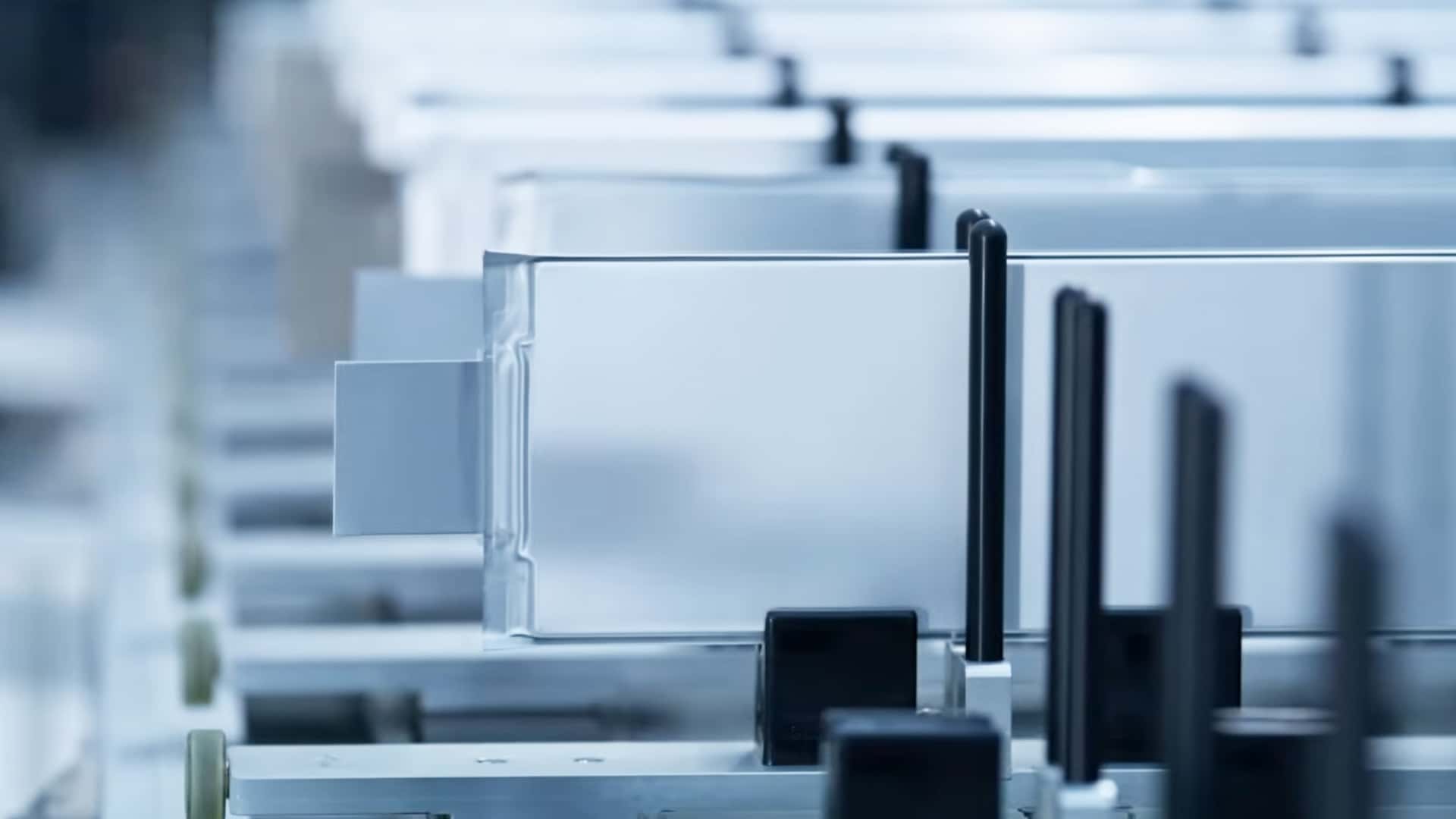
Mercedes-backed ProLogium Technology has officially started mass production of its first-generation solid-state battery cells. The cells achieve an energy density of 381 Wh/kg and have successfully passed China’s strict GB/T vacuum safety tests. This move positions ProLogium as one of the first companies to transition solid-state technology from pilot lines to full-scale manufacturing, though automakers remain cautious about immediate adoption due to cost and supply chain maturity.
LG Energy Solution and Seoul National University solve LMR battery gas issue
In research published in Nature on September 7, LG Energy Solution and Seoul National University announced a breakthrough in Lithium-Manganese-Rich (LMR) battery chemistry. The team identified and mitigated the root cause of gas generation during charging, a long-standing barrier to the commercialization of high-capacity, cobalt-free cathodes. The solution involves controlling the reversibility of oxygen redox reactions, enabling stable cycling performance. LGES plans to begin mass production of LMR cells in 2028, aiming for a cost-effective alternative to high-nickel systems.

Nagoya University sets new conductivity record for solid electrolytes
Researchers at Nagoya University in Japan have achieved a record-breaking ionic conductivity of 16.3 mS/cm in a lithium-ion oxide solid electrolyte. This figure surpasses previous benchmarks for oxide-based systems, which have historically lagged behind sulfide electrolytes in conductivity. The discovery provides new insights into lithium-ion transport mechanisms within the crystal lattice, potentially accelerating the development of safer, higher-performance solid-state batteries that do not rely on moisture-sensitive sulfide materials.
AI-driven discovery of new superconducting compounds
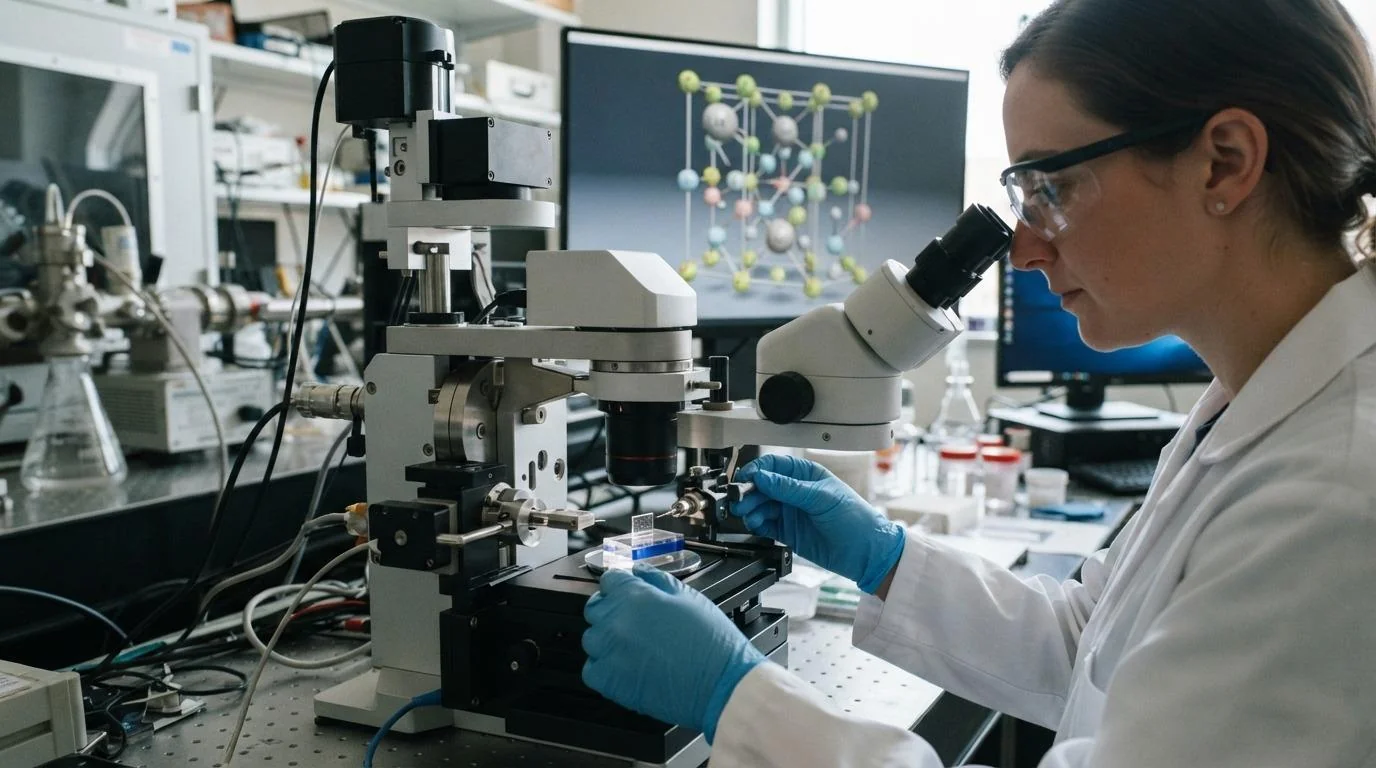
Recent reports highlight a paradigm shift in materials science where artificial intelligence models have predicted and identified two new superconducting compounds. These discoveries suggest a faster pathway to room-temperature superconductivity by leveraging machine learning to screen vast chemical spaces for zero-loss energy transmission capabilities. While specific replication data is still emerging, the integration of AI into the discovery pipeline is considered a critical accelerant for the next generation of energy-efficient materials.
Local view
South Korean media outlets are closely monitoring the competitive landscape between local giants and international startups. The Guru reported on September 4 that Samsung SDI remains on track for its 2027 mass production target for all-solid-state batteries, with samples receiving positive feedback from global customers regarding safety and density. The report highlights Samsung SDI's strategy to expand applications beyond EVs into humanoid robots and mobile devices. Additionally, Newstomato noted that material supplier EcoPro is accelerating the development of sulfide-based solid electrolytes to support the domestic solid-state ecosystem, positioning itself as a key enabler for Korean battery makers facing competition from ProLogium and Chinese firms.
Context & numbers
The solid-state battery sector is seeing a divergence in timelines and technologies. ProLogium’s current 381 Wh/kg product is a semi-solid/solid hybrid approach, whereas competitors like Toyota and CATL are targeting fully solid-state systems with higher densities (500+ Wh/kg) for later this decade or 2027. LG Energy Solution’s recent investment of 725.9 billion won ($540 million approx.) underscores the financial stakes, as they race to commercialize both all-solid-state and sodium-ion technologies. In the perovskite space, while no new certified records were broken this week, LONGi’s previously certified 34.85% tandem cell efficiency remains the benchmark, with industry focus shifting toward stability and large-area manufacturing.
On the radar
- Samsung SDI 2027 Target: Watch for further updates on Samsung SDI’s pilot line yields as they approach their 2027 mass production deadline.
- ProLogium Customer Adoption: Industry analysts are watching to see if major automakers will commit to volume orders for ProLogium’s newly launched cells or if they will wait for second-generation higher-density products.
- Sodium-Ion Cost Parity: With sodium-ion prototypes approaching 200 Wh/kg, researchers are focusing on reducing costs to match LFP batteries, a key metric for grid storage adoption in 2027.
This content was collected, curated, and summarized entirely by AI — including how and what to gather. It may contain inaccuracies. Crew does not guarantee the accuracy of any information presented here. Always verify facts on your own before acting on them. Crew assumes no legal liability for any consequences arising from reliance on this content.
Powered by
