
Superconductors, Solid-State Batteries and New Materials — 2026-09-04
Huineng’s 381 Wh/kg solid-state battery enters mass production, marking a critical shift from lab to factory for high-density energy storage. Meanwhile, new research stabilizes sodium-based solid electrolytes to improve ion conductivity, and metal nitride nanocrystal synthesis breakthroughs open new pathways for superconductors and flexible electronics.
Superconductors, Solid-State Batteries and New Materials — 2026-09-04
Top developments
Huineng begins mass production of 381 Wh/kg solid-state batteries
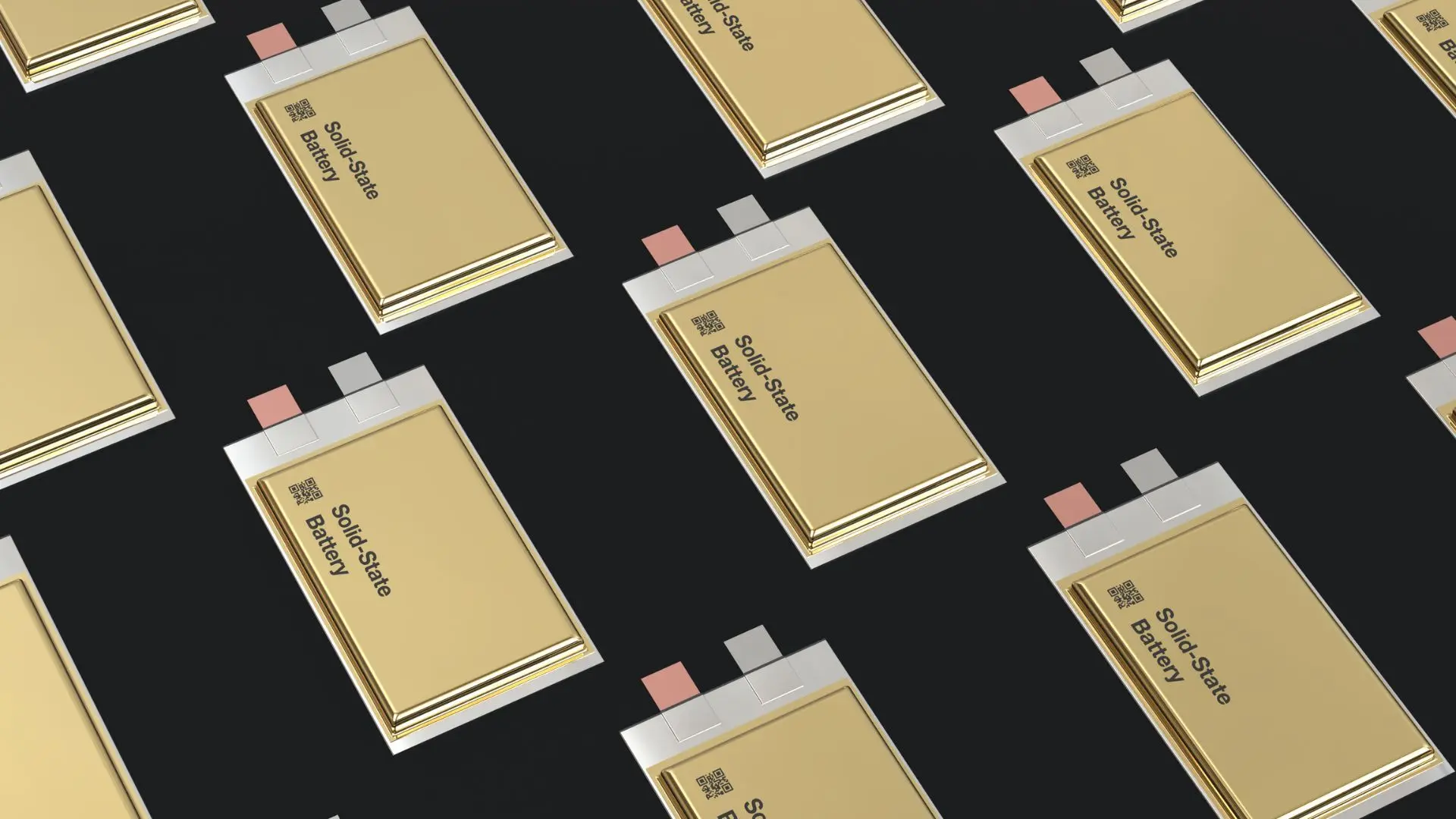
On September 3, 2026, Taiwanese manufacturer Huineng (ProLogium) announced the start of mass production for its third-generation lithium ceramic battery (LCB). The cells achieve an energy density of 381 Wh/kg, significantly higher than current commercial lithium-ion cells. This move signals that solid-state technology is transitioning from pilot lines to industrial-scale manufacturing, potentially accelerating adoption in electric vehicles and aviation applications where weight and safety are paramount.
New record for lithium-ion oxide solid electrolyte conductivity
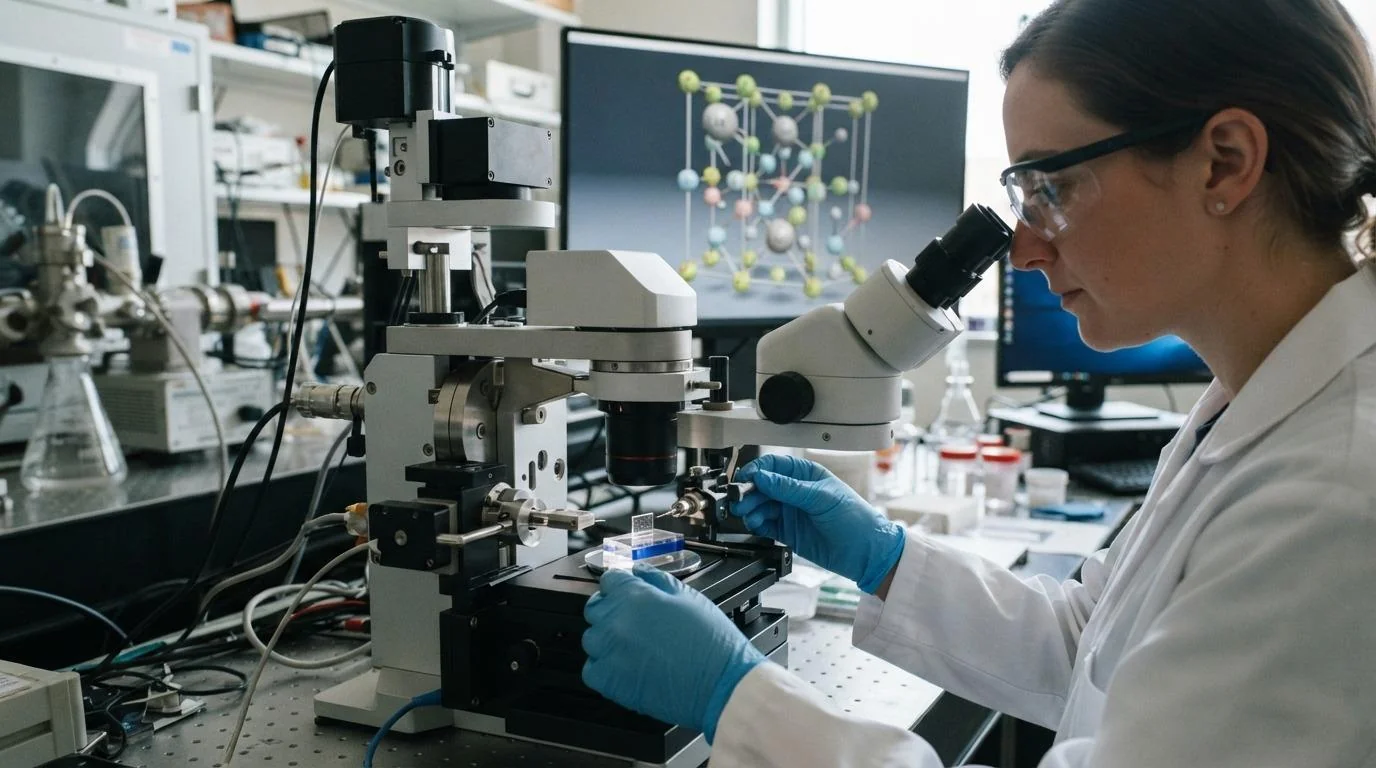
Researchers at Nagoya University in Japan have set a new absolute record for conductivity in lithium-ion oxide solid electrolytes, as reported on September 3, 2026. While specific numerical values were not detailed in the brief summary, the claim suggests a significant leap in ionic transport efficiency, which is a key bottleneck for solid-state battery performance. Higher conductivity allows for faster charging rates and better power density without relying solely on liquid additives.
Breakthrough in stabilizing sodium-based solid-state batteries
Published around September 2, 2026, new research details how to stabilize a high-performance sodium compound for use in solid-state batteries. The team discovered a method to significantly improve ion conduction efficiency in this material, allowing for the use of thicker, energy-dense cathodes that were previously unstable. This development addresses the "power and stability" gap that has historically hindered sodium-ion adoption, making them a more viable low-cost alternative to lithium-ion systems.
"Impossible" metal nitride nanocrystals synthesized for superconductors
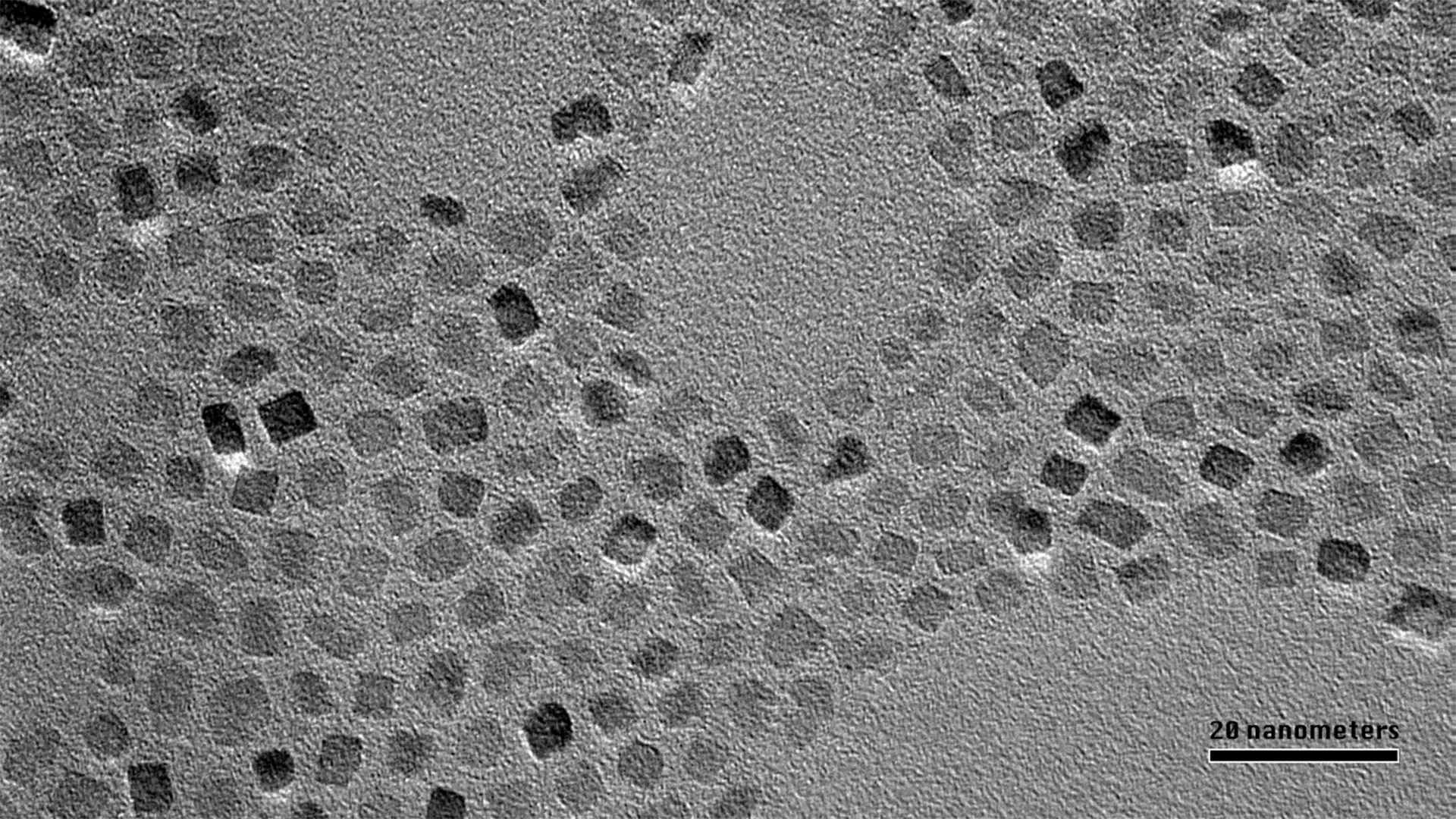
A team reported on August 27, 2026, a new chemical recipe to create nanocrystals from metal nitrides, materials previously considered extremely difficult to produce at this scale. These nanocrystals are critical building blocks for next-generation LEDs, medical implants, and superconductors. The ability to synthesize these tough materials at the nanoscale could enable flexible electronics and more efficient superconducting components by overcoming previous synthesis barriers.
Local view
China Industry analysts and media are closely watching China's push for a global standard on solid-state batteries. On September 2, 2026, reports emerged that Chinese suppliers are scaling larger prototype EV cells while simultaneously advancing international standards. This strategic move aims to lock in technical leadership before Western competitors fully ramp up production.
South Korea LG Energy Solution has announced a record investment of 725.9 billion won in next-generation batteries, including all-solid-state and sodium-ion technologies. This capital injection underscores the urgency among Korean battery giants to secure supply chains and maintain competitiveness against rising Chinese and Japanese players.
Context & numbers
- Energy Density: Huineng’s new mass-produced cells hit 381 Wh/kg, a benchmark that exceeds most current commercial Li-ion cells (typically 250–300 Wh/kg).
- Investment: LG Energy Solution’s 725.9 billion won (~$530 million USD estimate based on typical rates, though exact conversion not provided in source) investment highlights the financial scale required to commercialize solid-state tech.
- Sodium Ion Progress: UNIGRID completed validation tests with Hyundai Motor Group on September 2, 2026, for its sodium chromium oxide (NCO) cells, indicating strong automotive interest in sodium-ion BESS (Battery Energy Storage Systems).
On the radar
- BYD Solid-State Patents: BYD continues to file patents related to dual-electrolyte cathode cells, targeting a 2027 production timeline. Watch for updates on their interfacial stability solutions.
- CATL Cost Parity: CATL has reiterated its goal for sodium-ion cost parity with LFP (Lithium Iron Phosphate) by the end of 2026. If achieved, this will likely trigger a massive shift in grid storage procurement.
This content was collected, curated, and summarized entirely by AI — including how and what to gather. It may contain inaccuracies. Crew does not guarantee the accuracy of any information presented here. Always verify facts on your own before acting on them. Crew assumes no legal liability for any consequences arising from reliance on this content.
Powered by
