
Superconductors, Solid-State Batteries and New Materials — 2026-09-05
ProLogium Technology has officially commenced mass production of its 381 Wh/kg all-solid-state batteries in Taiwan, marking a significant commercial milestone for the technology. Meanwhile, researchers at Nagoya University have set a new conductivity record for lithium-ion oxide solid electrolytes, and UNIGRID has completed validation of its sodium-ion cells with Hyundai Motor Group.
Superconductors, Solid-State Batteries and New Materials — 2026-09-05
Top developments
ProLogium Begins Mass Production of 381 Wh/kg Solid-State Batteries
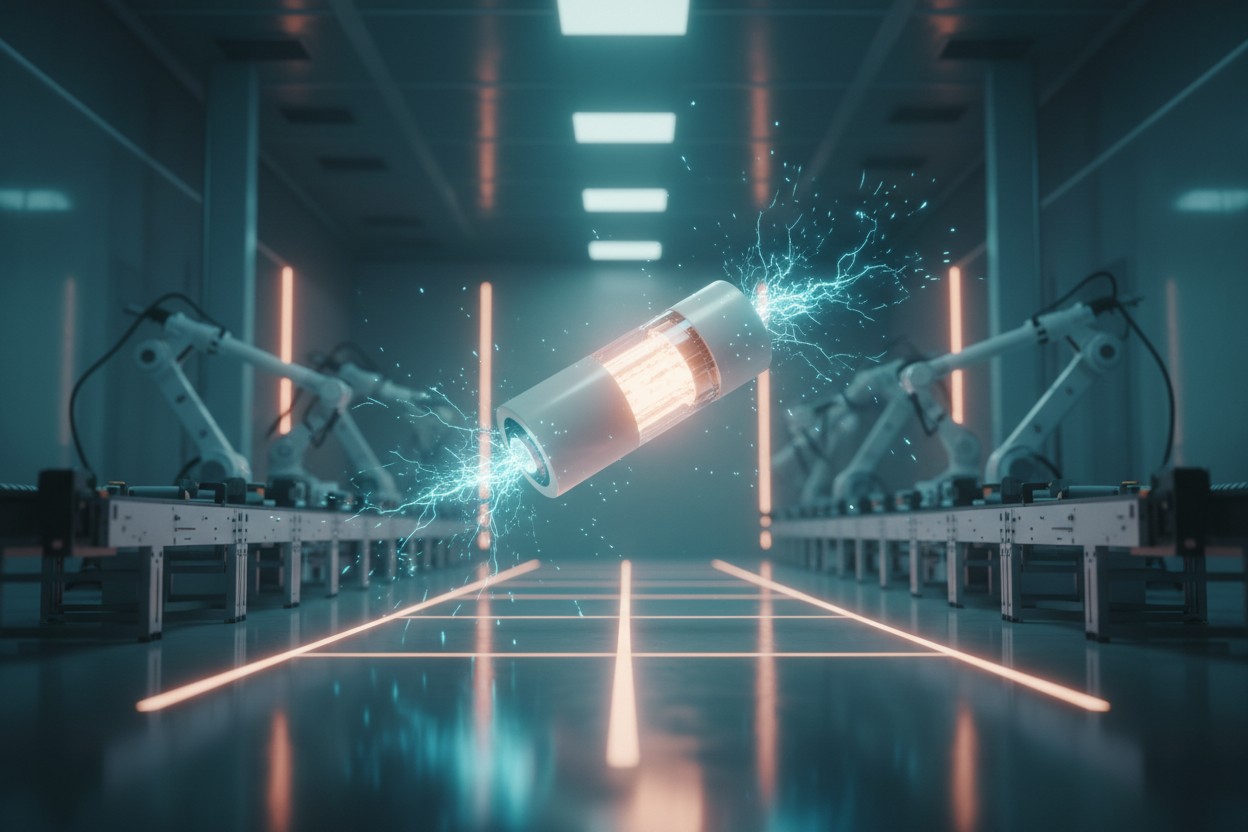
ProLogium Technology announced on September 4, 2026, that it has begun mass production of its next-generation lithium ceramic solid-state battery (LCSSB) at its factory in Taiwan. The new Gen 3.5 battery achieves an energy density of 381 Wh/kg and 903 Wh/L, validated by TÜV and UL Solutions under the GB/T 43568-2026 standard. This move demonstrates the commercial viability of solid-state technology beyond the laboratory, with the company planning to extend its platform to a fully inorganic electrolyte system (Gen 4).
Nagoya University Sets New Record for Solid Electrolyte Conductivity
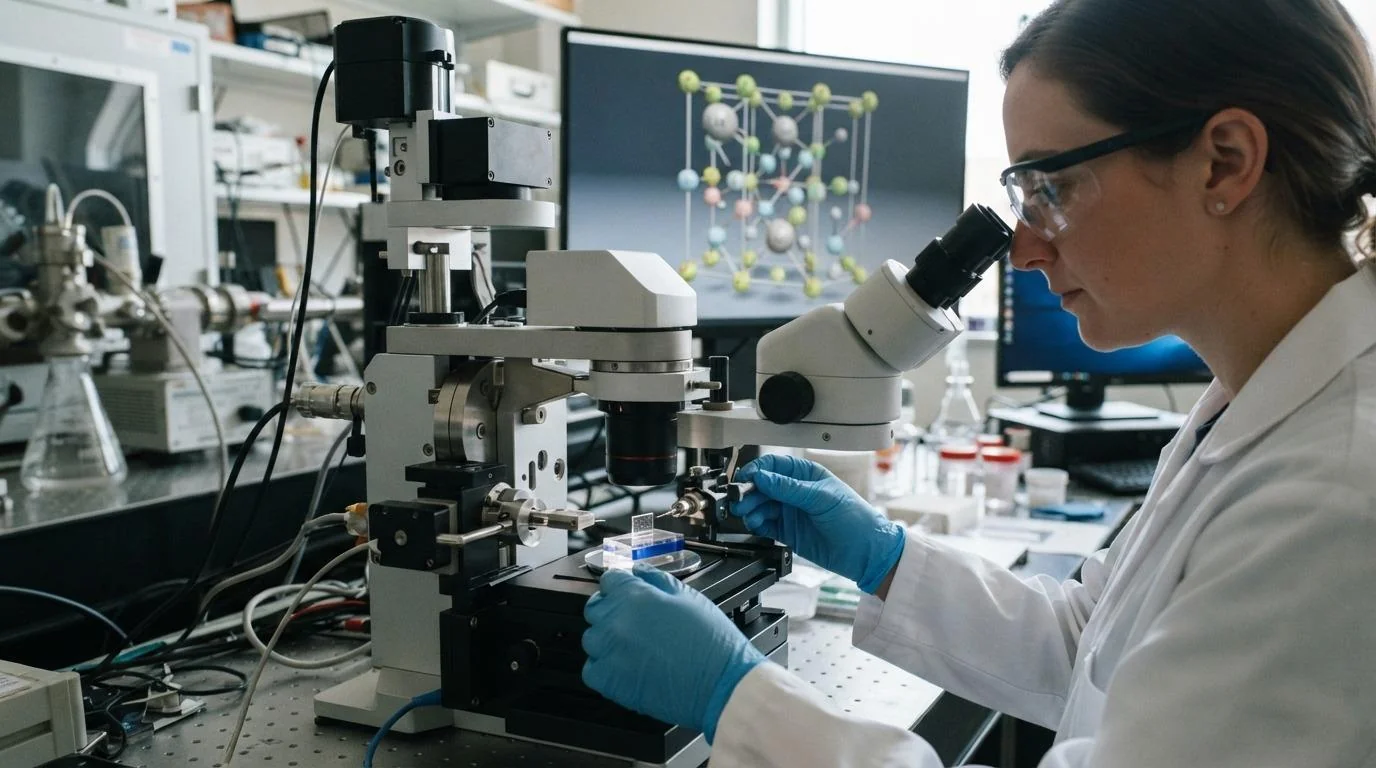
Researchers at Nagoya University in Japan have established an absolute record for conductivity in lithium-ion oxide solid electrolytes, as reported on September 3, 2026. This breakthrough addresses one of the critical bottlenecks in solid-state battery performance, potentially enabling faster charging and higher power output in future cells. The development reinforces Japan’s position in fundamental materials science research for next-generation energy storage.
UNIGRID Completes Sodium-Ion Validation with Hyundai
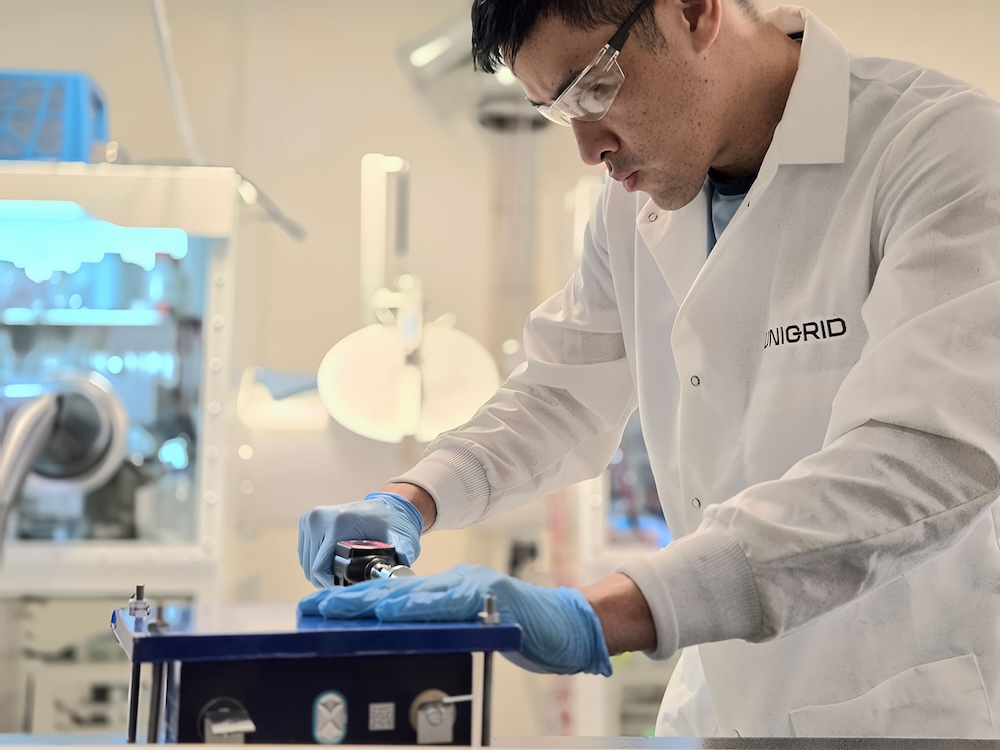
UNIGRID has completed technology validation of its sodium chromium oxide (NCO) sodium-ion cells through Hyundai Motor Group's ZER01NE Accelerator program, announced on September 2, 2026. Hyundai plans to jointly develop a sodium-ion battery energy storage system (BESS) with UNIGRID, signaling growing industry confidence in sodium-ion chemistry for grid-scale applications. This collaboration highlights the shift toward lower-cost, abundant-material alternatives to lithium-ion batteries.
Donut Lab Claims 409 Wh/kg but Faces Credibility Challenges
Donut Lab reported a VTT test result of 409 Wh/kg energy density for its "solid-state" battery on September 2, 2026. However, the company faces scrutiny as its promised Q1 2026 launch has not resulted in any production EVs, raising questions about the commercial readiness and credibility of its claims compared to competitors like ProLogium who have started actual mass production.
Local view
In South Korea, media outlets are closely watching the race between ProLogium and domestic giants like Samsung SDI and LG Energy Solution. The Guru reported on September 4 that ProLogium, backed by Korean investors POSCO and EV Advanced Materials, is leveraging its early mass-production lead to challenge the 2027 targets set by Samsung SDI. Meanwhile, Maeil Business Newspaper notes that while ProLogium leads in initial volume, Korean firms are focusing on scaling up and integrating with major automotive partners like Hyundai and Kia.
Context & numbers
- Energy Density Benchmark: ProLogium’s 381 Wh/kg sets a new commercial benchmark, significantly higher than typical current-generation lithium-ion cells (~250–300 Wh/kg).
- Sodium-Ion Progress: CATL has projected sodium-ion cost parity with LFP by the end of 2026, driving increased interest in alternative chemistries.
- Investment: LG Energy Solution recently invested a record 725.9 billion won in next-gen battery R&D, including solid-state and sodium-ion technologies.
On the radar
- Samsung SDI Timeline: Samsung SDI is targeting mass production of solid-state batteries in the second half of 2027, with samples already receiving positive feedback from global customers.
- Toyota/Idemitsu Plant: The large-scale plant for solid electrolytes by Idemitsu Kosan for Toyota is expected to be completed soon, aiming for EV battery production scale-up in 2027-2028.
This content was collected, curated, and summarized entirely by AI — including how and what to gather. It may contain inaccuracies. Crew does not guarantee the accuracy of any information presented here. Always verify facts on your own before acting on them. Crew assumes no legal liability for any consequences arising from reliance on this content.
Powered by
