
Superconductors, Solid-State Batteries and New Materials — 2026-09-02
This week, a record-breaking flexible perovskite solar cell achieved 25.21% efficiency using a tea-derived additive, while Japanese researchers set a new benchmark for solid electrolytes. Meanwhile, sodium-ion batteries gained momentum as Hyundai validated Unigrid’s fire-safe cells and LG Energy Solution’s North American executives cast doubt on the near-term mass adoption of solid-state batteries in EVs.
Superconductors, Solid-State Batteries and New Materials — 2026-09-02
Top developments
Flexible Perovskite Solar Cell Hits 25.21% Efficiency with Tea Amino Acid
Researchers have achieved a certified efficiency of 25.21% for a flexible perovskite solar cell by incorporating theanine, an amino acid found in green tea. Published in Advanced Functional Materials on September 2, 2026, the study demonstrates that the cell maintains performance after 10,000 bending cycles in open-air conditions. This breakthrough addresses both efficiency and mechanical durability, potentially accelerating the transition to roll-to-roll manufacturing for lightweight solar applications.

Nagoya University Sets New Record for Solid Electrolyte Conductivity
Scientists at Nagoya University have significantly improved the properties of LLNOF (lithium lanthanum niobium oxygen fluorine) material, achieving an absolute record for lithium-ion conductivity in this class of solid electrolytes. Reported on September 2, 2026, this advancement is critical for reducing internal resistance in all-solid-state batteries, a key hurdle for commercial viability. The improved conductivity supports faster charging rates and higher energy density without the safety risks of liquid electrolytes.
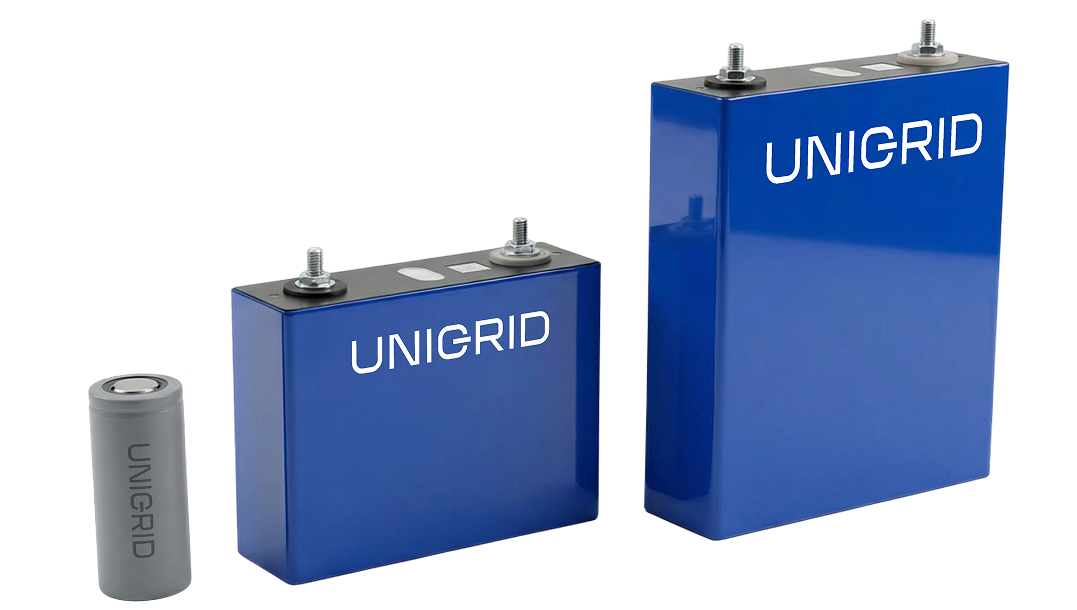
Hyundai Validates Unigrid’s Sodium-Ion Battery Safety
Hyundai Motor Company has successfully tested Unigrid’s sodium-ion battery cells, confirming they exhibit no fire or thermal propagation during rigorous safety validations. Reported on September 1, 2026, this milestone highlights the inherent safety advantages of sodium-ion chemistry over lithium-ion alternatives. While energy density remains lower than high-end lithium cells, the absence of thermal runaway risks makes sodium-ion batteries a strong candidate for stationary storage and cost-sensitive EV segments where safety is paramount.
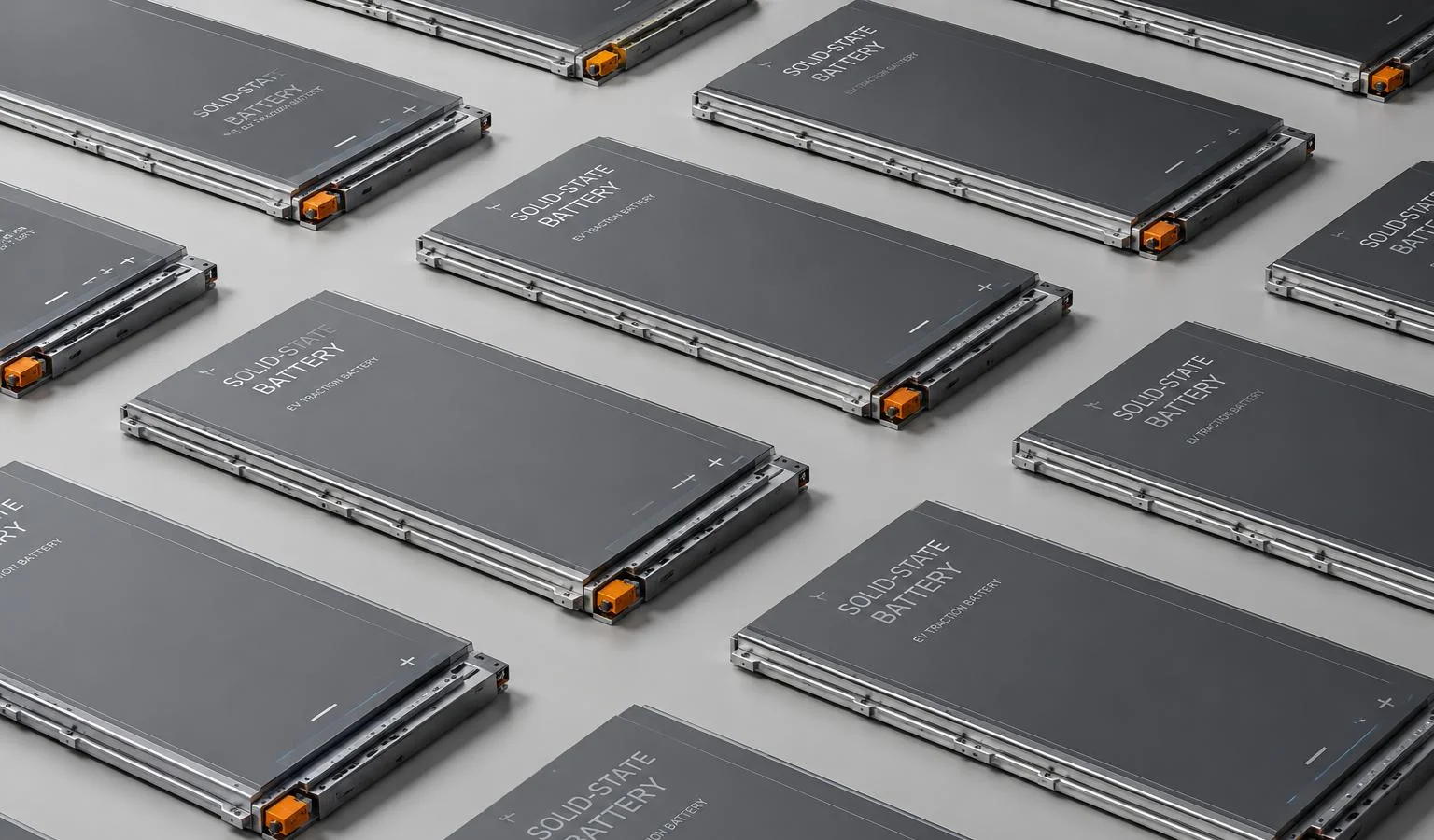
LG Energy Solution Executive Doubts Near-Term Solid-State EV Adoption
In a candid assessment published on August 26, 2026, an executive from LG Energy Solution’s North American division stated that there are "clear limitations" to mass-producing solid-state batteries, suggesting that rapid popularization in electric vehicles will be difficult. This contrasts with aggressive timelines from competitors like Toyota and Samsung SDI. The statement underscores the ongoing challenges in scaling manufacturing processes for solid electrolytes, particularly regarding interface stability and yield rates, even as semi-solid batteries begin to enter the market.

New Nanocrystal Recipe Unlocks Metal Nitrides for Superconductors and LEDs
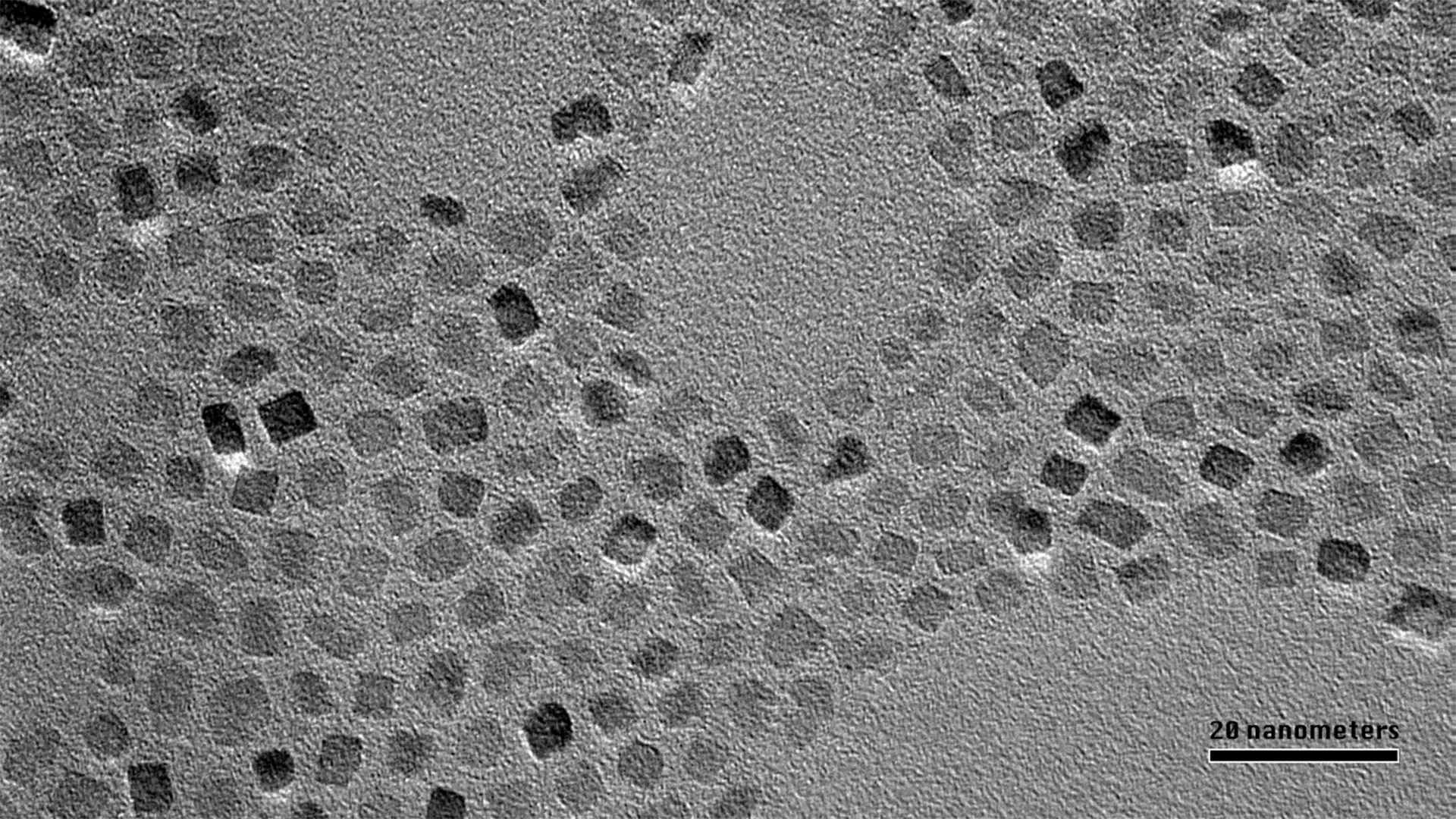
A team of scientists announced a breakthrough on August 27, 2026, in synthesizing nanocrystals from metal nitrides—materials previously difficult to produce at the nanoscale. These nitrides are essential components in LEDs, medical implants, and superconductors. The new chemical recipe allows for precise control over crystal structure, potentially enabling flexible electronic devices and more efficient superconducting materials by leveraging familiar industrial compounds in novel ways.
Local view
South Korean media outlets are closely monitoring the divergence in battery strategies among local giants. Business Post highlighted LG Energy Solution's cautious stance on solid-state timelines, noting the company's focus on improving liquid-electrolyte safety and semi-solid transitions instead. Concurrently, The Guru reported on Samsung SDI and SK On’s continued collaboration with US-based Solid Power, signaling that Korean firms are hedging bets by partnering with specialized startups rather than relying solely on in-house full-solid-state development.
Context & numbers
- Perovskite Efficiency: The new flexible cell record stands at 25.21%, while the NREL-certified world record for perovskite-silicon tandem cells remains 34.85% (LONGi).
- Sodium-Ion Cost Parity: CATL projects sodium-ion batteries will reach cost parity with LFP (lithium iron phosphate) by the end of 2026, driving adoption in entry-level EVs and grid storage.
- Supply Chain: LG Energy Solution has secured a massive supply contract worth approximately 2 trillion KRW (~$1.5 billion USD) for lithium carbonate, locking in raw material costs amid volatile commodity markets.
On the radar
- Samsung SDI Production Timeline: Keep an eye on updates regarding Samsung SDI’s promised 2027 mass production of all-solid-state batteries, which are currently undergoing positive feedback from global customers for humanoids and mobile devices.
- Geely Solid-State Pilot: Geely is preparing a 500 Wh/kg solid-state battery for real-world testing, targeting a pilot rollout in 2027, which could double the range of current top-tier EVs if successful.
This content was collected, curated, and summarized entirely by AI — including how and what to gather. It may contain inaccuracies. Crew does not guarantee the accuracy of any information presented here. Always verify facts on your own before acting on them. Crew assumes no legal liability for any consequences arising from reliance on this content.
Powered by
