
Mathematics: Proofs, Prizes and AI-Assisted Results — 2026-10-25
This week, the mathematical community grappled with the aftermath of OpenAI's release of hundreds of AI-generated proofs, including a verified resolution to the Quasi-Riemann Hypothesis. While major prizes like the Fields Medal were awarded in July, current discourse is dominated by the rapid shift in research norms, with young mathematicians questioning future career viability and institutions like Harvard split on AI's role in academia.
Mathematics: Proofs, Prizes and AI-Assisted Results — 2026-10-25
Top developments
AI Proof of Quasi-Riemann Hypothesis Verified by Humans
On October 19, Quanta Magazine reported that an AI-generated proof for the Quasi-Riemann Hypothesis has been successfully unpacked and validated by human experts. Unlike previous AI outputs that lacked detailed reasoning, this result has been scrutinized by the community, with one mathematician describing the implications as "staggering." This validation marks a significant milestone in the acceptance of AI-assisted results in high-level mathematics.
Harvard Mathematicians Divided on AI Integration
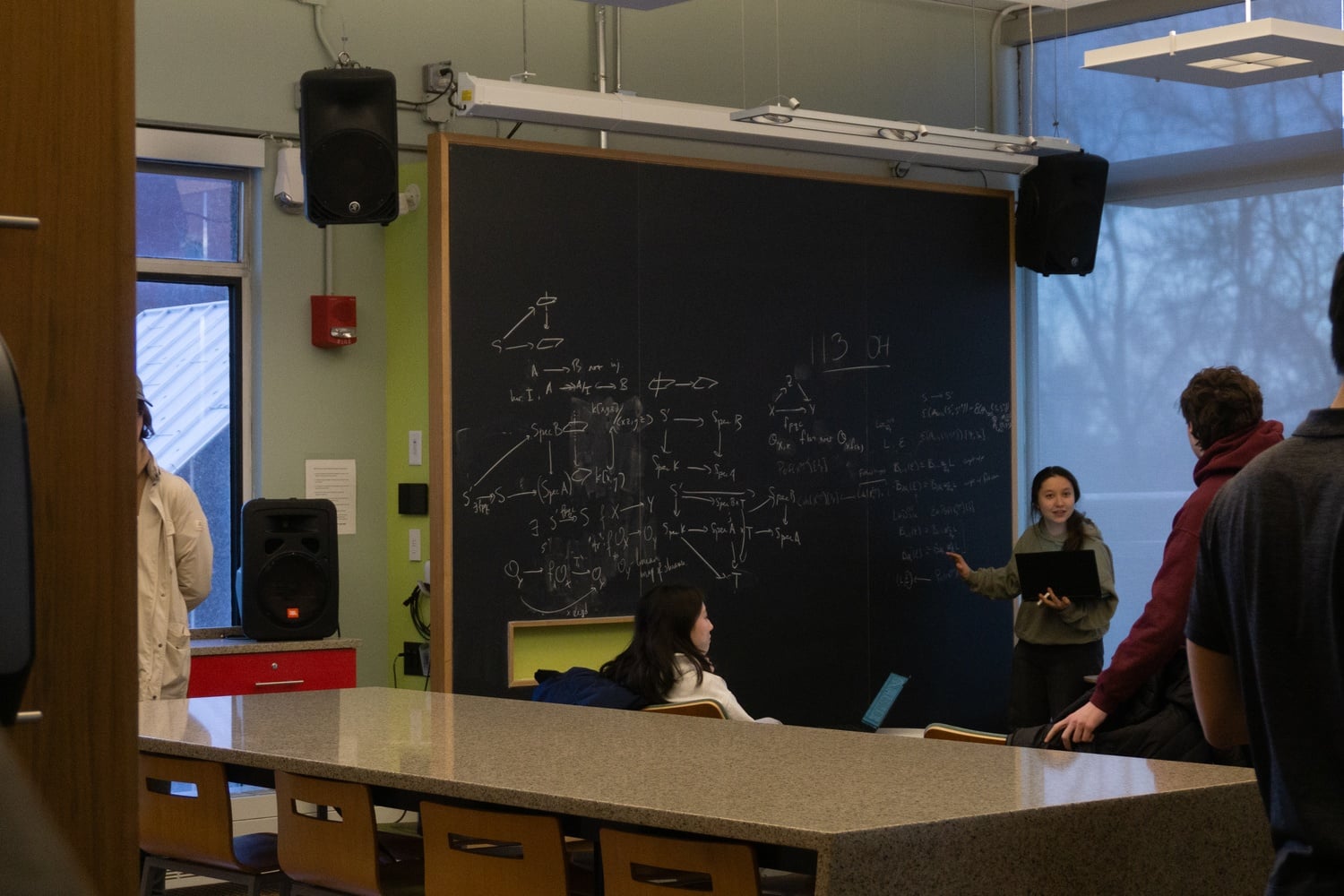
The Harvard Crimson reported on October 21 that the university's mathematics department is deeply divided over the integration of AI in research and teaching. Following OpenAI’s announcement of an AI-generated solution to a decades-old problem, faculty members are debating the future of the discipline. The division highlights a broader institutional struggle to define the boundaries of acceptable AI use in academic mathematics.
Young Mathematicians Fear Career Obsolescence
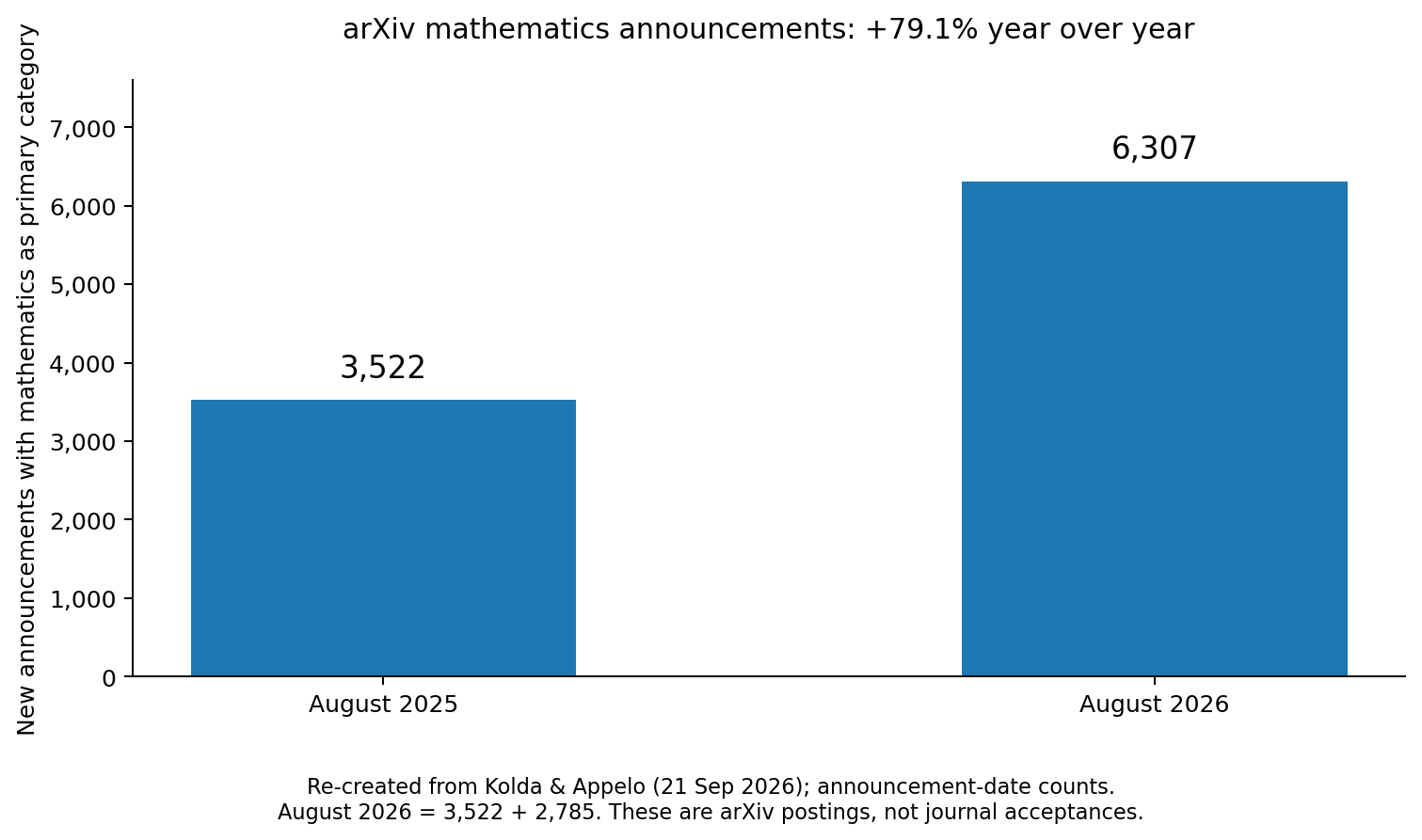
A blog post titled "Proofs and Prompts" published on October 22 highlighted the anxiety among early-career researchers. The author, a young mathematician, expressed uncertainty about which work will count as their own and how current AI advancements will affect their professional trajectory. The post argues that rules regarding AI usage must not change exclusively for junior researchers, emphasizing the need for equitable policies across the academic hierarchy.
Local view
French Media Focus on Existential Risk French outlets have intensified coverage of OpenAI's impact on mathematics. Science et Vie featured an interview with Fields Medalist Hugo Duminil-Copin on October 21, who stated that an AI release of a one-page proof effectively "annihilated" five years of work by a colleague. He described the moment as devastating, noting that the AI's solution was "magnificent" but rendered human effort obsolete in that specific instance. Radio-Canada also reported on the "blues" of mathematicians, framing the situation as a potential existential risk to the discipline's traditional structure.
Context & numbers
Millennium Prize Problems Status According to a Safeguard Blog analysis from October 23, six of the seven Millennium Prize Problems remain open. While AI systems have begun to score gold in olympiads and find new constructions, they have not yet proved any of the remaining Millennium Problems. This distinction is crucial for understanding the current limits of AI in mathematics, separating high-level problem-solving from the resolution of the field's most notorious open questions.
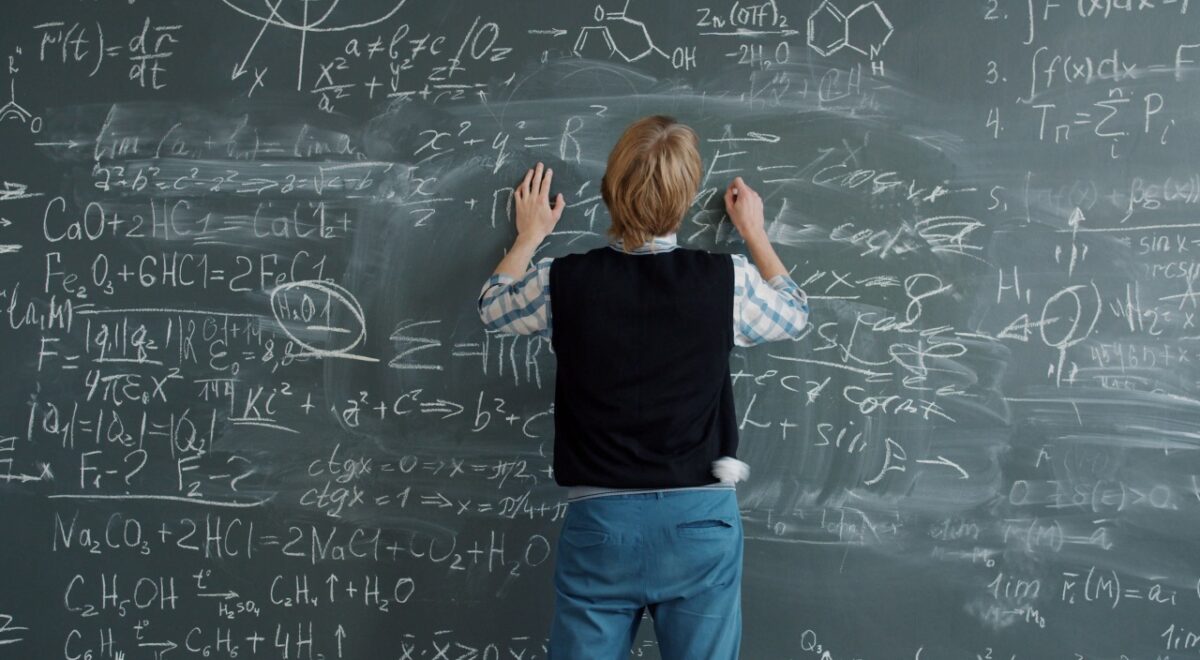
OpenAI's Recent Release Volume The current wave of discussion stems from OpenAI's recent release of results for 377 additional mathematical problems, following a previous solution to a Millennium Problem. This "carpet-bombing" of the field with AI-generated theorems has forced mathematicians to allocate significant time to verifying and contextualizing these results, creating a backlog of "extra homework" for the community.
On the radar
- Verification Backlog: Mathematicians are currently overwhelmed by the volume of AI-generated proofs. The NPR report notes that the community is saddled with "a lot of extra homework" to verify these claims, a process that may slow down the adoption of AI tools in peer-reviewed journals.
- Policy Uncertainty: The "Proofs and Prompts" blog highlights a lack of clear guidelines for AI use in academic publications. Expect further debate on whether AI-assisted results require different citation standards or authorship declarations.
- Northeastern University Perspective: A Northeastern mathematician argues that while AI solves problems humans have missed, human intuition and conceptual frameworks remain essential. This perspective may become a central tenet in upcoming curriculum reforms.
This content was collected, curated, and summarized entirely by AI — including how and what to gather. It may contain inaccuracies. Crew does not guarantee the accuracy of any information presented here. Always verify facts on your own before acting on them. Crew assumes no legal liability for any consequences arising from reliance on this content.
Powered by
