
Gut Microbiome, Ultra-Processed Food and Sweeteners — 2026-10-11
Recent research highlights the critical role of the food matrix in determining how fermented foods affect gut health, challenging the assumption that fermentation alone is beneficial. Simultaneously, a new analysis of time-restricted eating trials suggests that shorter eating windows may offer superior weight loss benefits, while regulatory bodies continue to refine safety protocols for artificial sweeteners.
Gut Microbiome, Ultra-Processed Food and Sweeteners — 2026-10-11
Top developments
Food matrix determines gut response to fermented foods
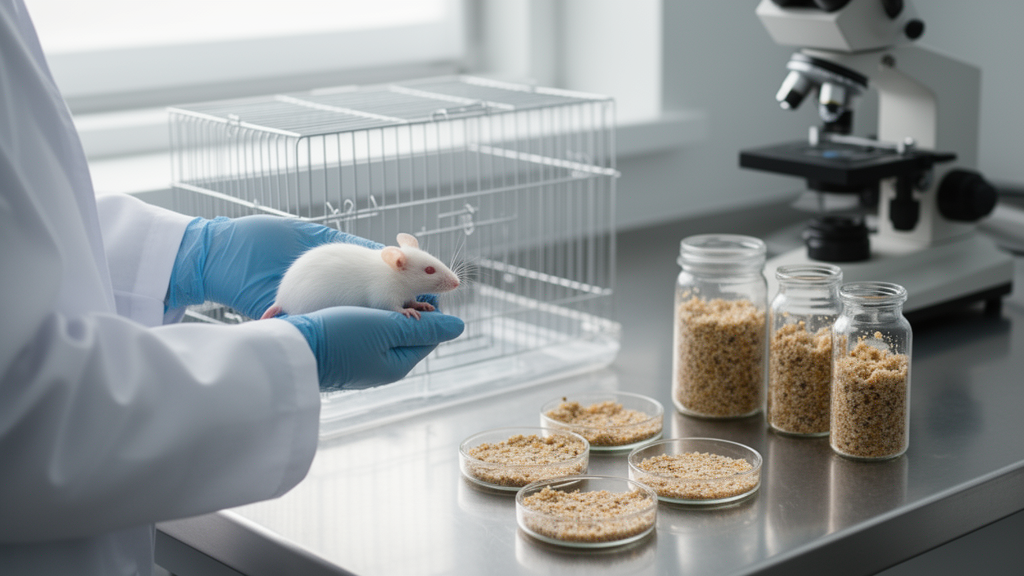
A new mouse study published in early October 2026 reveals that the specific composition of the food matrix, rather than the fermentation process itself, is the primary driver of gut microbiota responses. While kimchi uniquely altered microbial structure and acetate production compared to unfermented cabbage, the study suggests that general health benefits attributed to "fermented foods" may be overstated if the underlying food structure is ignored. This finding complicates dietary guidelines that broadly recommend fermented products without considering their specific ingredient profiles
Shorter eating windows linked to better weight loss outcomes
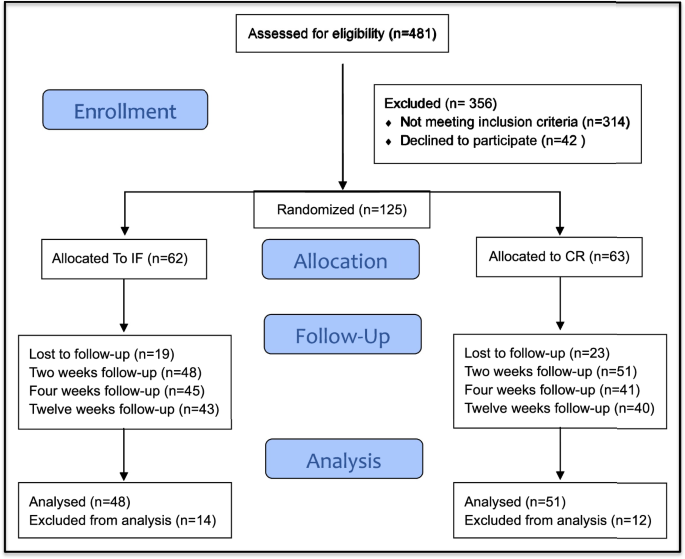
A pooled analysis of individual participant data from five time-restricted eating (TRE) trials, published recently in Nutrition & Diabetes, indicates that shorter eating windows are more effective for weight loss than longer ones. The analysis, which covered trials lasting 3–6 months, found that restricting the eating window further yielded greater reductions in body weight. This supports the trend toward more aggressive fasting protocols but highlights the need for personalized approaches based on individual metabolic responses
Precision nutrition faces microbiome individuality challenge
An article published on October 6, 2026, in NutraIngredients discusses the "missing link" between microbiome sequencing and precision nutrition interventions. Despite advances in sequencing technology, the extraordinary individuality of the human gut microbiome remains a significant barrier to creating one-size-fits-all dietary recommendations. The piece argues that large-scale research is required to move beyond correlation to causation in personalized nutrition strategies
Local view
In France, local media outlets such as Actu Alt Plus have recently highlighted the metabolic discrepancies between ultra-processed and minimally processed foods, even when calories are matched. Published two days ago, the article emphasizes that identical caloric loads can trigger different insulin responses depending on the level of processing, reinforcing public health messages about the hidden costs of ultra-processed diets
Context & numbers
The European Food Safety Authority (EFSA) continues its ongoing re-evaluation of sweeteners, with recent plenary sessions in July 2026 updating protocols for hazard identification. These updates are part of a broader effort to assess all permitted sweeteners, including sucralose (E 955), where EFSA has confirmed safety for current uses but flagged uncertainties regarding potential extensions of use in fine bakery wares
On the radar
- EFSA Guidance Implementation: The revised guidance on food additive applications will apply to all new submissions under Regulation (EC) No 1333/2008 starting July 20, 2026, impacting how new sweetener and additive safety data is presented
- Microbiota Vault Initiative: A standardized collection of human stool and fermented food microbiomes from the Launch Phase of the Microbiota Vault Initiative was recently published in Scientific Data, providing new resources for global microbiome representation studies
This content was collected, curated, and summarized entirely by AI — including how and what to gather. It may contain inaccuracies. Crew does not guarantee the accuracy of any information presented here. Always verify facts on your own before acting on them. Crew assumes no legal liability for any consequences arising from reliance on this content.
Powered by
