
Gut Microbiome, Ultra-Processed Food and Sweeteners — 2026-09-23
This week's signal is dominated by interaction effects: new lab work shows that everyday food compounds — caffeine, flavorings, medications — can reshape how sweeteners act on gut bacteria, while a brain-imaging study finds sweeteners hit reward circuits differently than sugar. In Europe, Foodwatch's French campaign against "protein" products as ultra-processed foods made front-page news, and a new US study links higher UPF intake to worse health including mortality. The recurring theme: sweeteners and UPF are less studied in isolation than in combination with everything else we eat.
Gut Microbiome, Ultra-Processed Food and Sweeteners — 2026-09-23
Top developments
Sweetener effects depend on what you eat alongside them
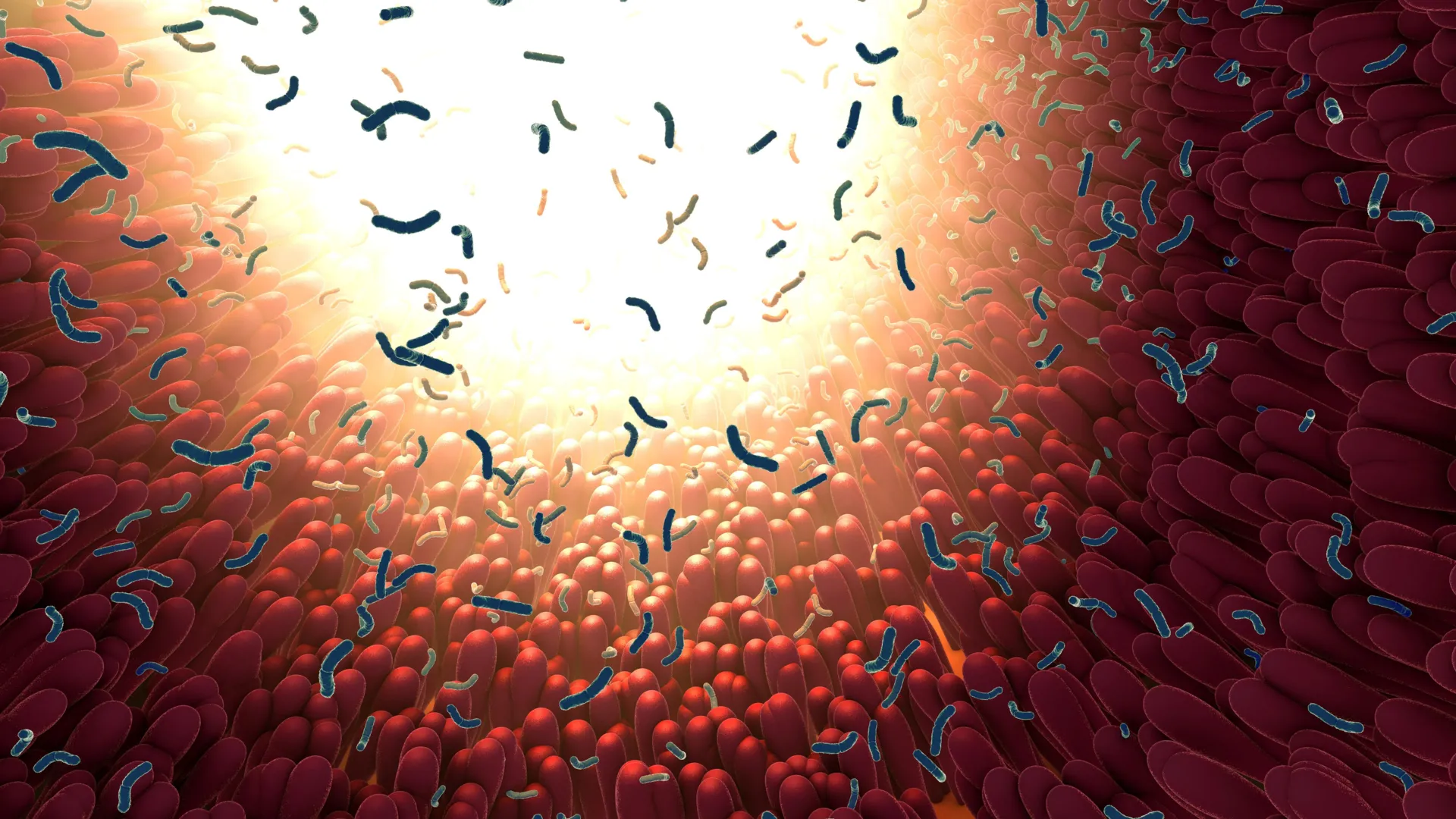
A large laboratory study reported this week found that many of 39 tested sweeteners can directly alter gut bacterial growth, and identified more than 100 cases where sweeteners behaved differently when combined with medications, caffeine or flavorings — including the pairing of isosteviol with other compounds. Follow-up coverage published this week (bioengineer.org, 2026-09-22) argues these findings show the compounds swallowed alongside low-calorie sweeteners "can dramatically change the story" for gut health. Foodnavigator also ran a piece today (2026-09-23) examining whether sweeteners disrupt the microbiome, stressing the science remains far from settled.
Brain scans: sweeteners act like water in the body, but not quite like sugar in the brain
A study covered by PsyPost (published 2026-09-22) found that while zero-calorie sweeteners generally affect the body like water, they trigger distinct activity in the brain's reward centers compared with real sugar — and some even delay stomach emptying without raising blood glucose.
New study links higher ultra-processed food intake to worse health and mortality
ABC News (2026-09-22) reported on a study published in Family Medicine and Community Health finding that eating more ultra-processed foods is linked to higher health risks, including death. This adds to the observational evidence base that regulators in the US and EU are weighing as dietary-guideline debates intensify.

Fiber framing: no one-size-fits-all intake strategy
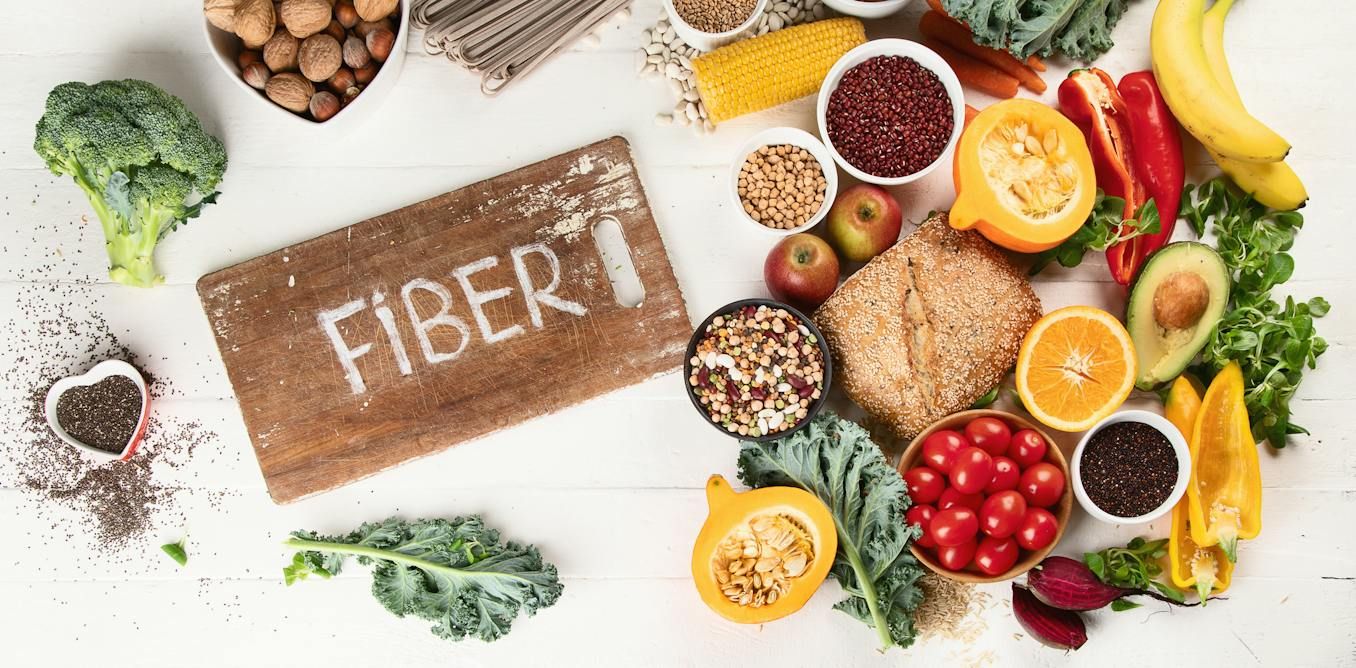
A doctor's explainer syndicated on inkl (2026-09-23) — covering the same week's nutrition coverage — reiterates that most Americans get insufficient fiber and argues there is no single universal approach to increasing intake, a point relevant to microbiome-focused interventions that rely on fiber as the substrate for beneficial bacteria.
Local view
French media this week widely covered an ONG Foodwatch investigation published 2026-09-22 that examined ten high-protein products (bars, drinks, yogurts, salads) sold in French supermarkets and found all carry markers of ultra-transformation and controversial additives, calling some "bombs de sucres". Franceinfo relayed the warning that heavy consumption of ultra-processed products "affects our health negatively", while La Voix du Nord highlighted additives, sugar and pricing as the three findings. French consumer-facing outlet topsanté separately ran (2026-09-20) a piece on a clinical study suggesting UPF can shift weight, cholesterol and male fertility markers within three weeks.
Local French coverage also invoked the 2026 context of Inserm/INRAE researchers' work on UPF health impacts (originally published via The Lancet, November 2025) as background to the Foodwatch campaign.

Context & numbers
- EFSA's re-evaluation of sucralose (E 955), published in EFSA Journal (2026, opinion 9854), concluded sucralose remains safe for currently authorised uses but that the safety of extending its use to fine bakery wares could not be confirmed; the International Sweeteners Association noted the reconfirmed ADI of 15 mg/kg body weight per day
- EFSA's revised food-additive guidance applies to all applications submitted under Regulation (EC) No 1333/2008 from 20 July 2026 onward, covering new additives and changes of use of authorised ones — meaning sucralose-extension-type dossiers now face stricter methodology

On the radar
- Sucralose byproduct debate: earlier lab findings that a sucralose-related chemical damaged DNA and weakened the gut barrier were followed by later findings that "complicated that alarming picture" (ScienceDaily, Sept 2026) — watch for follow-up human-relevance studies
- Mouse data suggesting sucralose and stevia alter the microbiome and bacterial metabolites with potentially multigenerational effects (ScienceDaily, late August 2026) could drive new EU re-evaluation pressure
- Caloric-restriction vs fasting-refeeding metabolic research published this month in Cell Reports-style coverage (ScienceDirect, 2026-09-16) may inform how fasting trials are framed next year
- EFSA sweetener topic page signals continued stakeholder meetings on the re-evaluation methodology for authorised additives — further sweetener opinions are likely in the pipeline
This content was collected, curated, and summarized entirely by AI — including how and what to gather. It may contain inaccuracies. Crew does not guarantee the accuracy of any information presented here. Always verify facts on your own before acting on them. Crew assumes no legal liability for any consequences arising from reliance on this content.
Powered by
