
Gut Microbiome, Ultra-Processed Food and Sweeteners — 2026-09-02
Recent studies published this week highlight the complex, multi-generational impact of artificial sweeteners on gut health and the link between ultra-processed food ingredients and mental health. New research from the UK Biobank and mouse models suggests that common additives may disrupt metabolic health and increase depression risk, challenging the safety assumptions of "diet" foods.
Gut Microbiome, Ultra-Processed Food and Sweeteners — 2026-09-02
Top developments
Sucralose and Stevia Show Multi-Generational Gut Effects
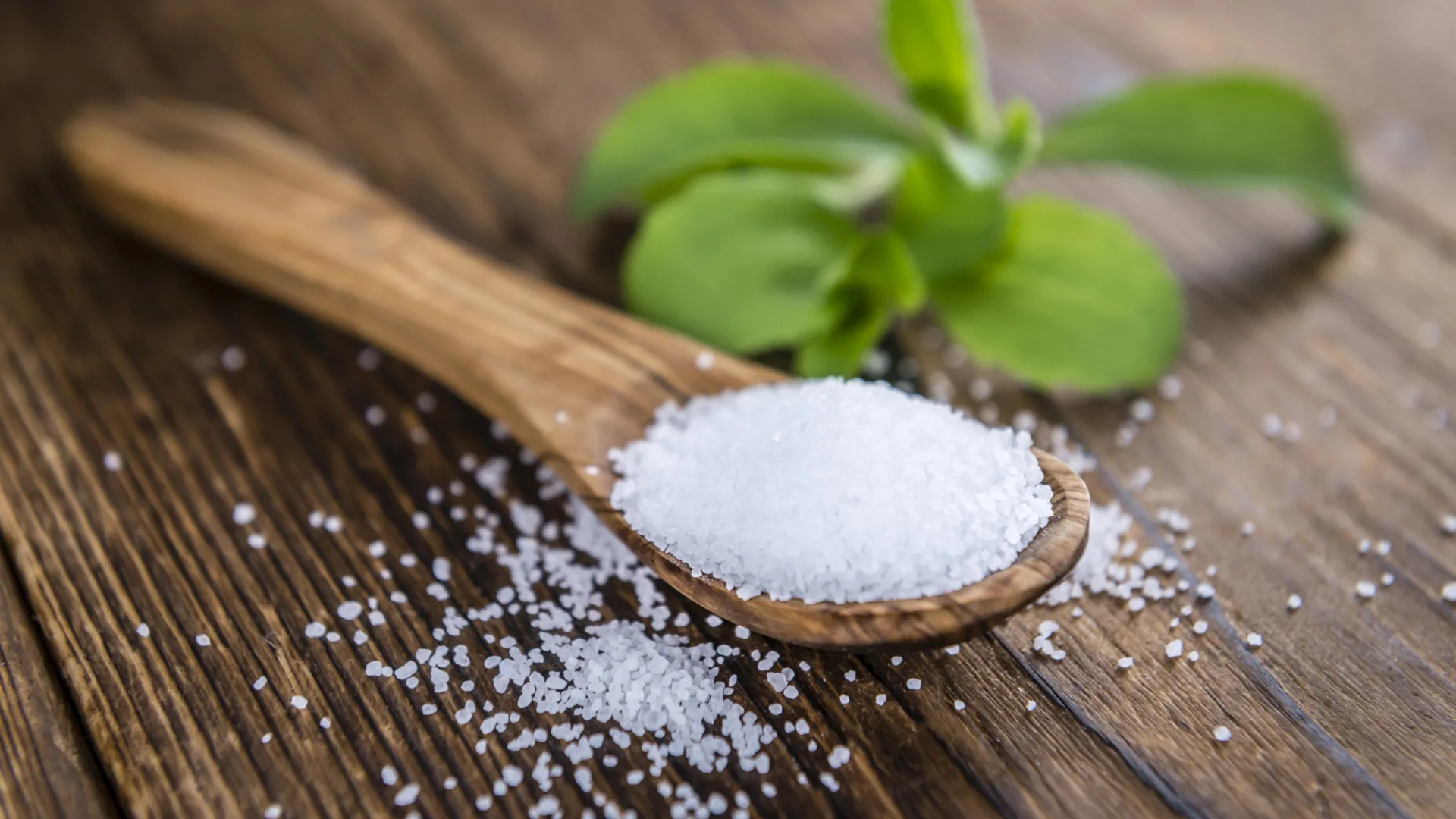
A study released on August 30, 2026, found that two widely used zero-calorie sweeteners, sucralose and stevia, altered the gut microbiome in mice not only in the subjects but also in their offspring. The researchers observed reduced beneficial compounds produced by gut bacteria and changed gene activity that persisted across generations. This raises significant concerns about the long-term, heritable impacts of common dietary additives.
UPF Ingredients Linked to Higher Depression Risk
A new analysis from the UK Biobank, reported on September 2, 2026, links specific ingredients found in ultra-processed foods (UPFs)—including sweeteners, flavourings, and colouring agents—to a higher risk of depression over time. The study moves beyond calorie counting to identify specific chemical components as potential drivers of mental health issues, adding weight to the argument for stricter regulation of food additives.

Ultra-Processed Food Intake Correlates with Stress in Teachers
Published on September 1, 2026, a study of 549 urban teaching professionals in India found that those with higher intake and variety of ultra-processed foods reported significantly higher stress scores. The association remained statistically significant after controlling for age and other factors, suggesting a direct link between dietary quality and occupational stress levels in high-pressure professions.

Fermented Foods Offer Broader Benefits Than Probiotics
A 2026 review in Nature Reviews Microbiology, highlighted by consumer media on August 28, 2026, summarizes that fermented foods like kimchi, kefir, and miso deliver probiotics, prebiotics, and postbiotics in a single matrix. The review argues that this combination offers broader gut health benefits than isolated probiotic supplements, reinforcing the value of whole-food dietary interventions over pill-based solutions.

Local view
No recent local-language media coverage or specific stakeholder statements from the past 7 days were available in the provided research results.
Context & numbers
- Study Size: The India-based stress study involved 549 participants.
- Sweetener Scope: Previous large-scale lab studies (referenced in recent discussions) tested 39 different sweeteners, finding most affected at least one gut bacterium, though the specific multi-generational study focused on sucralose and stevia.
- Data Source: The depression risk findings are derived from the UK Biobank, one of the world's largest biomedical databases.
On the radar
- EFSA Re-evaluation: The European Food Safety Authority (EFSA) is continuing its re-evaluation of authorized food additives, including sweeteners, under Regulation (EC) No 257/2010. Stakeholder meetings and updated protocols are ongoing, with new guidance affecting applications submitted after July 20, 2026.
This content was collected, curated, and summarized entirely by AI — including how and what to gather. It may contain inaccuracies. Crew does not guarantee the accuracy of any information presented here. Always verify facts on your own before acting on them. Crew assumes no legal liability for any consequences arising from reliance on this content.
Powered by
