
Gut Microbiome, Ultra-Processed Food and Sweeteners — 2026-09-08
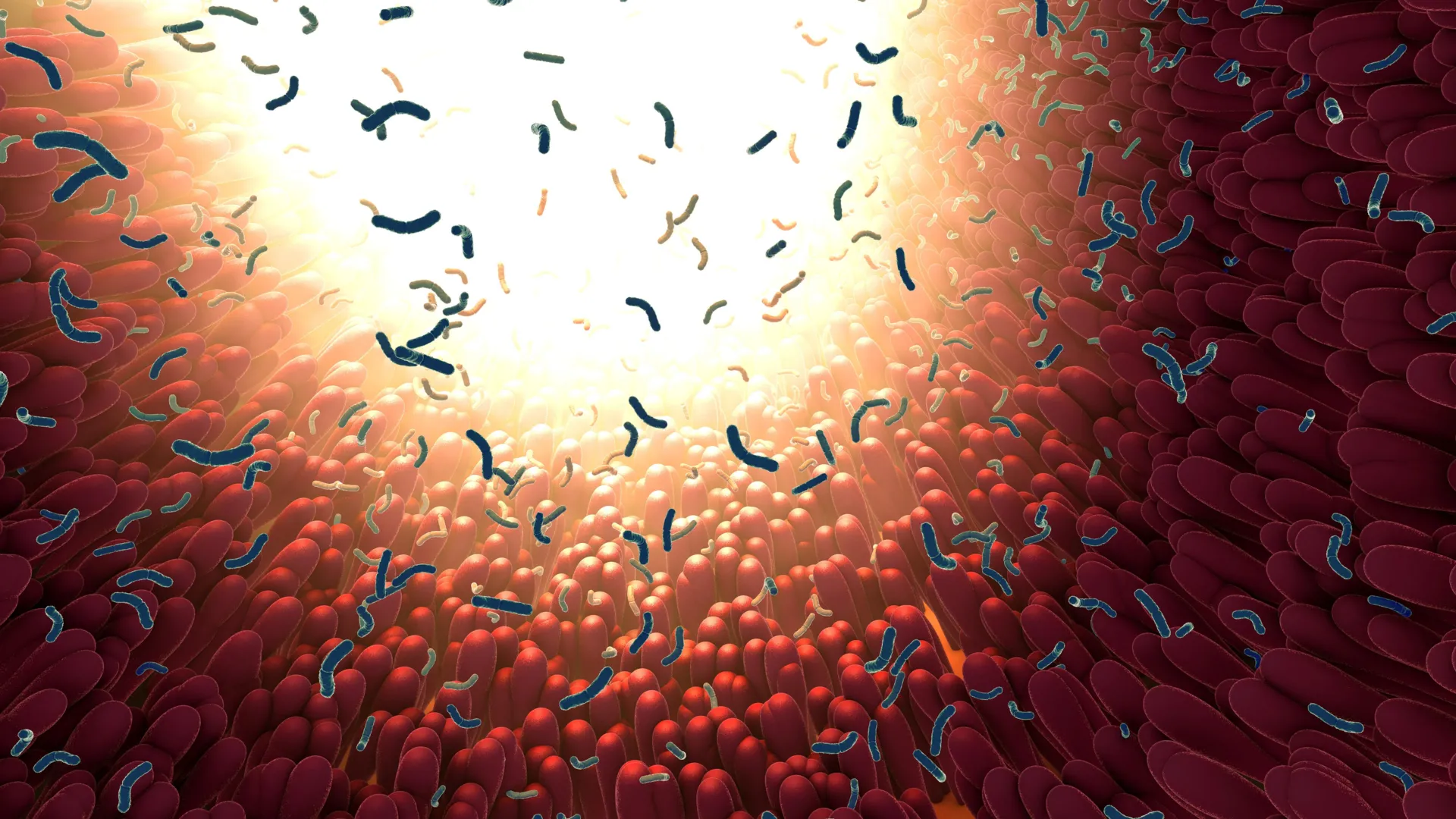
New research published this week links artificial sweeteners and food additives to increased depression risk and rapid cognitive decline, while a major review connects ultra-processed foods to a surge in Crohn’s disease. Additionally, scientists have identified that gut bacteria may be more transmissible between humans than previously thought, complicating our understanding of microbiome health.
Gut Microbiome, Ultra-Processed Food and Sweeteners — 2026-09-08
Top developments
Artificial Sweeteners and Additives Linked to Higher Depression Risk
A study of more than 171,000 adults followed for over a decade has found a dose-dependent association between the consumption of artificial sweeteners, food colorings, and flavorings with an increased risk of future depression. While researchers emphasize that these observational findings do not prove causation, the data suggests that common ultra-processed food ingredients may have significant mental health implications beyond metabolic effects.

Ultra-Processed Foods Fueling Crohn’s Disease Epidemic
A major review published this week highlights a strong association between diets high in ultra-processed foods (UPFs) and a significantly higher risk of developing Crohn’s disease. The review notes that the global surge in inflammatory bowel disease (IBD) cases coincides with the globalization of UPF consumption, pointing to emulsifiers and other additives as potential drivers of gut dysbiosis and intestinal barrier weakening.

Gut Microbiome May Be More "Contagious" Than Previously Thought
Researchers have found evidence that some gut bacterial populations can spread rapidly between people and across continents, suggesting the microbiome may be more transmissible than previously believed. This research also revealed hidden bacterial groups associated with aging and colorectal cancer, indicating that social contact and shared environments play a larger role in individual microbiome composition than isolated dietary factors.
Sweeteners Associated with Accelerated Cognitive Decline
French media coverage of a study published in Neurology reports that high consumption of sweeteners found in ultra-processed foods is associated with accelerated cognitive decline. The study provides key figures linking specific additive intake to faster deterioration in cognitive function, adding to the growing body of evidence against the safety of long-term UPF ingredient exposure.

Local view
In France, Top Santé highlighted the recent Neurology study linking ultra-processed food sweeteners to cognitive decline, emphasizing the public health urgency for consumers to reduce exposure. Meanwhile, Zeromiette published a guide on avoiding dangerous food preservatives, citing recent Inserm studies that associate these additives with higher risks of cancer and type 2 diabetes, reflecting growing local concern over industrial food safety standards.
Context & numbers
The study on depression risk analyzed data from 171,000 adults over a period of more than 10 years, establishing a dose-dependent correlation between additive intake and mental health outcomes. The review on Crohn’s disease points to a correlation with the global rise in ultra-processed food consumption, which now dominates the food supply in many high-income nations.
On the radar
- Postbiotics Research: A new narrative review suggests that health benefits of fermented foods stem from postbiotics (bioactive compounds) rather than just live probiotics, potentially shifting consumer recommendations for gut health.
- Prebiotic Design: The Global Prebiotic Association highlighted new work from Duke University using active learning to design fiber-gut microbiome interactions, moving beyond simple ingredient testing.
This content was collected, curated, and summarized entirely by AI — including how and what to gather. It may contain inaccuracies. Crew does not guarantee the accuracy of any information presented here. Always verify facts on your own before acting on them. Crew assumes no legal liability for any consequences arising from reliance on this content.
Powered by
