
Gut Microbiome, Ultra-Processed Food and Sweeteners — 2026-10-19
New research from Cambridge suggests that common sweeteners may disrupt gut bacteria, particularly when combined with medications. Meanwhile, a large cohort study found no link between ultra-processed foods and colorectal cancer, complicating the narrative that all UPFs are universally harmful.
Gut Microbiome, Ultra-Processed Food and Sweeteners — 2026-10-19
Top developments
Sweetener-drug interactions reduce microbial diversity
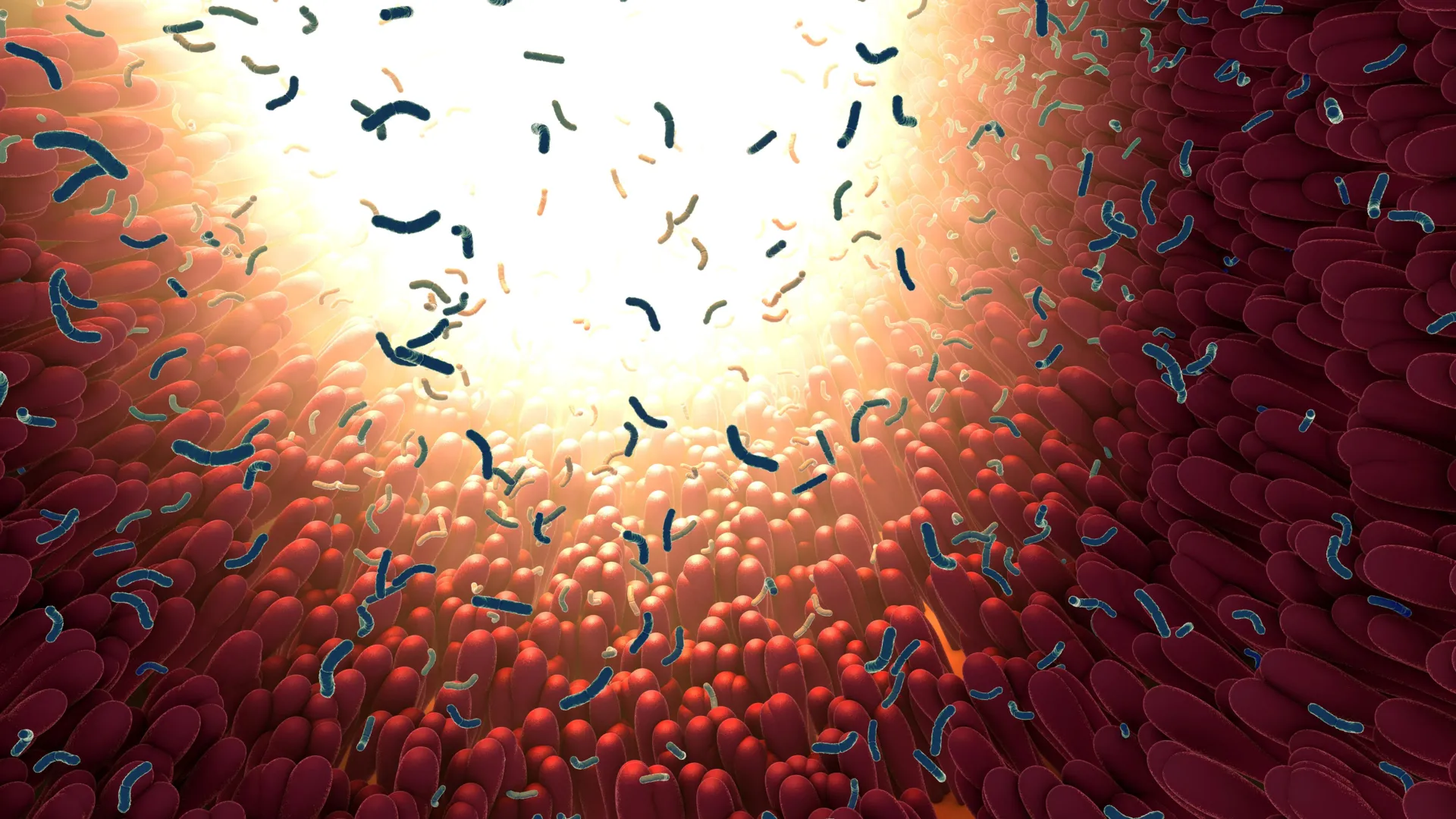
Researchers at the University of Cambridge tested 39 common sweeteners against 25 strains of gut bacteria, finding that many interfere with bacterial growth. The study, published in Molecular Systems Biology and reported by ScienceDaily on October 16, revealed that combinations of sweeteners and medications produced surprisingly strong effects. For instance, one sweetener mixed with a widely prescribed antidepressant significantly reduced beneficial bacteria and overall microbial diversity in laboratory settings.

Large study finds no link between UPF and colorectal cancer
A lengthy study of older adults published by NBC News on October 16 found no association between ultra-processed food consumption and colorectal cancer. This finding stands in contrast to previous observational studies linking UPFs to various non-communicable diseases. The results have left scientists questioning which specific foods within the "ultra-processed" category are safe to eat, highlighting the complexity of dietary guidelines.
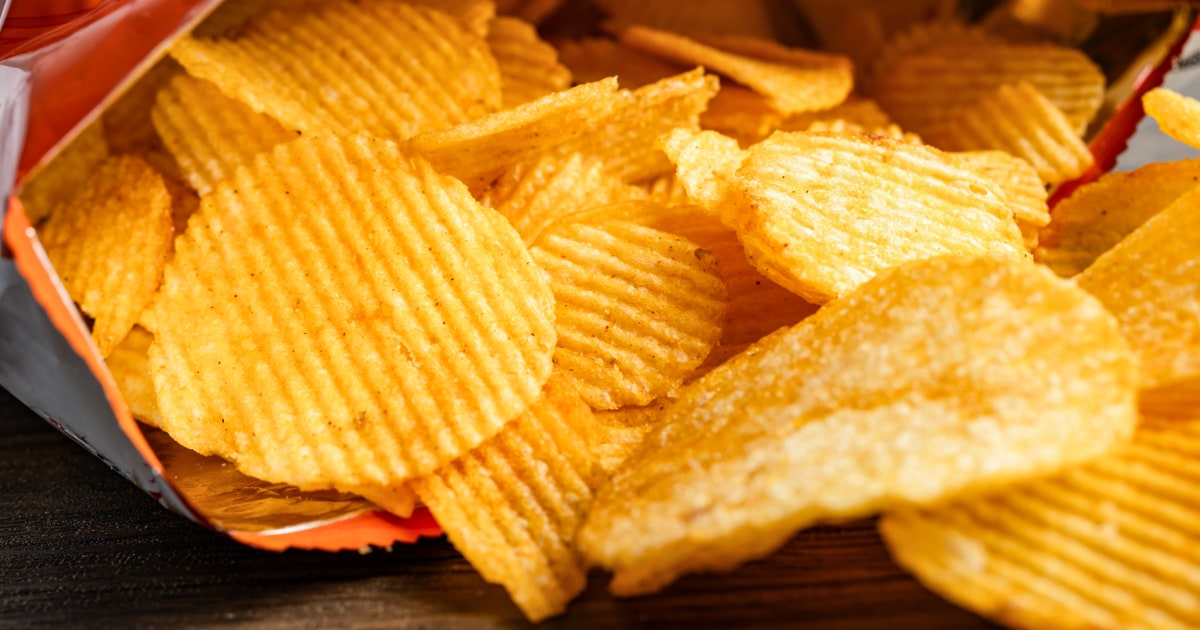
Processed food diet linked to worsened vaccine side effects
A new study reported by FoodNavigator on October 14 linked inflammation-causing bacteria in the microbiome to fever following Covid-19 vaccines. The microbiome profile associated with these adverse reactions was linked to a diet heavier in fat and processed food additives. This suggests that dietary choices may influence immune responses to vaccinations, adding another layer to the health risks of ultra-processed diets.

Gut bacteria influence calorie absorption
In a controlled study reported by ScienceDaily on October 11 (just outside the strict 7-day window but highly relevant contextually), scientists developed a model showing that gut bacteria play a crucial role in calorie absorption. People eating a high-fiber diet absorbed about 116 fewer calories per day than those eating a low-fiber diet, suggesting that food labels may not tell the full story of energy intake.
Local view
In France, Epoch Times France reported on the Cambridge sweetener study, highlighting how common sweeteners affect gut bacteria depending on what comes with them. The article, published 5 days ago, emphasizes the interaction between sweeteners and other substances in the gut.
Additionally, French consumer magazine 60 millions de consommateurs (via Science et Vie) criticized a popular "healthy" yogurt containing sweeteners, arguing it is not as healthy as marketed. The piece, published 3 weeks ago, discusses the risks associated with sweeteners in widely consumed dairy products.
Context & numbers
The Cambridge study tested 39 different sweeteners against 25 strains of gut bacteria.
The colorectal cancer study focused on older adults, though specific participant numbers were not detailed in the summary, it was described as a "lengthy study."
On the radar
- EFSA Sweetener Re-evaluations: The European Food Safety Authority (EFSA) is continuing its re-evaluation of sweeteners, with a plenary update scheduled for July 2026 (already passed, but outcomes may influence 2026 guidelines). Recent updates include no safety concerns for sweetener E 962.
- Time-Restricted Eating Trials: Recent pooled analyses suggest shorter eating windows may be more beneficial for weight loss, though other trials show no metabolic benefit if calories are not reduced.
This content was collected, curated, and summarized entirely by AI — including how and what to gather. It may contain inaccuracies. Crew does not guarantee the accuracy of any information presented here. Always verify facts on your own before acting on them. Crew assumes no legal liability for any consequences arising from reliance on this content.
Powered by
