
Gut Microbiome, Ultra-Processed Food and Sweeteners — 2026-09-10
Recent research highlights the transmissibility of gut microbiomes and the persistent metabolic effects of common sweeteners like sucralose and stevia. New studies link ultra-processed food additives, specifically emulsifiers, to colorectal cancer risks, while French media reports connect artificial sweeteners to accelerated cognitive decline and cardiovascular issues.
Gut Microbiome, Ultra-Processed Food and Sweeteners — 2026-09-10
Top developments
Gut Microbiome Transmissibility Revealed
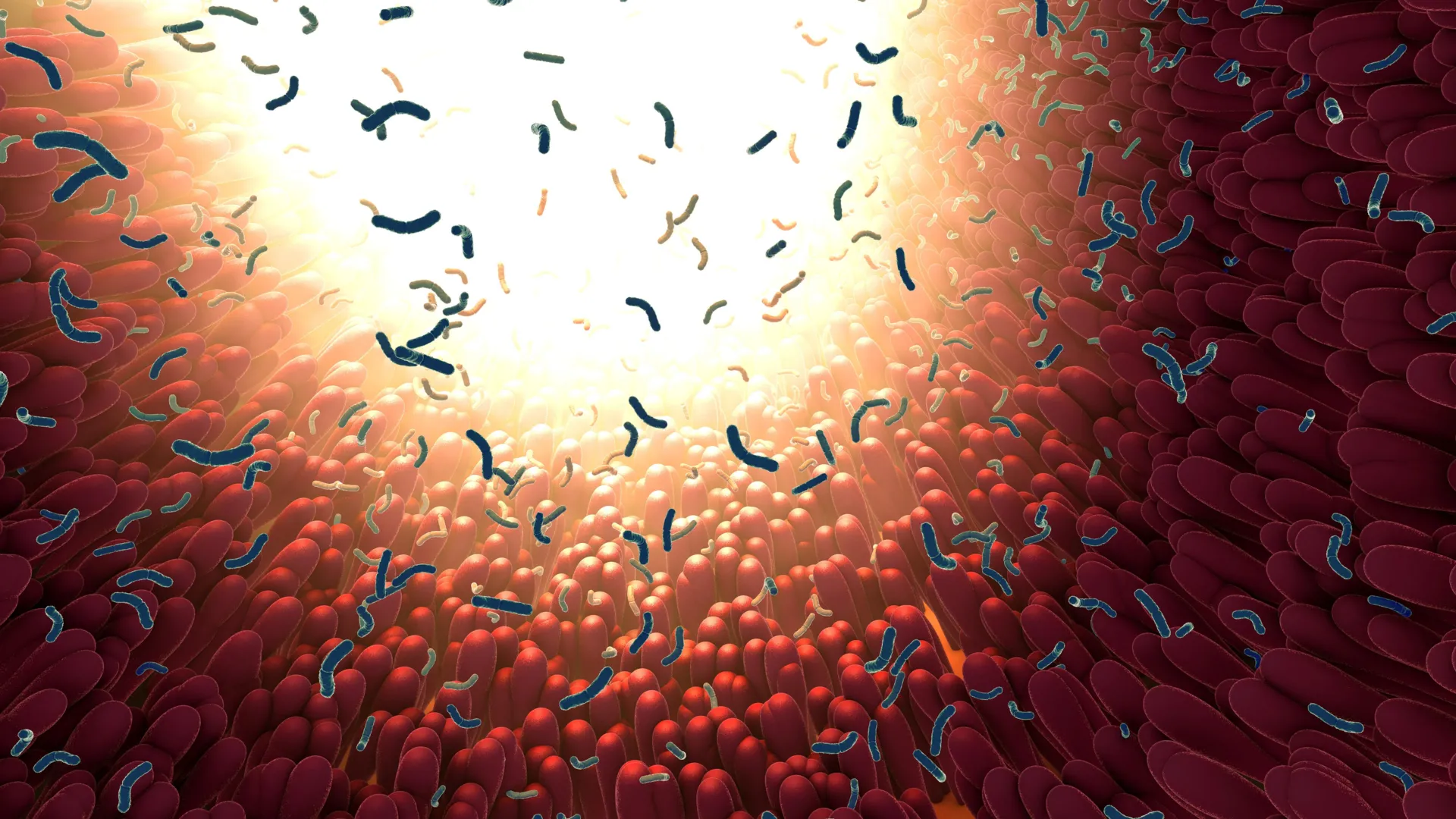
Scientists have discovered evidence that certain gut bacterial populations can spread rapidly between individuals and even across continents, suggesting the human microbiome is more transmissible than previously understood. The research also identified hidden bacterial groups associated with aging and colorectal cancer, challenging previous assumptions about the stability and isolation of individual gut ecosystems. This finding could reshape public health strategies regarding infectious disease vectors and chronic conditions.
Emulsifiers in Ultra-Processed Foods Linked to Cancer Risk
A new analysis suggests that emulsifiers, widely used in ultra-processed foods to improve texture and shelf life, may disrupt gut bacteria and increase the risk of colorectal cancer. These additives are ubiquitous in products like ice cream, salad dressings, and packaged breads. The study indicates that the disruption of the gut barrier by these emulsifiers is a key mechanism linking ultra-processed food consumption to inflammatory bowel diseases and cancer.

Sucralose and Stevia Show Multi-Generational Effects
Research published recently indicates that sucralose and stevia, two of the most popular zero-calorie sweeteners, alter the gut microbiome in ways that persist for generations. In mouse models, these sweeteners reduced beneficial compounds produced by gut bacteria and changed gene activity, with effects passing from mothers to offspring. This raises concerns about the long-term metabolic safety of common diet sodas and sugar-free snacks.

Fermented Foods' Benefits Tied to Postbiotics
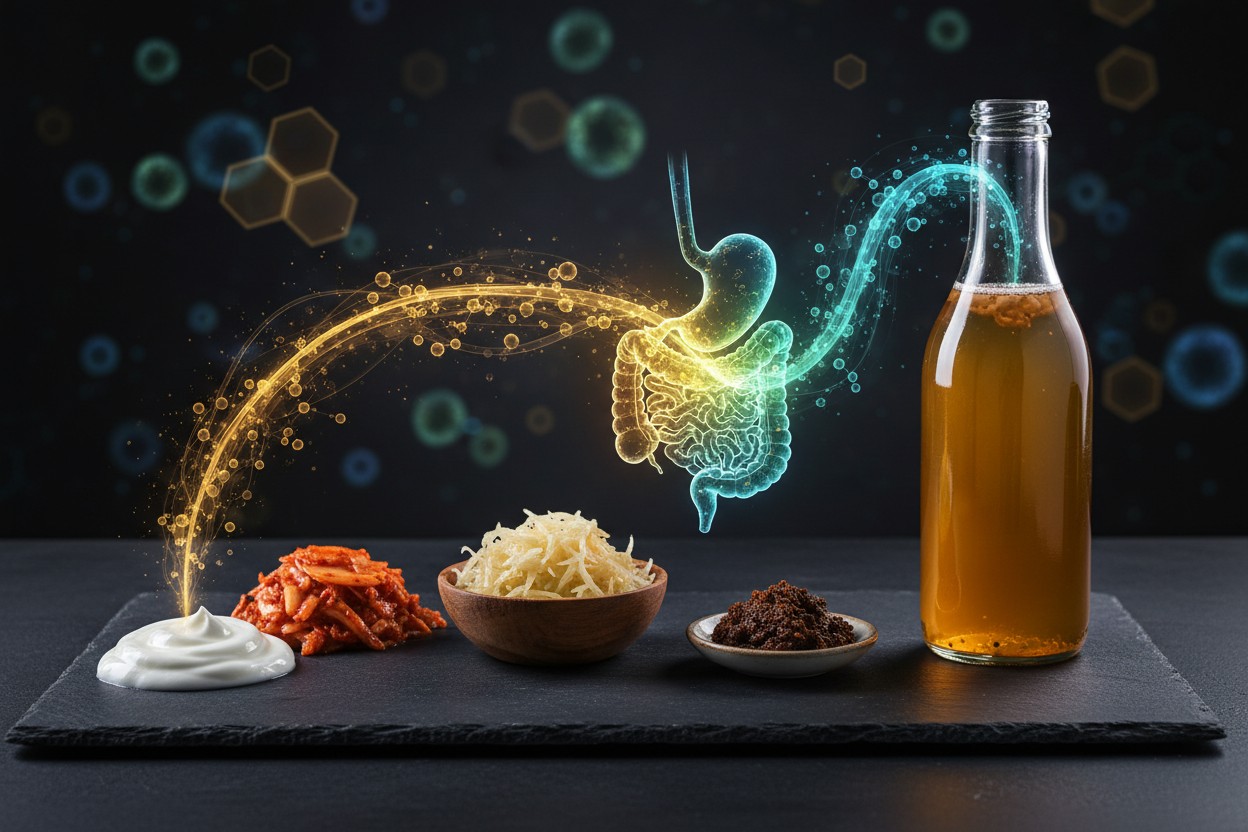
A new review published in Frontiers in Nutrition clarifies that the health benefits of fermented foods stem largely from "postbiotics"—bioactive compounds produced during fermentation—rather than just live probiotic bacteria. This distinction is crucial for consumers choosing between fresh fermented foods and commercial probiotic supplements, as postbiotics appear to offer broader immune and gut health benefits.
Local view
French media outlets are actively reporting on new associations between artificial sweeteners and severe health outcomes. Top Santé highlighted a study linking high consumption of sweeteners found in ultra-processed foods to faster cognitive decline, citing data from Neurology. Meanwhile, Futura Sciences reported on a "concerning signal" associating a very common sweetener with a cardiovascular risk increase of up to 57%. These reports reflect growing public anxiety in France regarding the safety of additives, aligning with recent INSERM findings on preservatives and chronic disease.
Context & numbers
- EFSA Reconfirmation: The European Food Safety Authority (EFSA) reconfirmed the safety of sucralose at an Acceptable Daily Intake (ADI) of 15 mg/kg body weight per day in February 2026, stating consumer exposure remains within safe limits despite ongoing scientific debate about its microbiome effects.
- New EFSA Guidance: Updated Food Additive Guidance will apply to all applications submitted under Regulation (EC) No 1333/2008 starting July 20, 2026, integrating newer guidelines on mixtures and toxicological concerns.
- Cognitive Decline Data: Recent French coverage cites a study linking high intake of sweeteners in ultra-processed foods to accelerated cognitive decline, though specific participant numbers were not detailed in the local summaries.
On the radar
- EFSA Re-evaluations: EFSA scientists are currently re-evaluating the safety of all sweeteners permitted in the EU prior to 2009, which may lead to further regulatory changes or warnings in late 2026.
- Personalized Fiber Trials: A proof-of-concept crossover trial published recently suggests that function-based personalization of dietary fiber selection can enhance gut microbial fermentation, potentially leading to personalized nutrition recommendations for fiber intake.
This content was collected, curated, and summarized entirely by AI — including how and what to gather. It may contain inaccuracies. Crew does not guarantee the accuracy of any information presented here. Always verify facts on your own before acting on them. Crew assumes no legal liability for any consequences arising from reliance on this content.
Powered by
