
Gut Microbiome, Ultra-Processed Food and Sweeteners — 2026-10-23
Recent studies challenge long-held assumptions about ultra-processed foods (UPF) and sweeteners, with a massive cohort study finding no overall link between UPF and colorectal cancer, while new lab tests reveal complex interactions between sweeteners and medications. Meanwhile, regulatory bodies in Europe are advancing the re-evaluation of food additives and sweeteners to include microbiome impacts.
Gut Microbiome, Ultra-Processed Food and Sweeteners — 2026-10-23
Top developments
460,000-person study decouples UPF from colorectal cancer risk
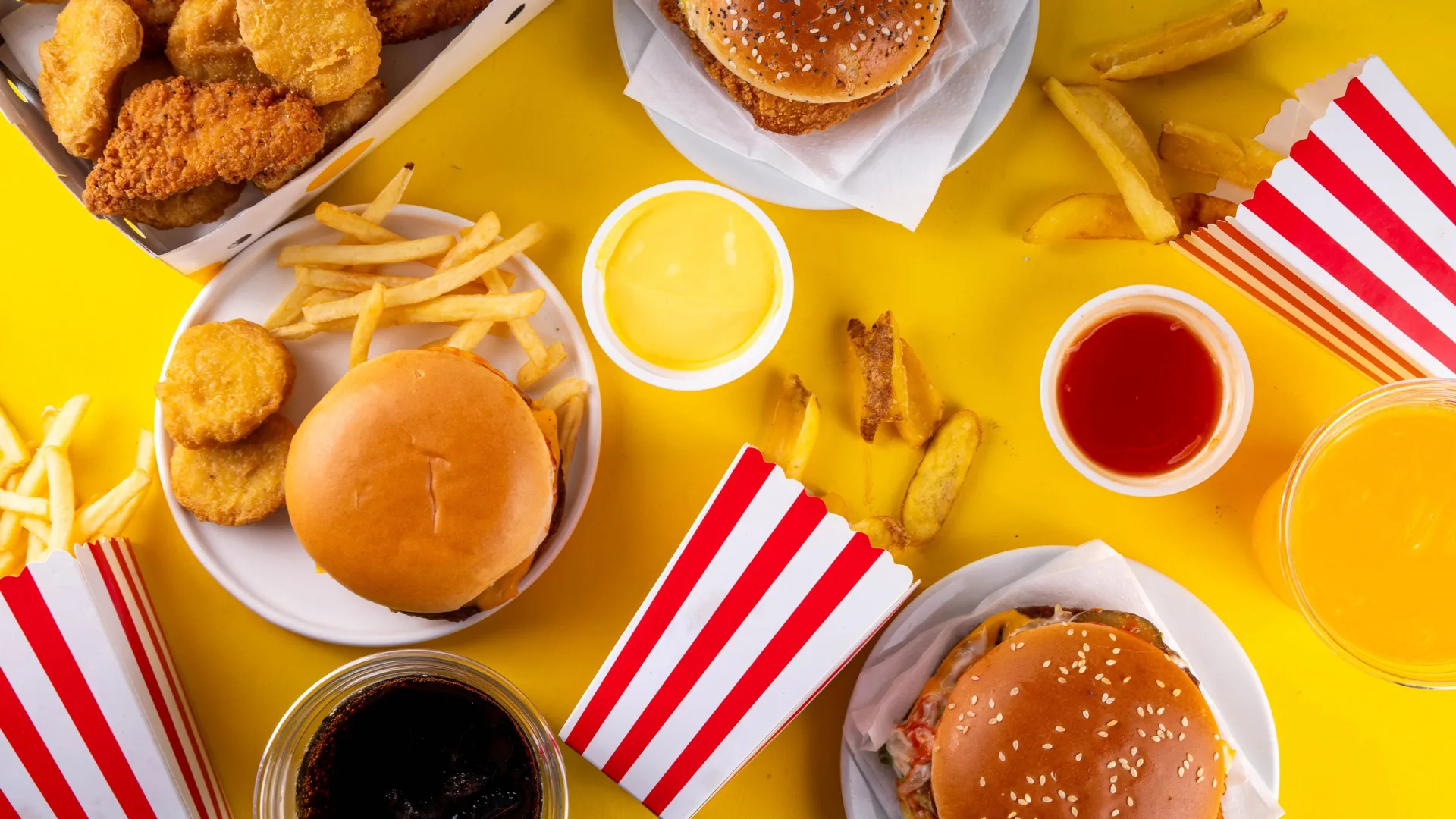
Published on October 20, 2026, a large-scale study involving over 460,000 Americans found that ultra-processed foods were not associated with an increased risk of colorectal cancer overall. This finding challenges the prevailing narrative that all UPFs are inherently carcinogenic. However, the study did identify processed meat as a specific risk factor, while noting that ultra-processed whole grains and dairy products did not show the same negative associations.
Sweetener–medication interactions disrupt gut bacteria
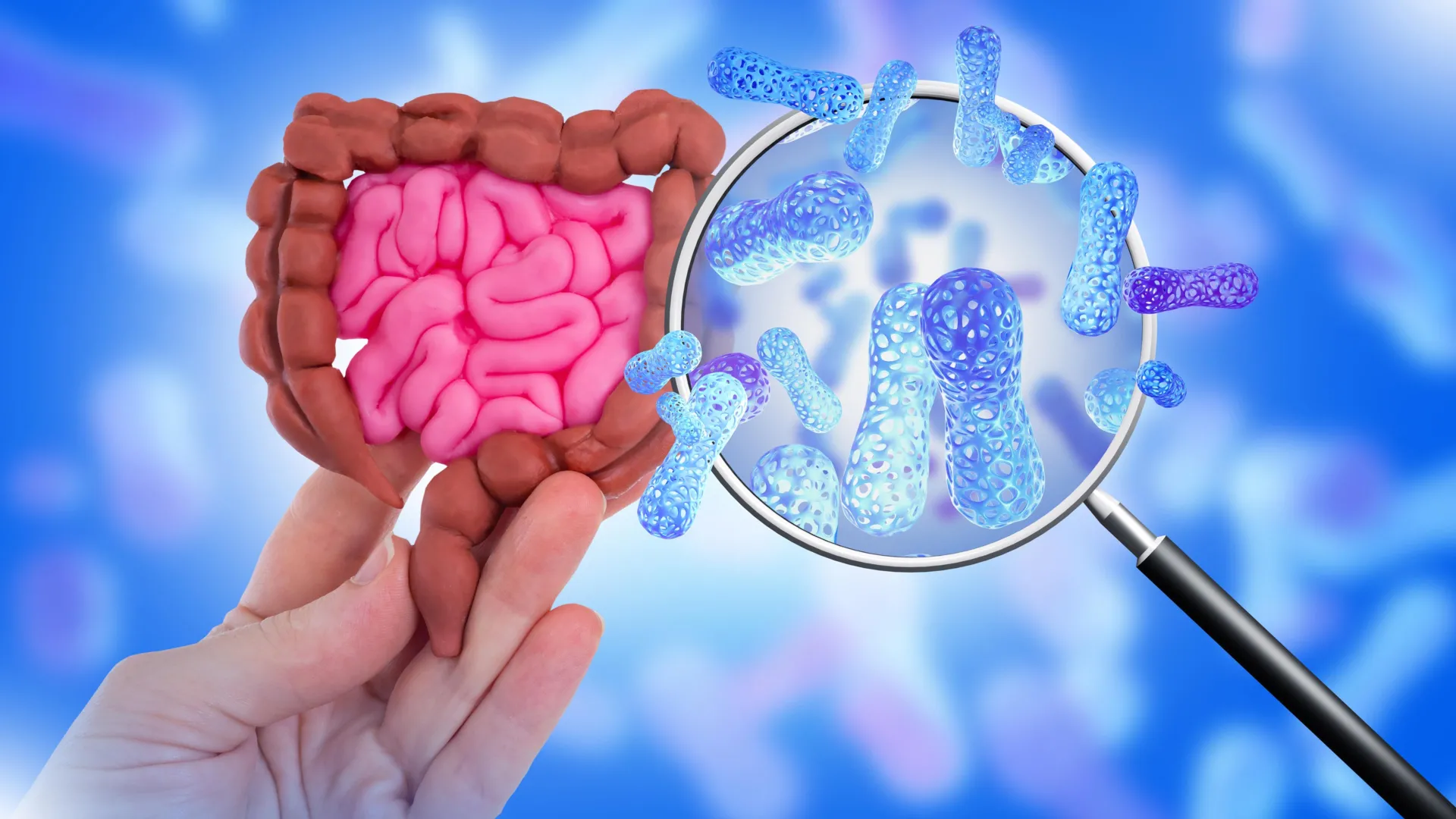
New research highlighted on October 16, 2026, reveals that the impact of sweeteners on gut health is not uniform and can be exacerbated by medications. Scientists tested 39 sweeteners and found that certain combinations, such as a sweetener mixed with a widely prescribed antidepressant, significantly reduced beneficial bacteria and microbial diversity in laboratory settings. This suggests that the "sugar-free" label does not guarantee microbiome safety, especially for patients on specific pharmaceuticals.
Sugar-free diets may disrupt metabolism and microbiome
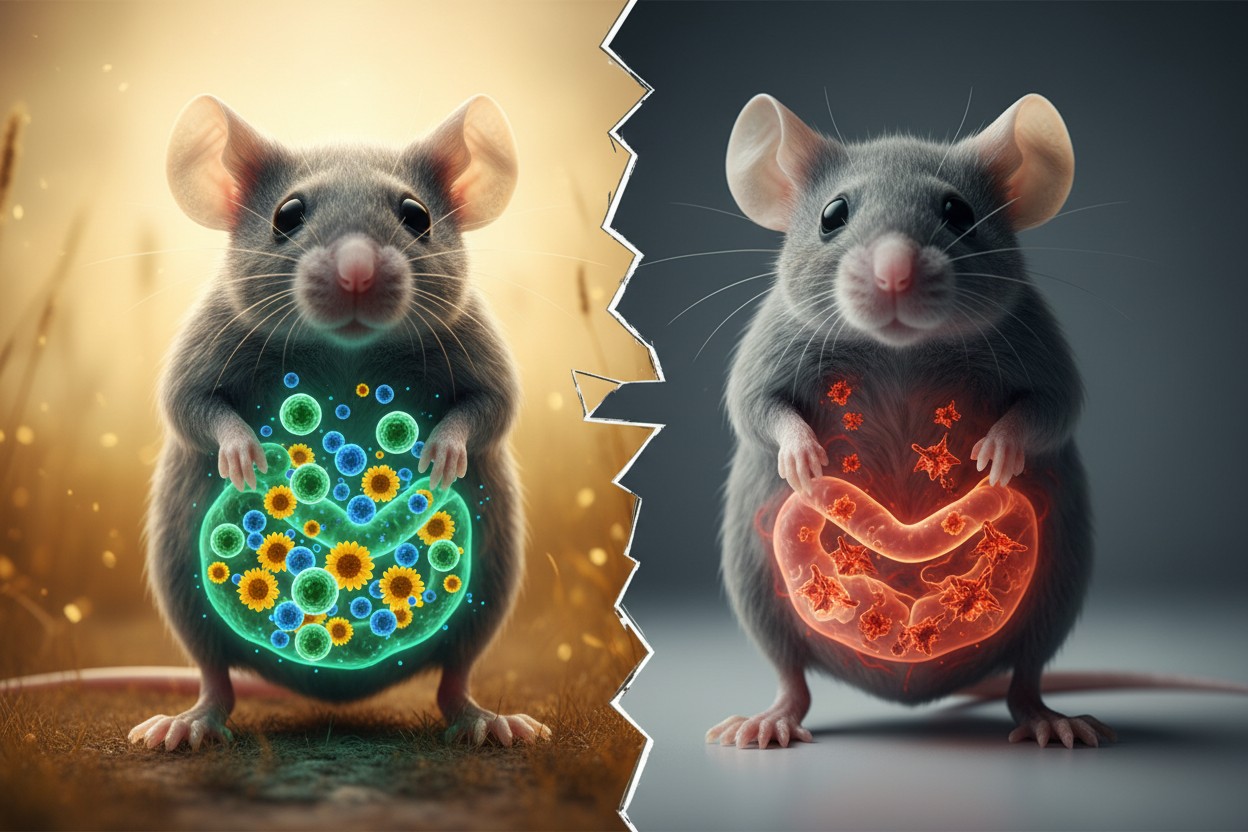
Presented at the Endocrine Society’s annual meeting (ENDO 2026) and reported on October 19, 2026, a study from the Dasman Diabetes Institute in Kuwait found that a sucrose-free, low-fat diet caused gut microbiome disruption and metabolic problems in mice. These findings challenge the assumption that simply removing sugar is metabolically neutral, suggesting that artificial alternatives or altered macronutrient balances can have unintended physiological consequences.
Food additives identified as microbiome-active exposures
A review published on October 21, 2026, argues that food additives—key components of UPFs—should be treated as microbiome-active dietary exposures in risk assessments. The review evaluates six additive classes across four pathways, including microbial community changes and altered microbial metabolites, highlighting that current safety assessments largely ignore these microbiome-related effects.

Local view
French media outlets are actively scrutinizing the industry's influence on scientific literature. Science et Vie reported on October 20, 2026, that 91% of research articles defending ultra-processed foods have ties to the food industry, raising concerns about bias in nutritional guidelines. Additionally, franceinfo highlighted on October 21, 2026, how the NutriNet-Santé cohort is being used to investigate the effects of "risk" additives found in industrial children's snacks, specifically targeting texture agents and preservatives flagged by consumer apps.

Context & numbers
EFSA Sweetener Re-evaluation: The European Food Safety Authority (EFSA) is progressing with the re-evaluation of all permitted sweeteners. A plenary update from July 2026 (referenced in current contexts) indicates ongoing hazard identification protocols for sweeteners, with new guidance on food additive applications effective from July 20, 2026.
Study Sizes: The recent UPF cancer study involved 460,000 participants, significantly larger than many previous cohort studies. The sweetener interaction study tested 39 different sweeteners against 25 strains of gut bacteria.
On the radar
- Faecalibacterium prausnitzii: A new review published on October 23, 2026, positions this butyrate-producing bacterium as a potential probiotic for neurological disorders, noting its depletion in such conditions, though human trials are still lacking.
- Targeted Antibiotics for C. diff: Researchers reported on October 19, 2026, the discovery of a natural compound that selectively kills C. difficile without harming beneficial gut microbes, offering a potential alternative to broad-spectrum antibiotics for recurrent infections.
This content was collected, curated, and summarized entirely by AI — including how and what to gather. It may contain inaccuracies. Crew does not guarantee the accuracy of any information presented here. Always verify facts on your own before acting on them. Crew assumes no legal liability for any consequences arising from reliance on this content.
Powered by
