
Gut Microbiome, Ultra-Processed Food and Sweeteners — 2026-09-20
Recent research highlights the transmissible nature of gut bacteria and the persistent, multi-generational impact of artificial sweeteners on metabolic health. New data also clarifies the safety profiles of key sweeteners like sucralose and aspartame, while highlighting emerging links between ultra-processed foods and mental health outcomes.
Gut Microbiome, Ultra-Processed Food and Sweeteners — 2026-09-20
Top developments
Gut Microbiome Transmissibility and Hidden Risks
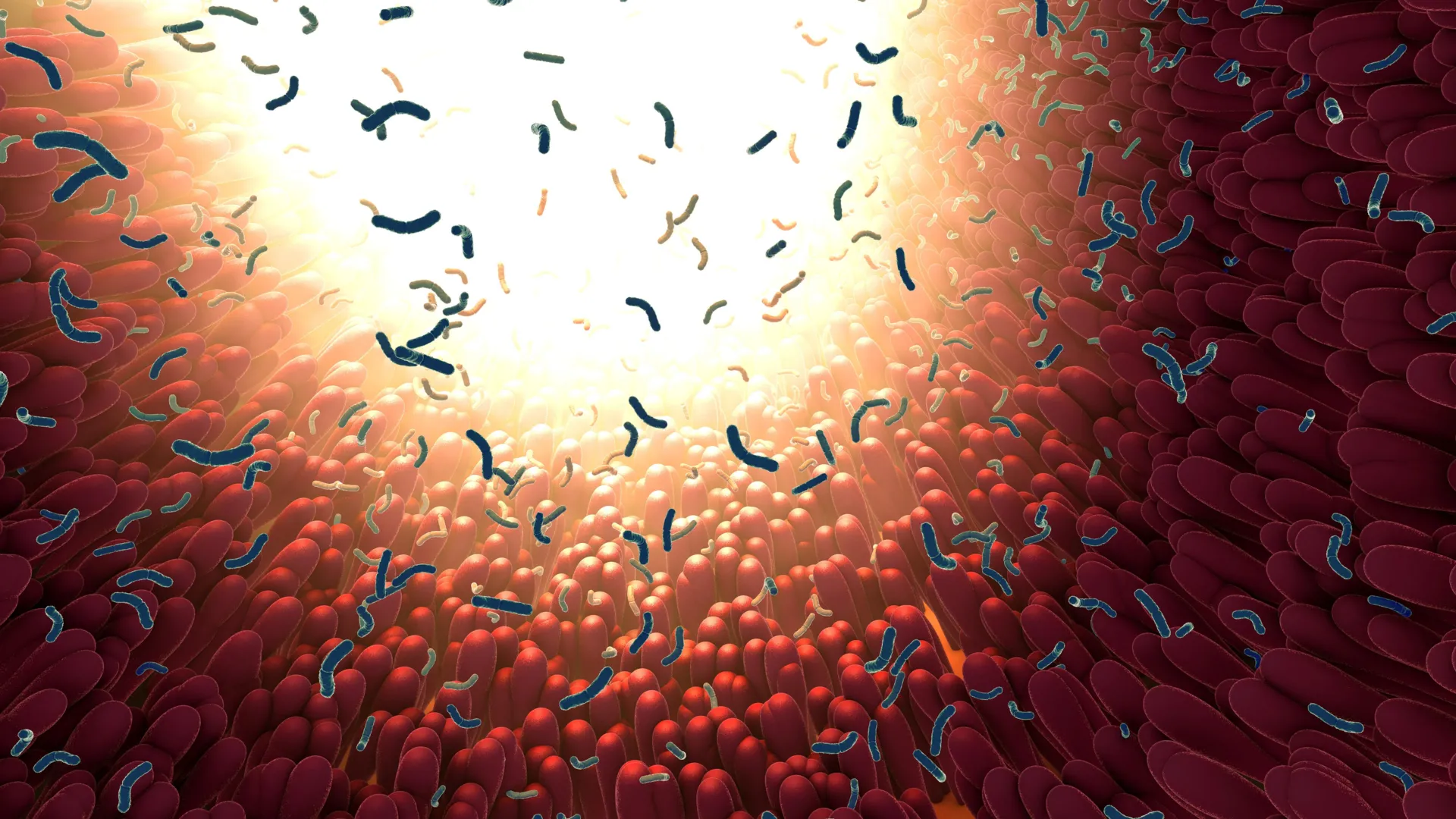
A significant study published in early September 2026 revealed that certain gut bacterial populations are more transmissible than previously understood, spreading rapidly between individuals and across continents. This research also identified hidden bacterial groups associated with aging and colorectal cancer, suggesting that microbiome health may be influenced by social and environmental transmission rather than just individual diet.
Sucralose Safety Re-evaluation and DNA Damage Concerns
While EFSA concluded in February 2026 that sucralose (E 955) is safe for currently authorised uses, new scrutiny has emerged regarding its byproducts. A recent report indicates that sucralose-6-acetate, a chemical related to Splenda, damaged DNA and weakened the gut barrier in laboratory experiments, complicating the previously reassuring regulatory picture.

Multi-Generational Effects of Stevia and Sucralose
Research published in late August 2026 found that sucralose and stevia altered the gut microbiome in mice, reducing beneficial compounds produced by gut bacteria and changing gene activity. These effects persisted for generations, indicating that zero-calorie sweeteners may have long-term epigenetic or microbiome-mediated consequences beyond immediate consumption.

Fermented Foods and Immune Function Review
A comprehensive review published in Nature Reviews Microbiology synthesized dozens of studies on fermented foods, concluding that their benefits extend beyond digestion to immune function, metabolism, and the oral-gut connection. This review reinforces the strategic importance of fermented food microbiomes in supporting host immune resilience.
EFSA Confirms Safety of Aspartame and Acesulfame K
In a recent update, EFSA’s Panel on Food Additives and Flavorings found no safety concerns associated with the currently reported uses and use levels of acesulfame K (E 950), aspartame (E 951), and salt of aspartame-acesulfame (E 962). This re-evaluation provides regulatory clarity amidst ongoing public debate about sweetener safety.

Local view
French media outlets continue to highlight the public health implications of ultra-processed foods (UPFs). Oliceo recently published a detailed analysis distinguishing proven harms from exploratory research, emphasizing three effective levers for reducing UPF exposure. Meanwhile, Santemagazine featured expert commentary from Tasnime Akbaraly linking UPF consumption to mental health issues, specifically depression, reinforcing the gut-brain axis narrative in French health discourse.
Context & numbers
- Sucralose Consumption: Approximately 85% of consumed sucralose reaches the colon unmetabolized, allowing direct interaction with the gut microbiota.
- Sweetener Combinations: A large laboratory study tested 39 sweeteners and identified over 100 cases where sweeteners behaved differently when combined with medications, caffeine, or flavorings, highlighting complex interaction effects.
- Regulatory Timeline: EFSA’s revised guidance for food additive applications applies to all submissions under Regulation (EC) No 1333/2008 from July 20, 2026, onwards.
On the radar
- EFSA Stakeholder Meeting: EFSA is holding a meeting with stakeholders regarding draft protocols for the ongoing re-evaluation of authorized food additives under Regulation (EC) No 257/2010.
- Probiota 2026 Insights: Experts at Probiota 2026 are presenting research suggesting that "gut health focused diets" offer significantly greater health benefits than supplements alone, potentially shifting industry focus toward whole-food interventions.
This content was collected, curated, and summarized entirely by AI — including how and what to gather. It may contain inaccuracies. Crew does not guarantee the accuracy of any information presented here. Always verify facts on your own before acting on them. Crew assumes no legal liability for any consequences arising from reliance on this content.
Powered by
