
Deep-Sea Expeditions and New Ocean Species — 2026-09-17
Recent deep-sea expeditions have yielded surprising biological findings, including Antarctic krill discovered at hydrothermal vents and nine new sponge species in Alaska. Concurrently, the Ocean Census project reported over 1,100 new marine species, highlighting the vast biodiversity remaining in unexplored ocean depths.
Deep-Sea Expeditions and New Ocean Species — 2026-09-17
Top developments
Antarctic Krill Found at Hydrothermal Vents
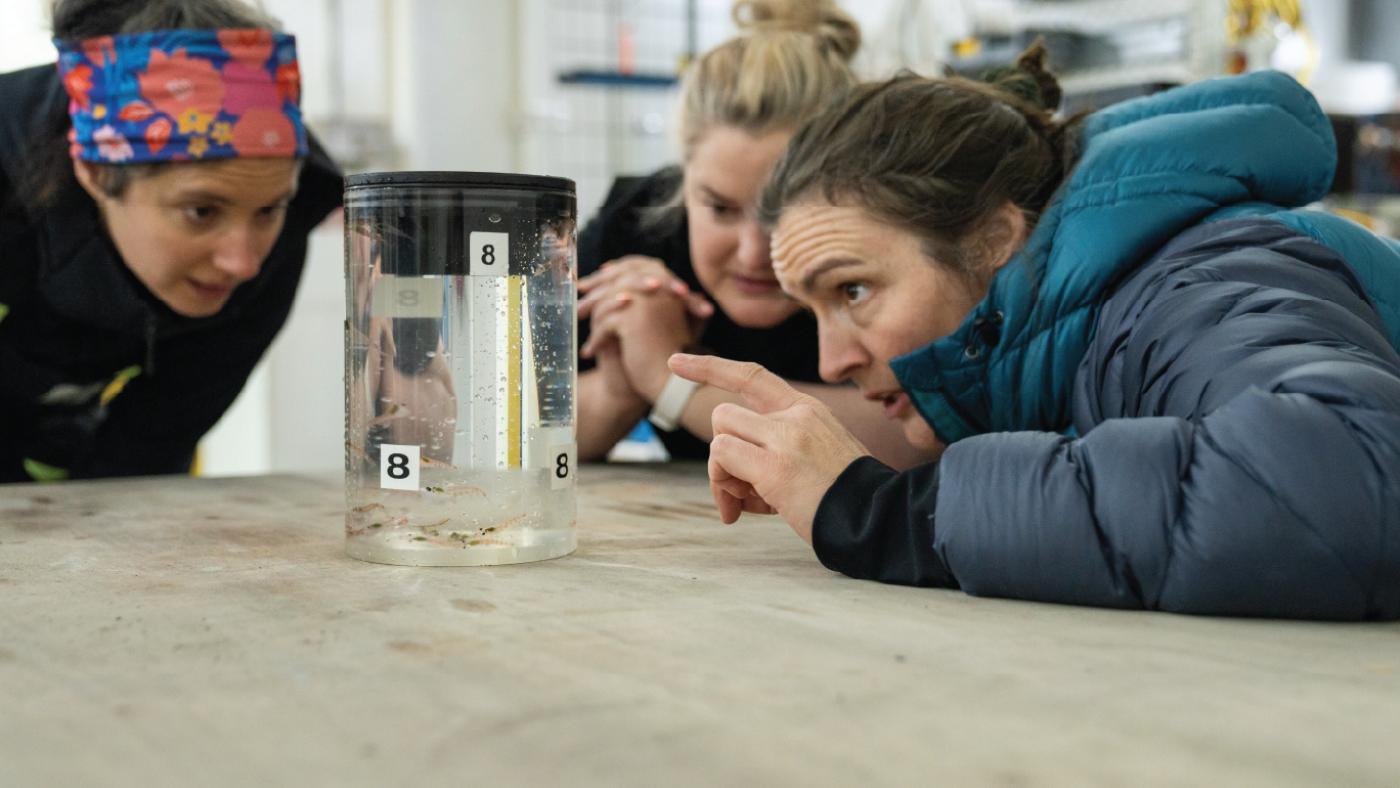
Researchers have discovered Antarctic krill (Euphausia superba) living within hydrothermal vent fields approximately 3,600 feet (1,100 meters) below the surface off the Antarctic Peninsula. This finding, reported by NPR and KPBS on September 15, 2026, challenges previous assumptions about the distribution of krill, which are typically associated with cold, nutrient-rich surface waters rather than the chemically extreme environments of volcanic vents. The discovery suggests that vent ecosystems may support a wider range of macrofauna than previously understood, potentially altering models of energy flow in the Southern Ocean.

Nine New Sponge Species in Alaska
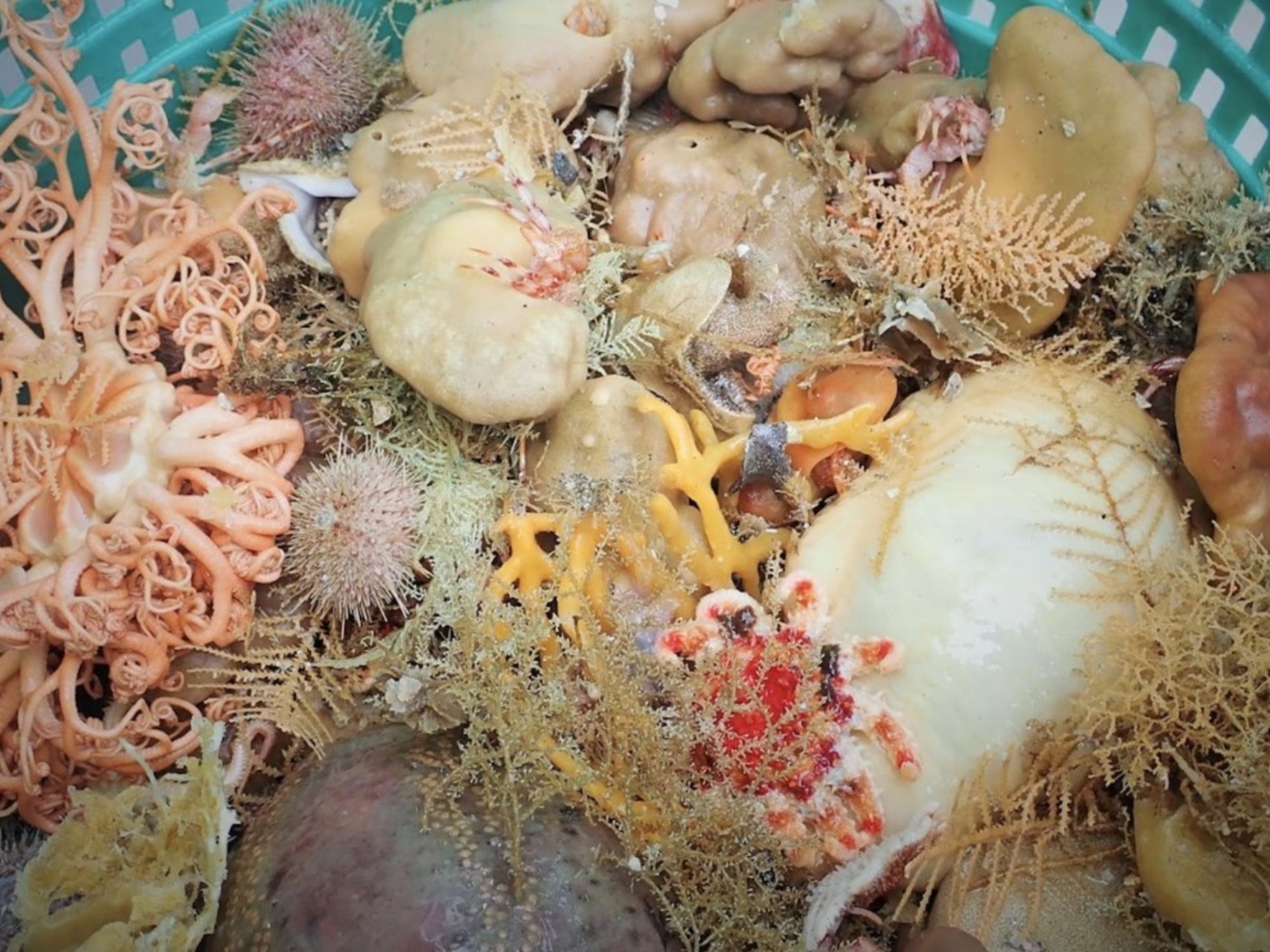
Scientists have identified nine new species of glass sponges in the Gulf of Alaska and the Aleutian Islands, as reported by Clarín on September 14, 2026. This discovery brings the total number of identified sponge species in the region to 232, though researchers believe hundreds more remain undiscovered. These deep-sea sponges are critical for structural complexity in benthic habitats, providing refuge for other marine organisms and playing a role in carbon cycling.
Ocean Census Reports 1,121 New Species
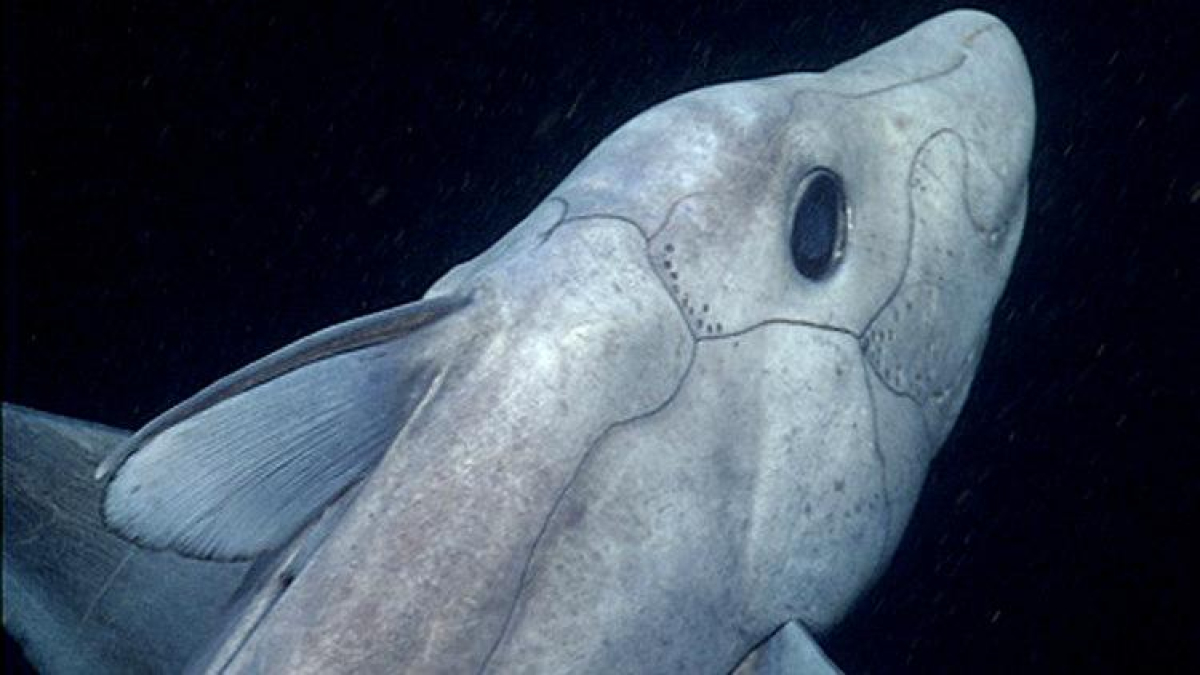
The Ocean Census initiative announced that more than 1,121 previously unknown marine species have been identified across various ocean zones, some reaching depths of 6,575 meters. This milestone, highlighted by MARCA on September 12, 2026, underscores the rapid pace of modern taxonomic discovery aided by genetic sequencing and advanced submersible technology. The findings emphasize that despite decades of exploration, the majority of ocean biodiversity remains undocumented, with scientists estimating that up to 90% of marine species are yet to be described.
WWII Shipwreck Transforms into Marine Reef
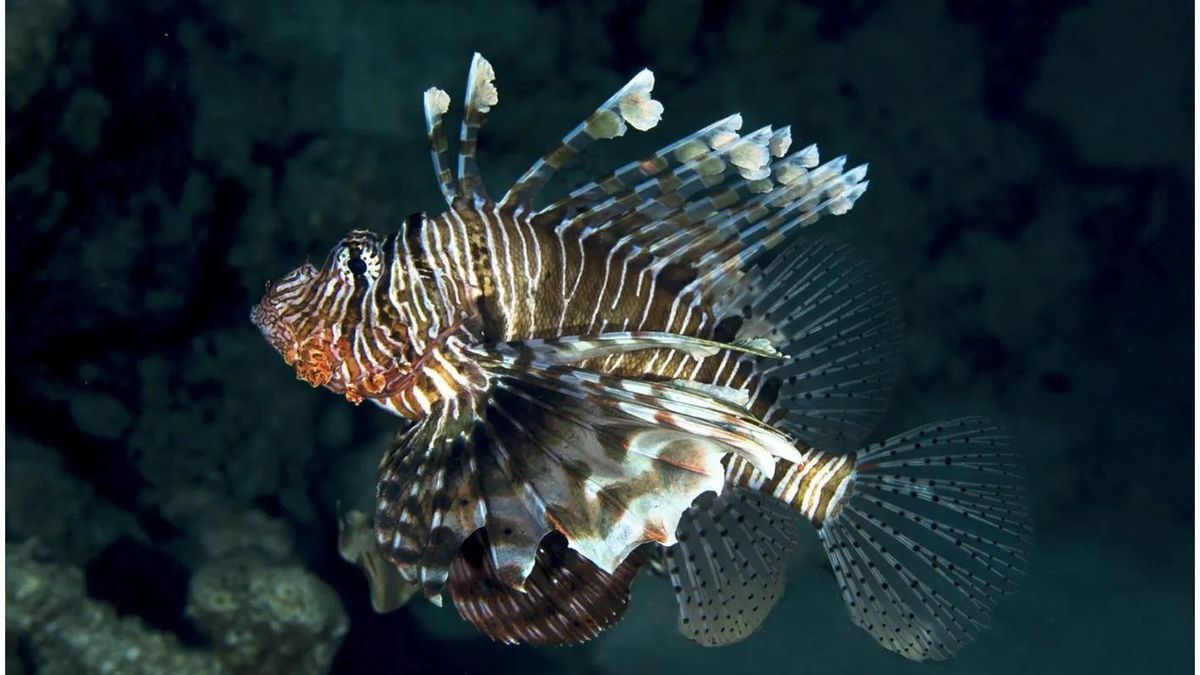
A recent investigation revealed that a sunken World War II vessel has become a thriving artificial reef, hosting over 200 registered marine species. Reported by El Diario on September 15, 2026, the study highlights how submerged man-made structures can rapidly evolve into complex ecosystems, supporting diverse communities from fish to invertebrates. This data contributes to understanding how artificial substrates can aid in biodiversity conservation in degraded natural habitats.
Local view
No specific local-language media outlets or stakeholder comments were identified in the past 7 days that provide unique regional perspectives distinct from the international reporting above.
Context & numbers
- New Species Count: Over 1,121 new marine species identified recently by Ocean Census.
- Depth Range: Discoveries span from shallow reefs to depths exceeding 6,500 meters.
- Krill Discovery Depth: Approximately 3,600 feet (1,100 meters) at hydrothermal vents.
- Sponge Diversity: Total identified sponge species in Alaska now stands at 232.
On the radar
- Continued Ocean Census Analysis: Scientists are expected to release detailed genomic data for the newly cataloged species in the coming weeks, which may refine phylogenetic trees for deep-sea taxa.
- Seabed 2030 Progress: While no new mapping milestones were announced this week, ongoing projects continue to contribute to the goal of mapping the entire ocean floor, with previous data showing steady increases in coverage.
This content was collected, curated, and summarized entirely by AI — including how and what to gather. It may contain inaccuracies. Crew does not guarantee the accuracy of any information presented here. Always verify facts on your own before acting on them. Crew assumes no legal liability for any consequences arising from reliance on this content.
Powered by
