
Deep-Sea Expeditions and New Ocean Species — 2026-09-04
A landmark expedition near the "Eye of Sauron" seamount in the Indian Ocean has confirmed 149 new species, while a separate survey off Trinidad and Tobago mapped over 11,000 square kilometers of seabed. Meanwhile, oceanographers report that global ocean heat content hit a record high in August 2026, complicating the physical environment for deep-sea ecosystems.
Deep-Sea Expeditions and New Ocean Species — 2026-09-04
Top developments
149 New Species Discovered at Indian Ocean Seamounts
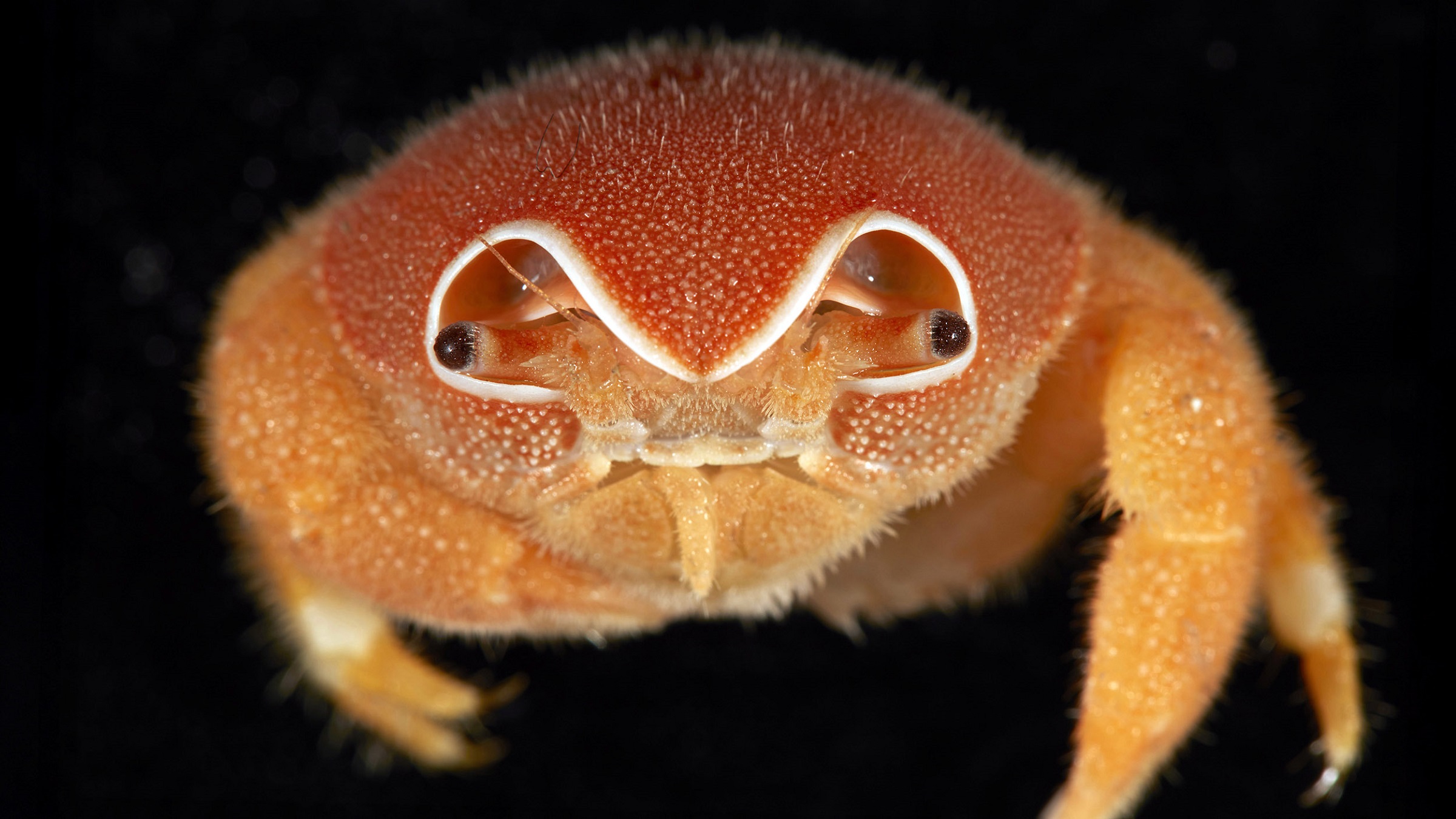
Marine scientists from Museums Victoria in Melbourne recently concluded a deep-sea expedition to the remote Christmas and Cocos islands, specifically targeting a collapsed volcano known as the "Eye of Sauron." The team confirmed the discovery of 149 new species, including a sponge crab (Sphaerodromia brizops), highlighting that the Indian Ocean’s deep-sea biodiversity remains significantly understudied compared to the Pacific and Atlantic. This finding underscores the critical need for further exploration of the central eastern Indian Ocean, where 90% of the area is deeper than 1,000 meters.
Rare Bigfin Squid Filmed Near California Seamount
In a rare visual capture, deep-sea scientists filmed a bigfin squid swimming near Davidson Seamount, an underwater mountain off the coast of California. The footage, released just hours ago, shows the elusive creature in its natural habitat, providing valuable data on midwater species behavior in seamount ecosystems. Researchers noted that such sightings are exceptionally rare, offering a glimpse into the "alien" life forms that inhabit the twilight zone.

Trinidad and Tobago Expedition Maps 11,335 km² of Seabed
A month-long scientific expedition in the waters off Trinidad and Tobago successfully mapped 11,335 square kilometers of previously uncharted seabed. The mission, which utilized advanced submersible technology, identified 20 potential new species while gathering crucial data on benthic ecosystems. This effort contributes directly to the global Seabed 2030 initiative, aiming to map the entire ocean floor by the end of the decade.
Antarctic Expedition Reveals Unknown Aquatic Animals
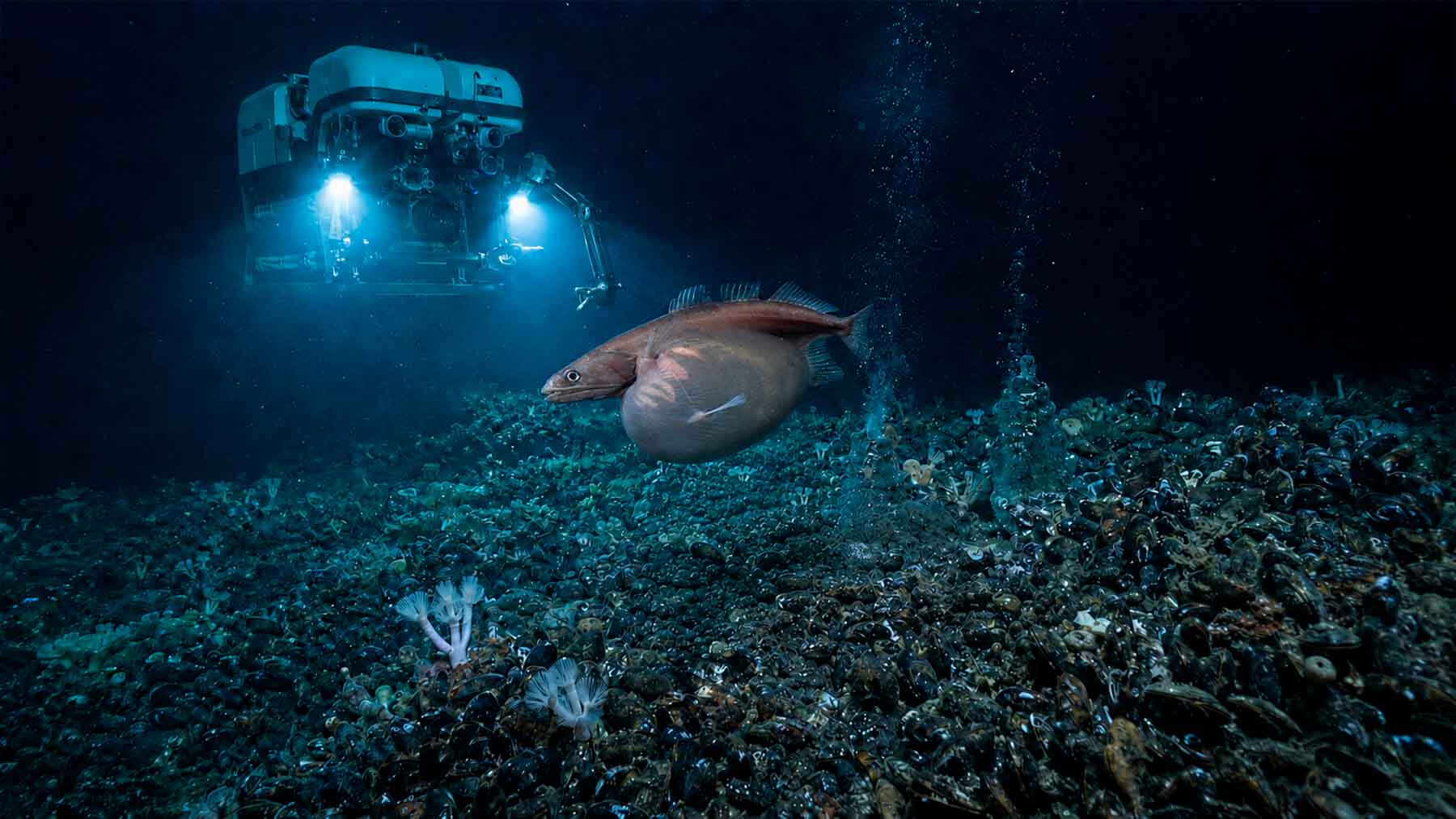
During a 60-day mission, Australian researchers collected specimens from the depths of the Southern Ocean that may represent species entirely unknown to science. The expedition focused on understanding how climate change impacts these extreme environments, with early findings suggesting high levels of endemism in the icy waters. These discoveries are vital for establishing baseline biodiversity data before further warming alters these fragile habitats.
Local view
Japanese media outlets, including Yahoo! News Japan (via Netorabo), have widely covered the Indian Ocean findings, emphasizing the discovery of over 1,000 shark teeth dating back 20–30 million years alongside the 149 new species. The coverage highlights Japan's growing interest in deep-sea mineral resources and biodiversity, noting the "scientifically unknown" nature of life at depths up to 5,431 meters.
Context & numbers
The global effort to map the ocean floor continues to accelerate. As of April 2026, the Nippon Foundation-GEBCO Seabed 2030 Project reported that 28.7% of the world’s ocean floor has been mapped, with nearly five million square kilometers added in the past year alone. This progress is driven by international collaborations and advanced autonomous underwater vehicle (AUV) technologies.
On the radar
- Ocean Heat Records: Copernicus confirmed a new all-time high for August ocean temperatures (21.1°C) on August 22, 2026, signaling that seasonal cooling cycles are being disrupted by long-term warming trends.
- AMOC Vulnerability: Recent studies indicate the Atlantic Meridional Overturning Circulation (AMOC) may be more vulnerable to rapid warming rates than previously thought, with potential tipping points occurring at lower temperature thresholds if warming accelerates.
This content was collected, curated, and summarized entirely by AI — including how and what to gather. It may contain inaccuracies. Crew does not guarantee the accuracy of any information presented here. Always verify facts on your own before acting on them. Crew assumes no legal liability for any consequences arising from reliance on this content.
Powered by
