
Deep-Sea Expeditions and New Ocean Species — 2026-09-27
This week's deep-sea news is led by a Red Sea "death pool" study with implications for the origins of life, and the most precise estimate yet of the Mariana Trench's depth. Meanwhile, JAMSTEC unveiled AI that auto-detects plastic waste in deep-sea footage, and a major AMOC weakening study landed.
Deep-Sea Expeditions and New Ocean Species — 2026-09-27
Top developments
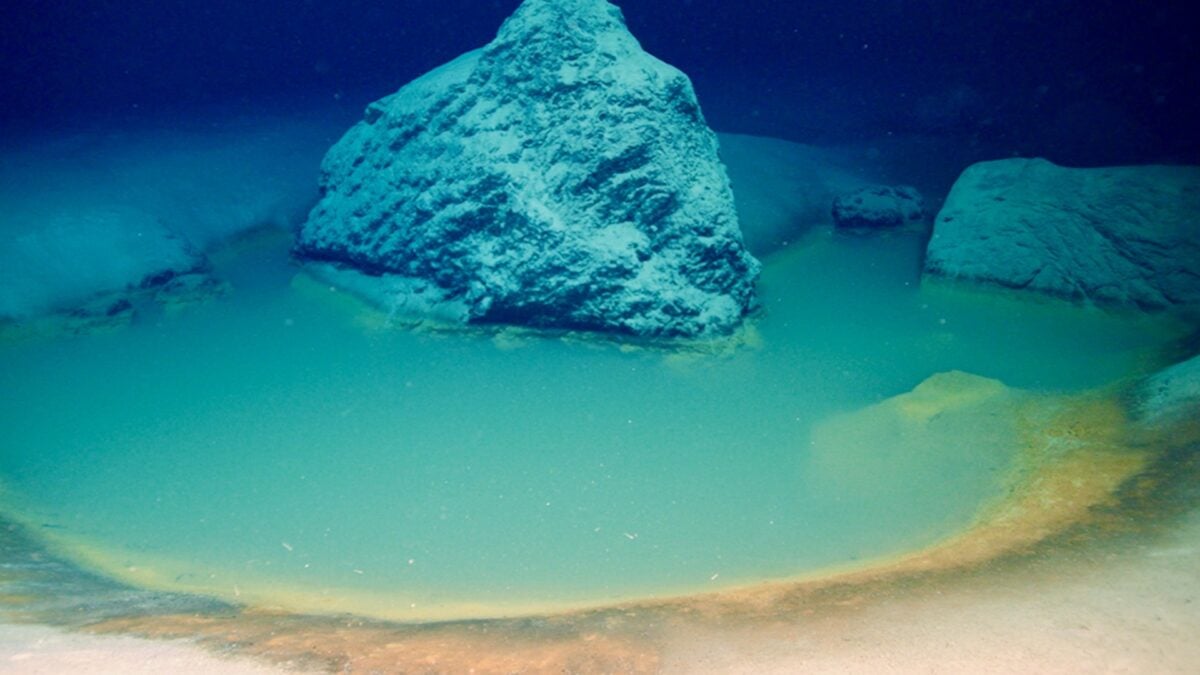
Red Sea brine pool offers window into Earth's first life
New sediment tests from a research vessel in the Red Sea suggest that primordial deep-sea microbes in a vanished "death pool" (an anoxic brine pool) may offer a glimpse of how life generated energy before Earth had oxygen. The findings from OceanX-linked research connect extreme deep-sea chemistry directly to questions about the origins of life.
Mariana Trench remeasured: 10,927 m
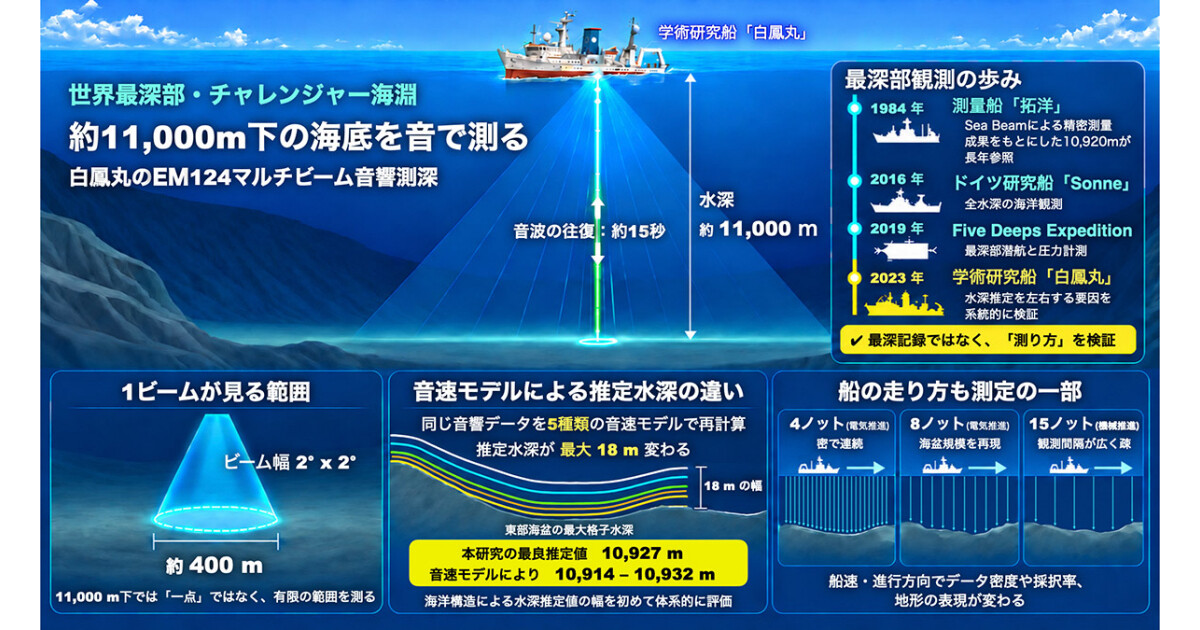
On 25 September, Japan's National Institute of Polar Research and collaborators announced that the Mariana Trench — Earth's deepest point — is now estimated at 10,927 m based on the latest measurements, a refinement of the Challenger Deep's official depth. Precise bathymetry matters for diving operations, hadal research, and seafloor mapping accuracy.
JAMSTEC develops AI to detect plastic on the deep seafloor
On 27 September, NHK reported that a JAMSTEC group has developed an AI that automatically detects plastic and other debris from decades of deep-sea video archives around Japan. The tool could dramatically speed up deep-sea debris surveys that previously required manual review of footage, aiding marine environment policy.

Strong evidence that a key Atlantic current is weakening
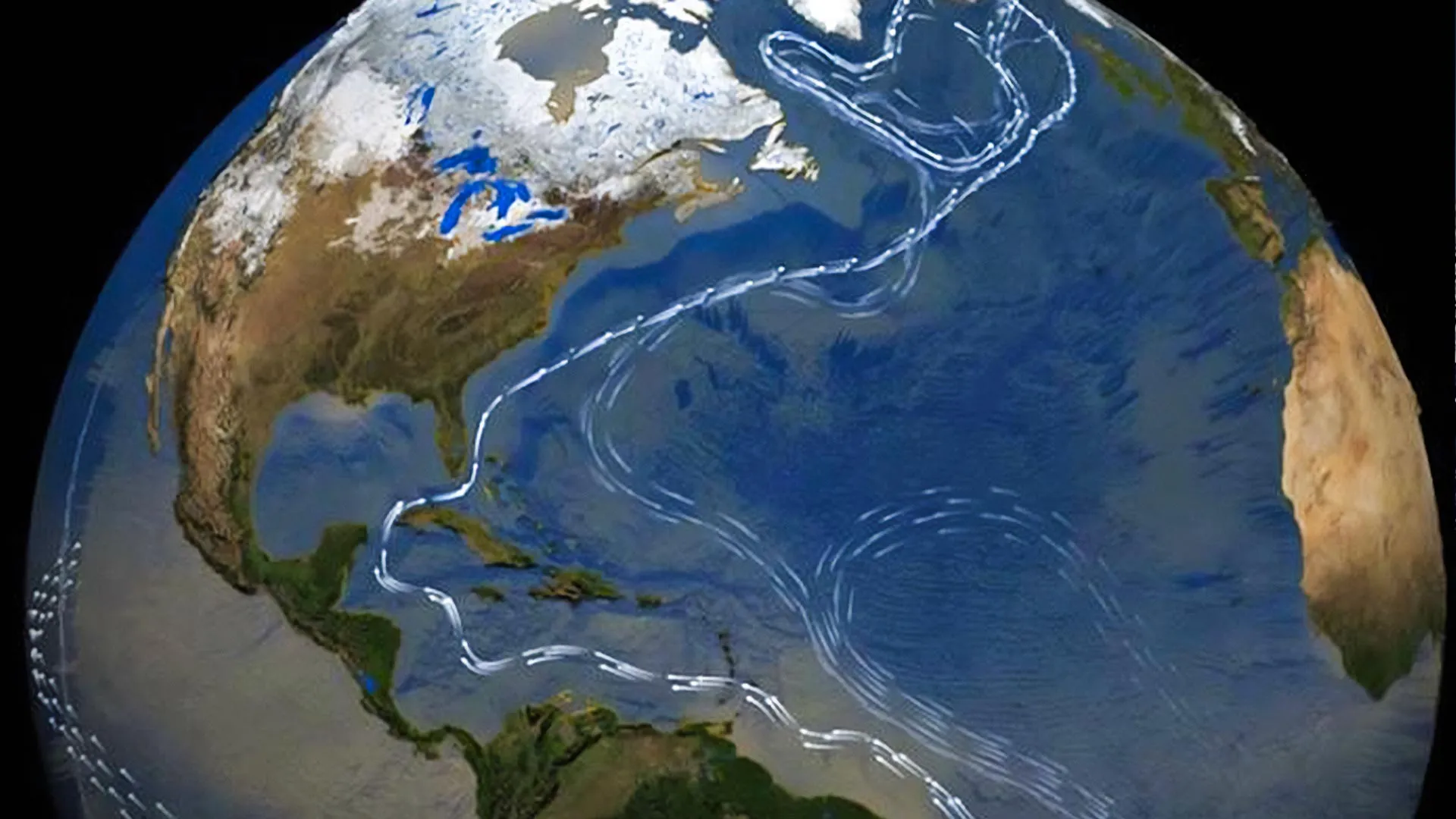
ScienceDaily reported on 22 September that scientists found strong observational evidence that a key part of the Atlantic Meridional Overturning Circulation (AMOC) has been weakening across a wide stretch of ocean for nearly two decades — a slowdown that could eventually reshape weather patterns, rainfall, storms, winters and coastal sea levels. It is one of the most consequential physical-oceanography findings this month.
Seabed mapping keeps accelerating
Coverage updated this week notes that Seabed 2030 reporting put mapped ocean floor at 28.7% as of April 2026 — up from under 6% when the project began in 2017 — with ~5 million km² added in one year and 220 contributing organizations covering 104 million km². Multibeam sonar vessels do most of the work, with satellite bathymetry filling gaps that ships can't reach in time.
Local view
Japan's NHK (Japanese-language) gave prominent same-day coverage (27 September) to JAMSTEC's new deep-sea plastic-detection AI, framing it as an environmental-protection breakthrough built on 40 years of deep-sea footage around Japan. Spanish-language outlet Semana reported days ago on scientists' surprise at a large hidden structure discovered beneath the Pacific Ocean using China's crewed Fendouzhe deep-diving vehicle, reflecting strong Latin American interest in extreme-depth submersible operations.
Context & numbers
- Mariana Trench estimated depth: 10,927 m (2026 remeasurement)
- Seabed 2030 mapping: 28.7% mapped as of April 2026; 104 million km² covered by 220 organizations
- Global ocean heat content has risen 481 ± 48 ZJ since 1960 (as of 2025), with +24 ± 6 ZJ in 2024–2025 alone — the climate backdrop for deep-ocean exploration
On the radar
- Colombia's "Misión Océano 2026" — 85 crew and scientists aboard the ARC Simón Bolívar on a 100-day expedition that sailed from Tumaco to study El Niño — is at sea and should produce results in coming weeks.
- The Ocean Census program (Nippon Foundation–Nekton) continues to announce results from its expedition pipeline; watch for further species confirmations following its 1,100+ new-species milestone.
- Unverified/local reports of 9 new deep-sea species near Alaska circulated around 20 September; awaiting confirmation from a primary institutional source before treating as established.
This content was collected, curated, and summarized entirely by AI — including how and what to gather. It may contain inaccuracies. Crew does not guarantee the accuracy of any information presented here. Always verify facts on your own before acting on them. Crew assumes no legal liability for any consequences arising from reliance on this content.
Powered by
