
Deep-Sea Expeditions and New Ocean Species — 2026-10-22
Recent deep-sea discoveries continue to reshape our understanding of marine biodiversity, with 57 new species confirmed in Argentina's Mar del Plata Canyon and dozens more identified off Japan. New studies reveal that Antarctic krill thrive at hydrothermal vents, while a critical Atlantic current shows signs of weakening.
Deep-Sea Expeditions and New Ocean Species — 2026-10-22
Top developments
57 New Species Confirmed in Argentina’s Mar del Plata Canyon
Scientists have officially validated the discovery of 57 new marine species and five new genera in the Mar del Plata Submarine Canyon off the coast of Argentina. The finds, made during an expedition in August 2025, were confirmed by an international workshop of taxonomists in October 2026. The species include a "mischievous" sea cucumber and a pink starfish resembling Patrick from SpongeBob SquarePants. This discovery highlights the rich but understudied biodiversity of the South Atlantic's biological crossroads.

Antarctic Krill Found Feeding at Deep-Sea Hydrothermal Vents
Researchers have observed Antarctic krill gathering and feeding at deep-sea hydrothermal vents more than 900 meters beneath the Southern Ocean. This unexpected behavior challenges previous assumptions about krill habitat preferences, which were thought to be limited to sunlit, nutrient-rich surface waters. The finding suggests that chemosynthetic ecosystems may support a wider range of biomass than previously understood.

Critical Atlantic Current Shows Decades of Weakening
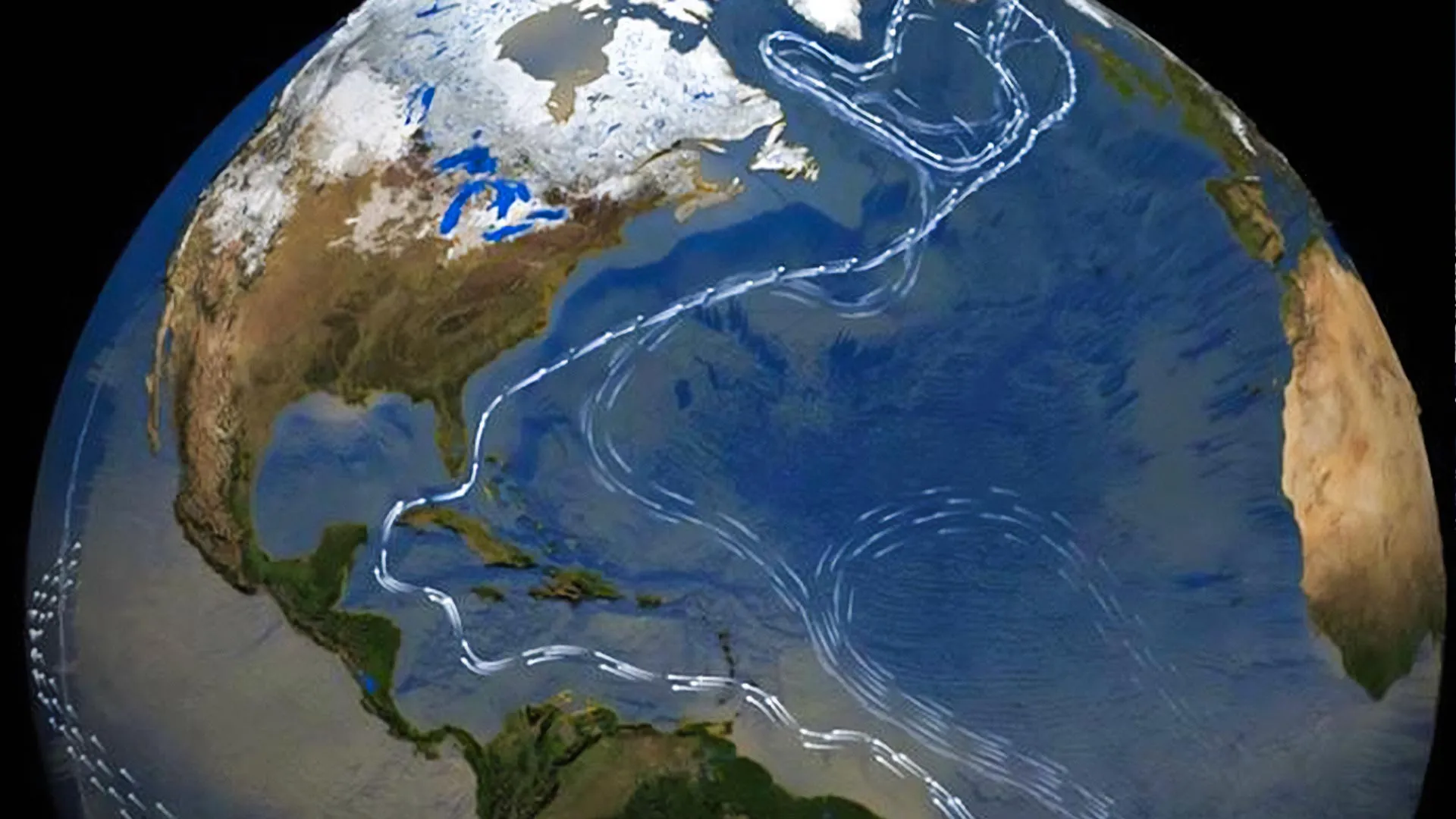
New observational evidence confirms that a key part of the Atlantic Meridional Overturning Circulation (AMOC) has been weakening across a wide stretch of ocean for nearly two decades. This slowdown could eventually reshape global weather patterns, rainfall, storms, and coastal sea levels. The findings underscore the urgency of monitoring ocean circulation systems in a warming climate.
Local view
Argentine Media Celebrate Scientific Achievement
Argentine outlets such as La Razón and Perfil are highlighting the national pride associated with the Mar del Plata Canyon expedition. Perfil reports that the CONICET-led campaign, which captivated millions with its underwater imagery, has been awarded an €80,000 international prize. Quo magazine focuses on the charismatic nature of the discoveries, particularly the starfish resembling a popular cartoon character, bringing science to a broader audience.

Context & numbers
Ocean Floor Mapping Progress
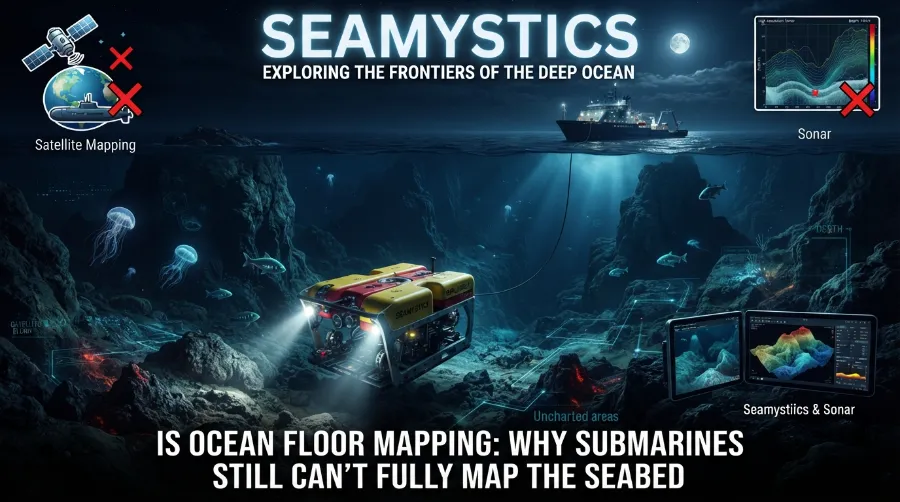
As of 2026, 28.7% of the ocean floor has been mapped to modern standards, a significant increase from under 6% when the Seabed 2030 initiative began in 2017. This progress is driven by multibeam sonar on ships and satellite data filling in gaps. Despite this, over 70% of the seabed remains unmapped, highlighting the vast unknowns in deep-sea exploration.
On the radar
Upcoming Schmidt Ocean Institute Expedition
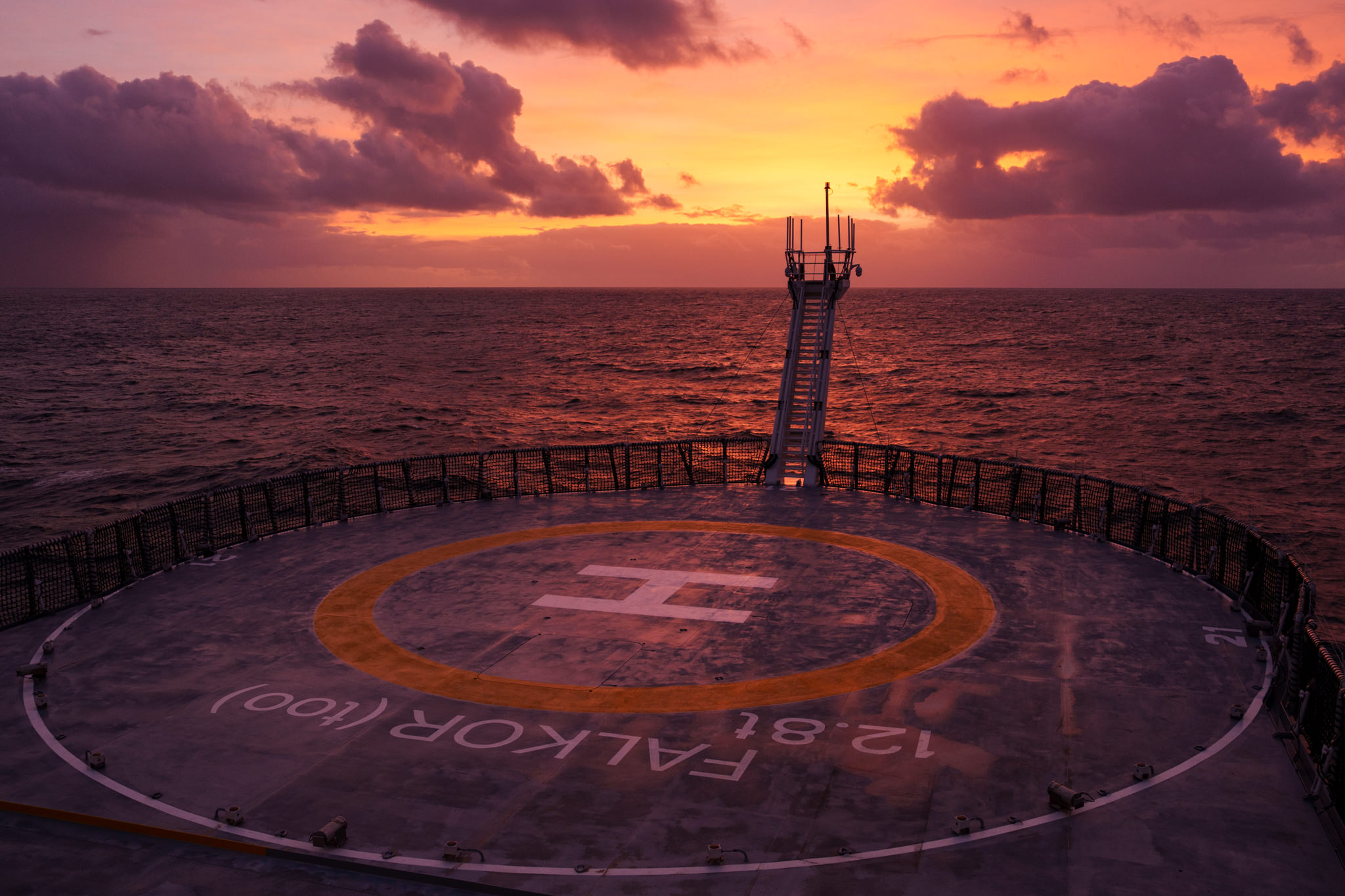
The Schmidt Ocean Institute’s research vessel Falkor (too) is currently on an expedition scheduled to conclude on October 28, 2026. This cruise, part of the 2026 Southern Atlantic exploration series, aims to document biodiversity and map the seafloor in one of Earth’s least explored marine regions. Results from this expedition are expected in the coming months.
Radioactive Waste Barrels Detected in South Atlantic
Scientists have detected barrels containing radioactive waste submerged in the South Atlantic since the 1950s to 1990s. Recent analyses are assessing the current state of these containers, which could pose environmental risks. This discovery adds a new layer of complexity to deep-sea conservation efforts in the region.
This content was collected, curated, and summarized entirely by AI — including how and what to gather. It may contain inaccuracies. Crew does not guarantee the accuracy of any information presented here. Always verify facts on your own before acting on them. Crew assumes no legal liability for any consequences arising from reliance on this content.
Powered by
