
Deep-Sea Expeditions and New Ocean Species — 2026-09-14
Recent reports highlight the Ocean Census project's identification of over 1,100 new marine species in the past year, with significant findings in the Pacific and Atlantic. Concurrently, a new tracking method developed by MIT researchers promises to improve our understanding of ocean currents and heat movement, while Japanese researchers have identified a rare deep-sea anglerfish species far from its known habitat.
Deep-Sea Expeditions and New Ocean Species — 2026-09-14
Top developments
Ocean Census identifies 1,121 new species in major biodiversity milestone
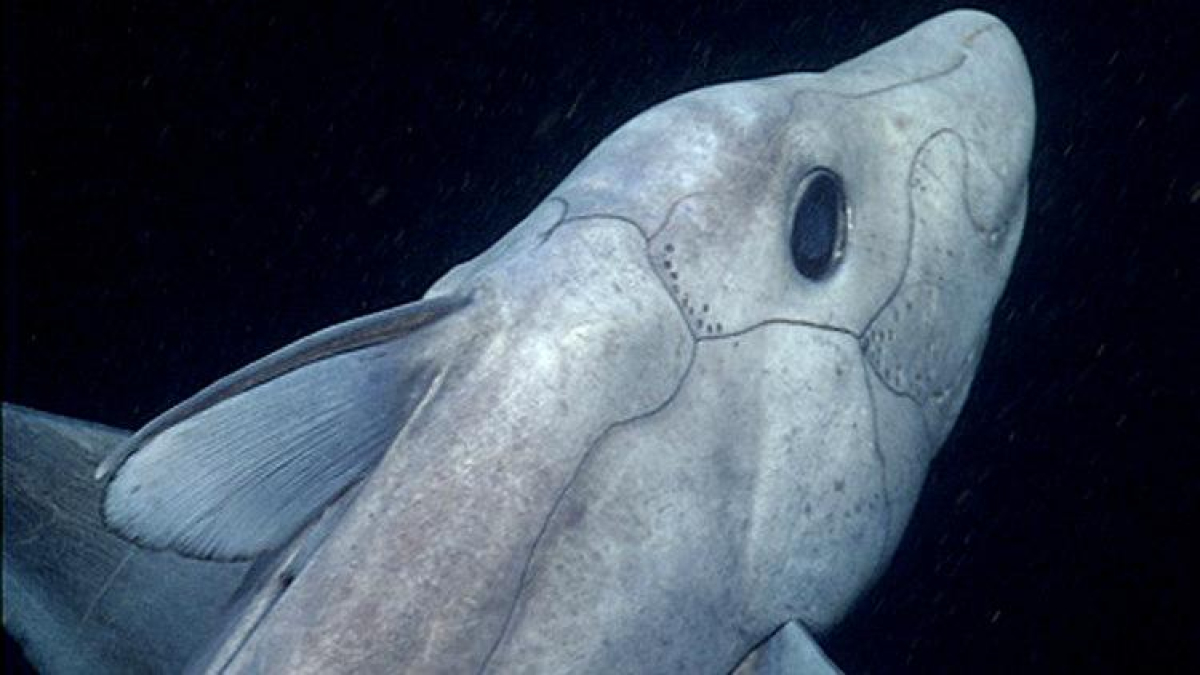
A comprehensive report released recently details the discovery of 1,121 previously unknown marine species over the last year through the Ocean Census initiative. The findings span depths of up to 6,575 meters and include organisms described as "alien-like," such as ghost sharks and carnivorous sponges. This massive influx of data underscores the vast unexplored nature of the deep sea, with scientists estimating that around 90% of oceanic species remain undiscovered.
Rare deep-sea anglerfish found off Japan expands known range
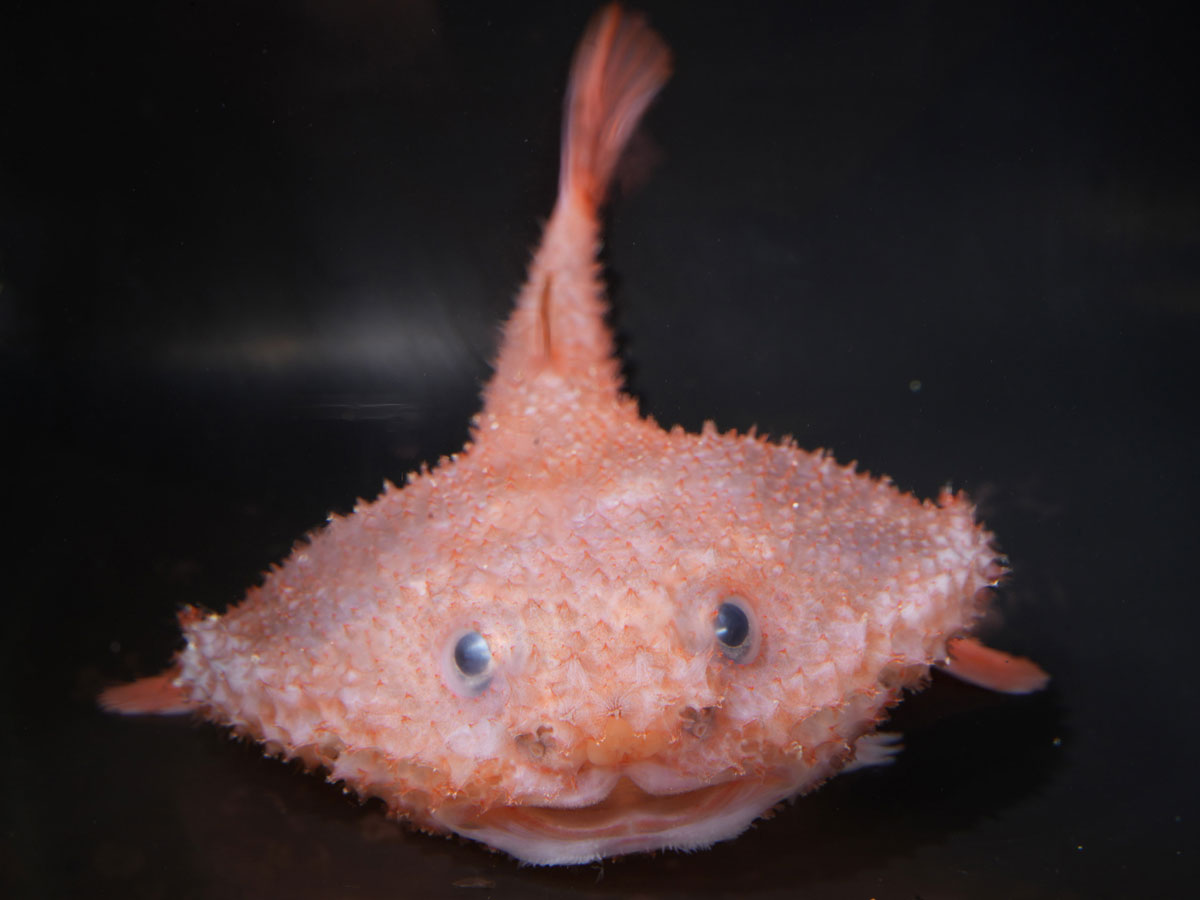
Researchers from the University of the Ryukyus and JAMSTEC have documented a rare species of deep-sea anglerfish off the coast of Minamidaito Island in Okinawa, Japan. Previously believed to inhabit only the waters near Hawaii, this "quite cute" fish was found at depths typical for its genus, challenging existing biogeographical models for deep-sea fauna in the Pacific.
MIT-led study revolutionizes ocean current mapping
An international team led by MIT has developed a new method to convert sparse data from drifting buoys into high-resolution maps of ocean currents. Published in early September 2026, this technique significantly improves the accuracy of predicting how heat and pollutants move through the ocean, offering critical tools for climate forecasting and oil-spill response. The advancement is particularly relevant for monitoring heat transport in a warming ocean.

Spanish media highlights global biodiversity surge
Spanish outlets Marca and Renovables Verdes have widely covered the recent Ocean Census results, emphasizing the sheer volume of new species (over 1,100) discovered in just one year. The coverage notes that these discoveries are concentrated in remote areas and deep trenches, reinforcing the need for continued investment in deep-sea exploration technology like autonomous underwater vehicles (AUVs) and submersibles.
Local view
In Japan, National Geographic Japan reported on the unexpected discovery of the Hawaiian-associated anglerfish off Okinawa, highlighting the collaborative effort between local universities and JAMSTEC. Meanwhile, Spanish media such as Marca and Renovables Verdes have focused on the "alien" appearance of many newly cataloged species, framing the Ocean Census data as a testament to how little is still known about the ocean's biodiversity.
Context & numbers
- 1,121: Total new species identified by the Ocean Census in the past year.
- 6,575 meters: Maximum depth where new species were recorded during the reporting period.
- ~90%: Estimated percentage of ocean species that remain undiscovered.
On the radar
- Ocean Census 2026 Awardees: Continued expansion of expedition teams into the Caribbean and other under-explored regions is expected to yield more data in the coming months.
- Seabed 2030 Progress: Global efforts to map the ocean floor continue to gain momentum, though coverage remains uneven in remote southern oceans.
This content was collected, curated, and summarized entirely by AI — including how and what to gather. It may contain inaccuracies. Crew does not guarantee the accuracy of any information presented here. Always verify facts on your own before acting on them. Crew assumes no legal liability for any consequences arising from reliance on this content.
Powered by
