
Deep-Sea Expeditions and New Ocean Species — 2026-09-19
Recent deep-sea expeditions have revealed surprising biological adaptations, including Antarctic krill thriving in hydrothermal vents and giant sea spiders acting as transport for amphipods. Concurrently, the US Navy is deploying autonomous drone ships to accelerate Atlantic seafloor mapping, addressing the critical gap in ocean floor data.
Deep-Sea Expeditions and New Ocean Species — 2026-09-19
Top developments
Antarctic Krill Discovered in Deep-Sea Hydrothermal Vents
Researchers have documented Antarctic krill living inside hydrothermal vents approximately 3,600 feet (1,100 meters) below the surface off the Antarctic Peninsula. This discovery, reported on September 15, 2026, challenges previous assumptions about the habitat limits of krill, which are typically associated with the upper water column and known to be crucial for penguins, seals, and whales. The presence of these organisms in such extreme, chemically rich environments suggests new pathways for nutrient recycling and potential adaptations to high-pressure, low-light conditions.


FIU Scientists Explore World’s Deepest Hydrothermal Vents
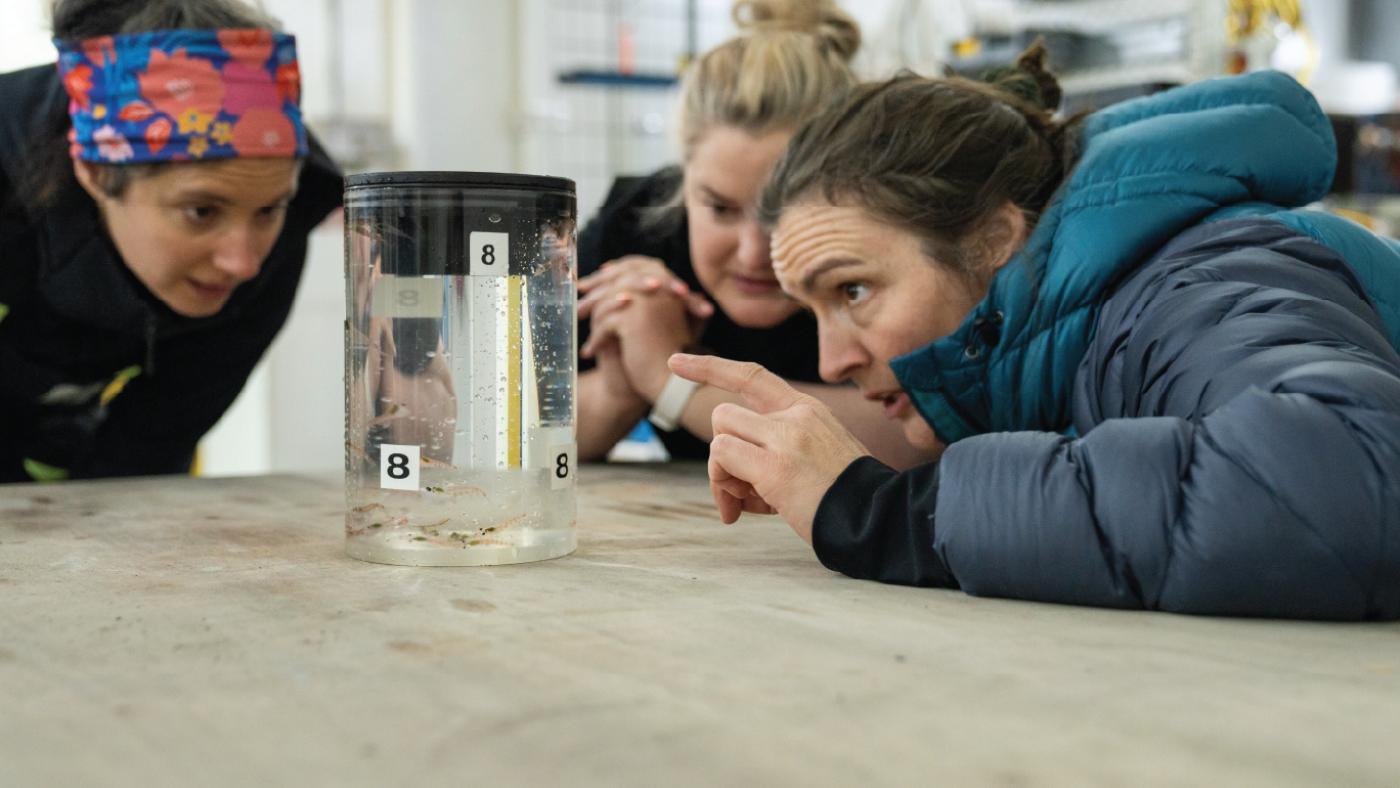
A team from Florida International University (FIU) returned from a month-long expedition in the Caribbean focused on the world’s deepest known hydrothermal vents. The research aimed to understand how blind shrimp navigate these extreme environments without sight, utilizing chemical cues and other sensory mechanisms. This study contributes significantly to our understanding of sensory biology and ecosystem resilience in one of Earth's most isolated habitats.
Giant Sea Spiders Used as "Transport" by Amphipods
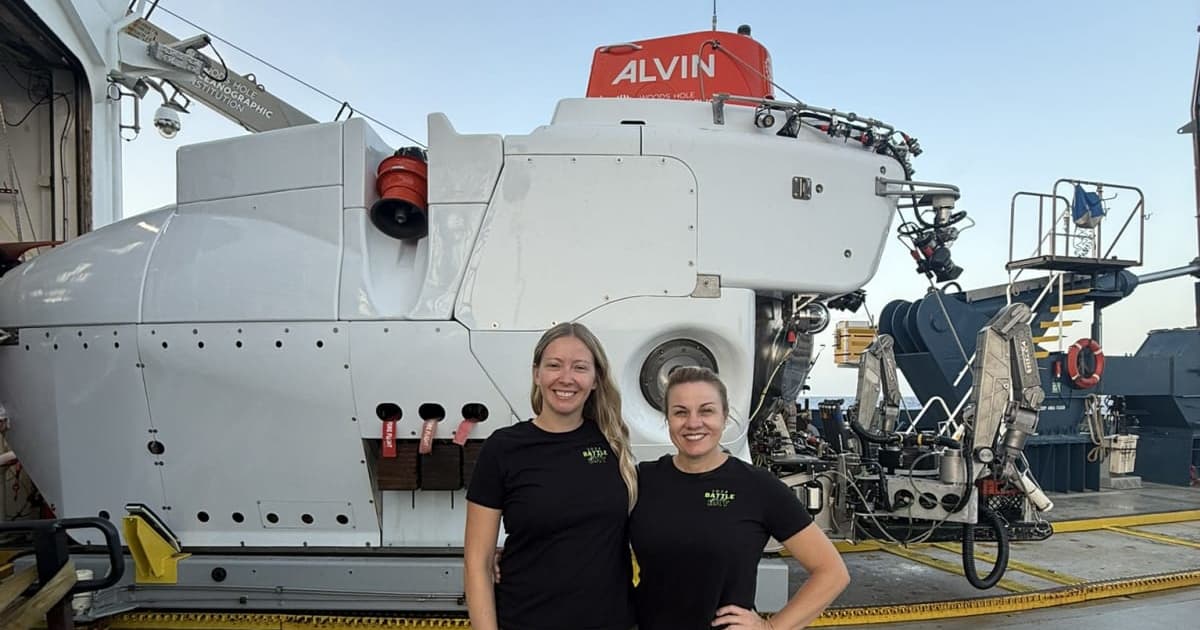
In a behavior observed for the first time, researchers led by Jorge Pérez-Schultheiss from the Museo Nacional de Historia Natural de Chile recorded tiny amphipods clinging to giant sea spiders (Pycnogonida) to move across the ocean floor. Using a robotic submersible, the team documented this "hitchhiking" behavior at two sites separated by 225 kilometers, suggesting a potential dispersal mechanism for small crustaceans in deep-sea ecosystems.

US Deploying Drone Ships for Atlantic Seafloor Mapping
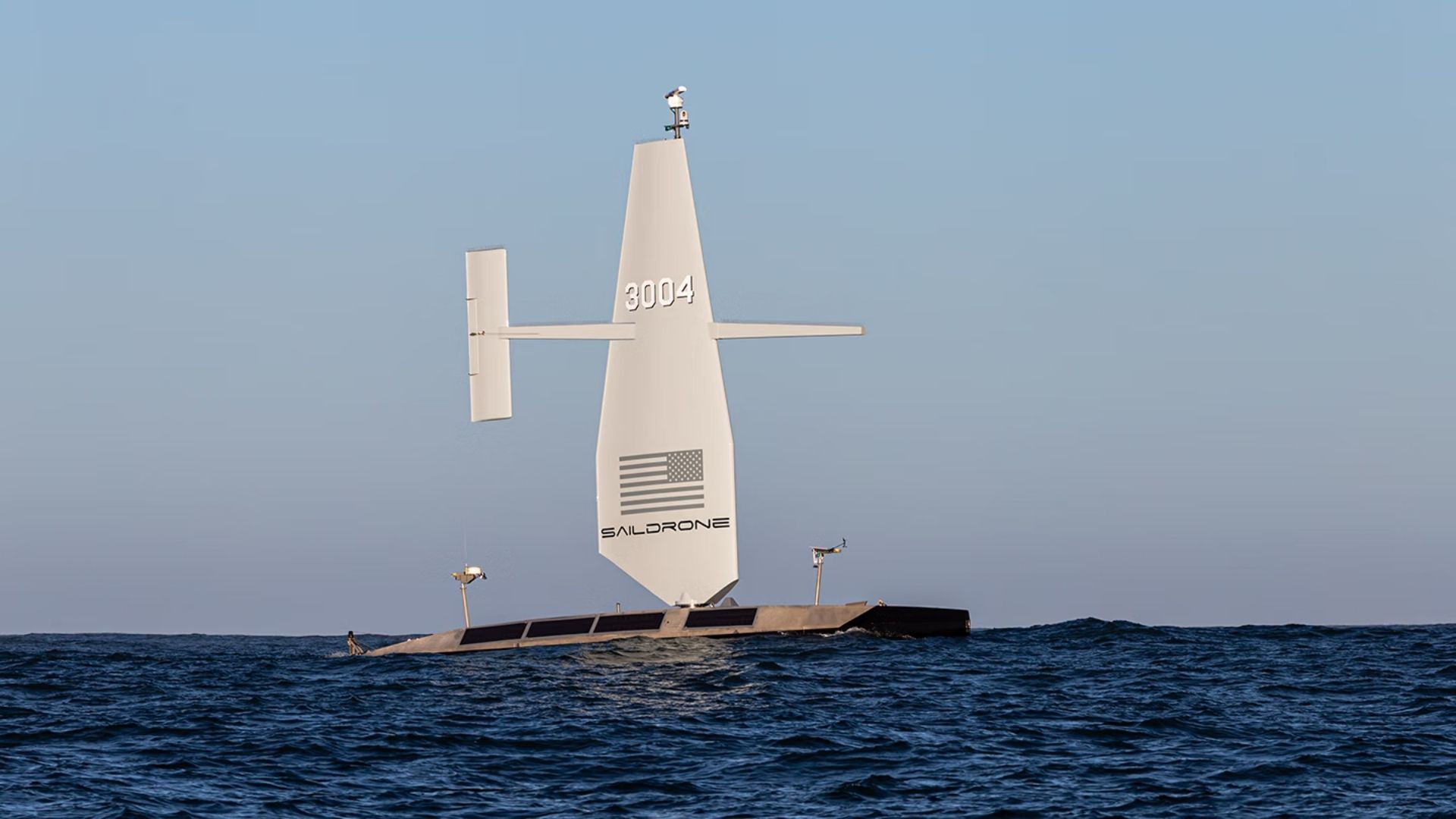
The United States is deploying 66-foot autonomous drone ships to map the vast Atlantic seafloor, aiming to improve upon the current 28.7% of the world’s oceans mapped to modern standards. These vessels are designed to operate autonomously, collecting high-resolution bathymetric data that can reveal hazards and terrain features missed by lower-resolution estimates. This initiative is critical for both scientific understanding and maritime security.
Local view
Local media in Latin America and Spain are highlighting the behavioral discoveries from recent expeditions. Infobae reported extensively on the Chilean discovery of amphipods using sea spiders for transport, emphasizing the novelty of this ecological interaction. Additionally, Marca highlighted the broader context of the Ocean Census, noting that over 1,121 unknown species were identified in depths up to 6,575 meters, framing these discoveries as revealing creatures that "look like they are from another planet".
Context & numbers
- Mapping Progress: As of April 2026, 28.7% of the world’s ocean floor has been mapped to modern standards, with nearly 5 million square kilometers added in the past year alone.
- Species Discovery: The Ocean Census has identified over 1,100 new marine species in the past year, with an estimated 90% of ocean species still undiscovered.
- Ocean Heat: Global ocean heat content continued to rise in 2025, with a pronounced increase of 24 ± 6 ZJ from 2024 to 2025, reflecting long-term climate accumulation.
On the radar
- Seabed 2030 Milestones: Continued monitoring of the Seabed 2030 project’s progress toward mapping 100% of the ocean floor by the end of the decade.
- AMOC Stability: Researchers are closely watching the Atlantic Meridional Overturning Circulation (AMOC), described as a "hidden heat valve," for signs of slowing or collapse which could drastically alter global climate patterns.
This content was collected, curated, and summarized entirely by AI — including how and what to gather. It may contain inaccuracies. Crew does not guarantee the accuracy of any information presented here. Always verify facts on your own before acting on them. Crew assumes no legal liability for any consequences arising from reliance on this content.
Powered by
