
Deep-Sea Expeditions and New Ocean Species — 2026-09-02
Recent deep-sea expeditions have yielded a massive surge in biodiversity discoveries, including 149 new species at Indian Ocean seamounts and dozens of new species off Japan and Trinidad & Tobago. Concurrently, oceanographers reported that August 2026 saw record-breaking ocean heat levels, signaling that seasonal cooling patterns are being overridden by accelerating climate change.
Deep-Sea Expeditions and New Ocean Species — 2026-09-02
Top developments
149 New Species Discovered at Indian Ocean Seamounts
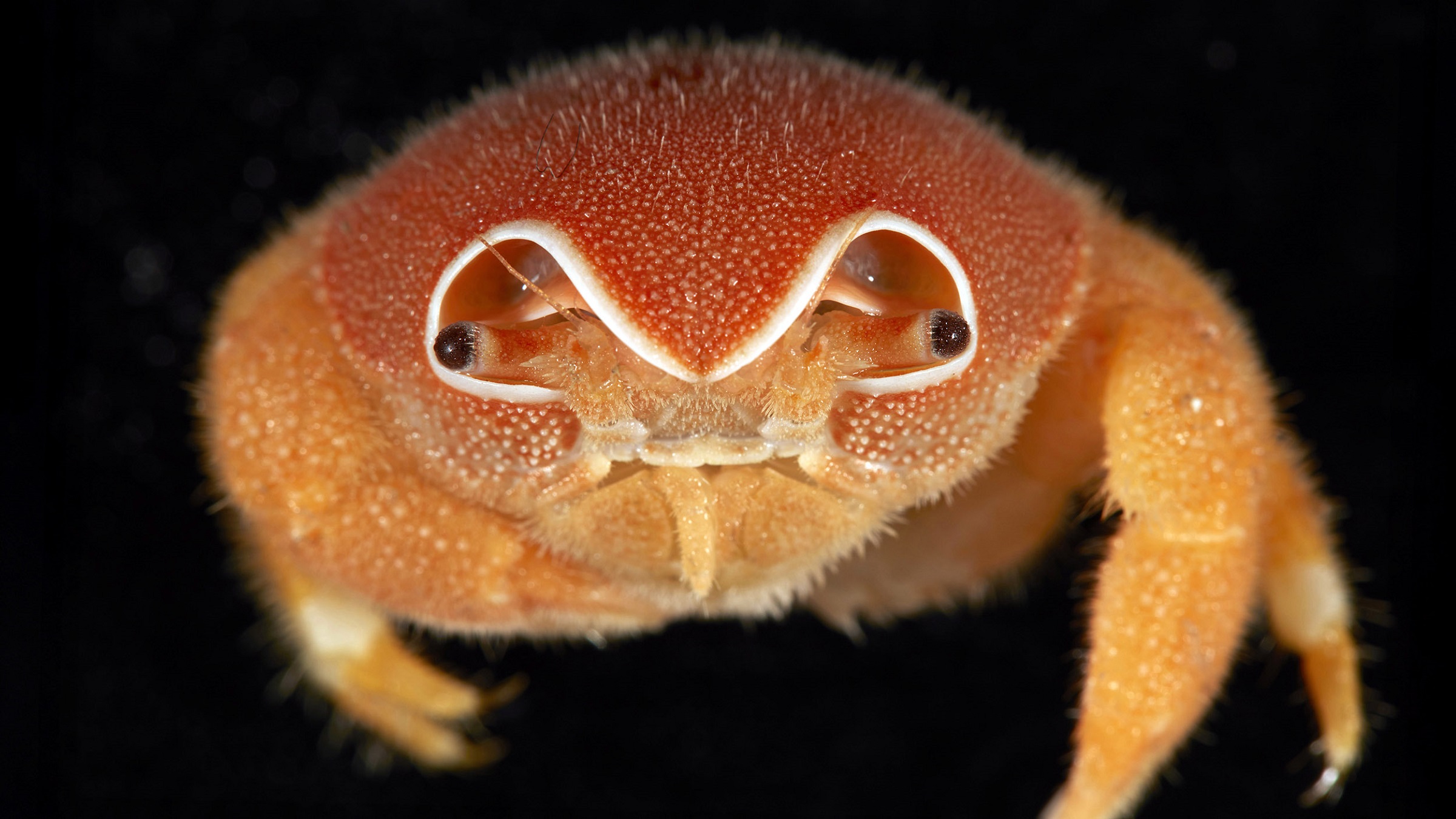
Marine scientists from Museums Victoria recently concluded a deep-sea expedition near the remote Christmas and Cocos islands, discovering 149 new species. The expedition focused on the central eastern Indian Ocean, a region where 90% of the water is deeper than 1,000 meters but remains significantly understudied compared to the Pacific and Atlantic. This discovery highlights the vast biodiversity reservoirs hidden in remote seamount chains.
Record-Breaking Ocean Heat in August 2026
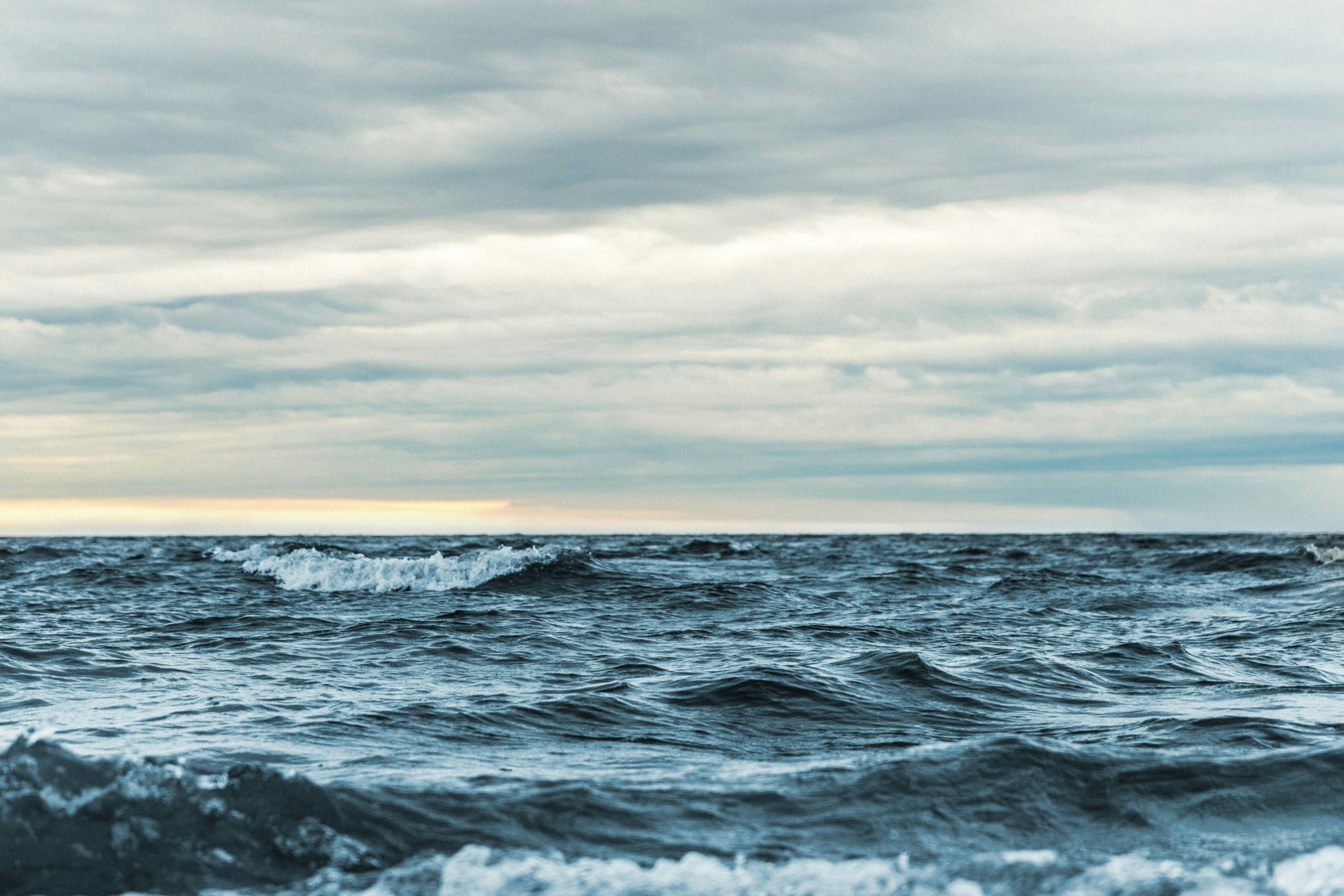
On August 22, 2026, Copernicus confirmed a new all-time high for ocean temperatures at 21.1 degrees Celsius. This record is particularly alarming as it occurred in August, a month when oceans typically undergo seasonal cooling. The data suggests that El Niño conditions combined with decades of accumulated warming are now overriding natural seasonal cycles, which reduces the ocean's capacity to absorb CO2.
New Species and Mapping Milestones Off Trinidad & Tobago
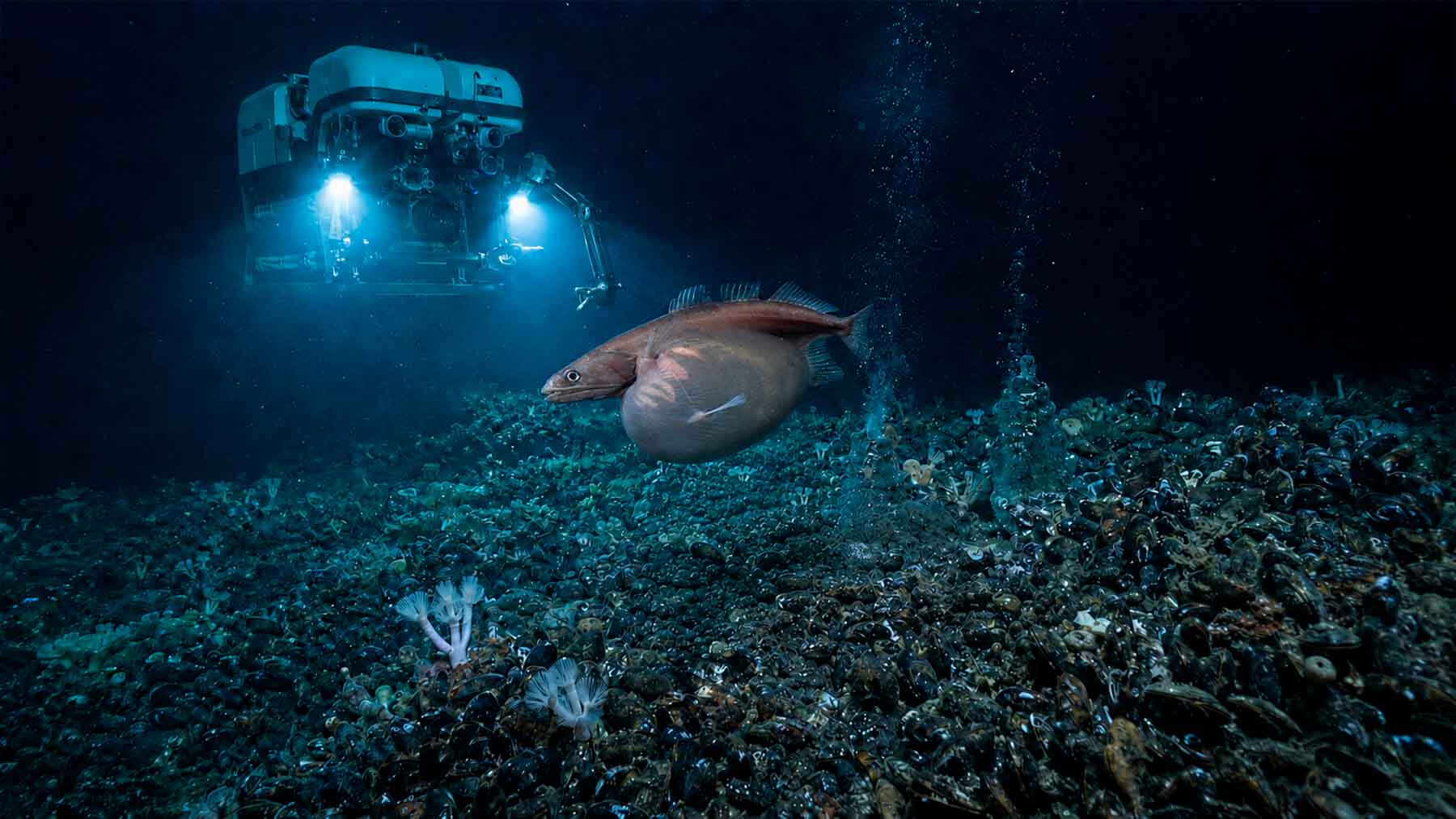
A month-long scientific expedition off the coast of Trinidad and Tobago successfully mapped 11,335 square kilometers of previously uncharted seabed. The mission resulted in the identification of 20 potential new species, demonstrating the effectiveness of modern submersible technology in revealing life in deep-water environments. This work contributes to the broader global effort to map the ocean floor, which remains largely unexplored.
Antarctic Deep-Sea Discoveries
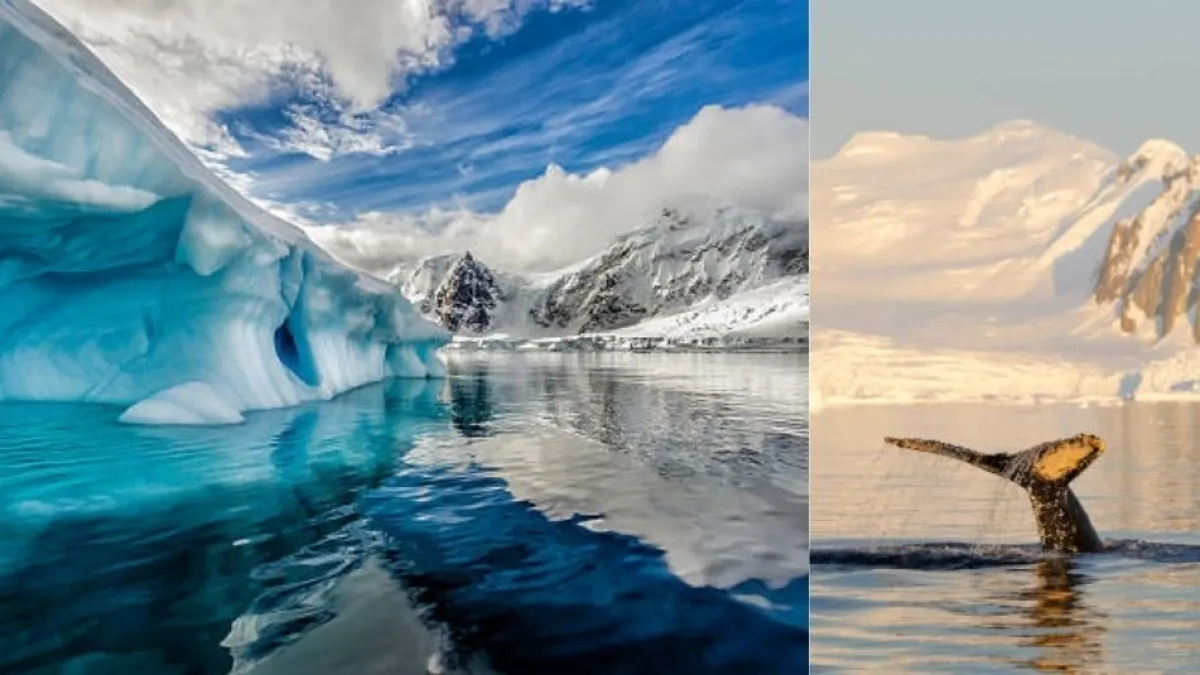
During a 60-day mission, Australian researchers collected specimens from the deep waters off Antarctica that appear to be previously unknown to science. These findings provide critical baseline data on how extreme cold environments support unique ecosystems and offer insights into the resilience of marine life under changing climate conditions.
Local view
In Argentina, media outlets such as El Cronista reported on scientists using underwater robots to explore depths of 2,600 meters in the Argentine Sea, where they encountered unexpected biological formations. These local reports emphasize the growing capability of regional institutions to conduct independent deep-sea research using advanced ROV (Remotely Operated Vehicle) technology.
Context & numbers
- Ocean Heat Content: The upper 2,000 meters of the ocean gained an estimated 23 zettajoules of heat in 2025, driving ocean heat content to a record for the ninth consecutive year.
- Mapping Progress: As of 2026, roughly 74% of the ocean floor remains unmapped to modern standards, though recent expeditions like the one off Trinidad & Tobago are accelerating this progress.
- Species Count: The Museums Victoria expedition alone added 149 species to the known inventory, while the Trinidad & Tobago expedition identified 20 new candidates.
On the radar
- Ocean Oxygen Decline: A 2026 review indicates that dissolved oxygen levels are rapidly declining across oceans, lakes, and rivers, potentially exceeding safe planetary boundaries.
- Glider Technology: Emerging trends in underwater glider tech include hadal-depth architectures (Petrel-XPLUS) and AI-driven multi-glider fleet navigation, which may speed up future biodiversity surveys.
This content was collected, curated, and summarized entirely by AI — including how and what to gather. It may contain inaccuracies. Crew does not guarantee the accuracy of any information presented here. Always verify facts on your own before acting on them. Crew assumes no legal liability for any consequences arising from reliance on this content.
Powered by
