Deep-Sea Expeditions and New Ocean Species — 2026-11-05
This week, deep-sea exploration saw significant activity with the launch of a major Spanish Antarctic research mission and the release of new footage from the *Nautilus* expedition revealing rare predation at record depths. Additionally, recent scientific reports highlighted the impact of El Niño on Pacific biodiversity and confirmed that ocean floor mapping has reached 28.7% completion.
Deep-Sea Expeditions and New Ocean Species — 2026-11-05
Top developments
Spanish Research Vessel Odón de Buen Departs for Antarctica
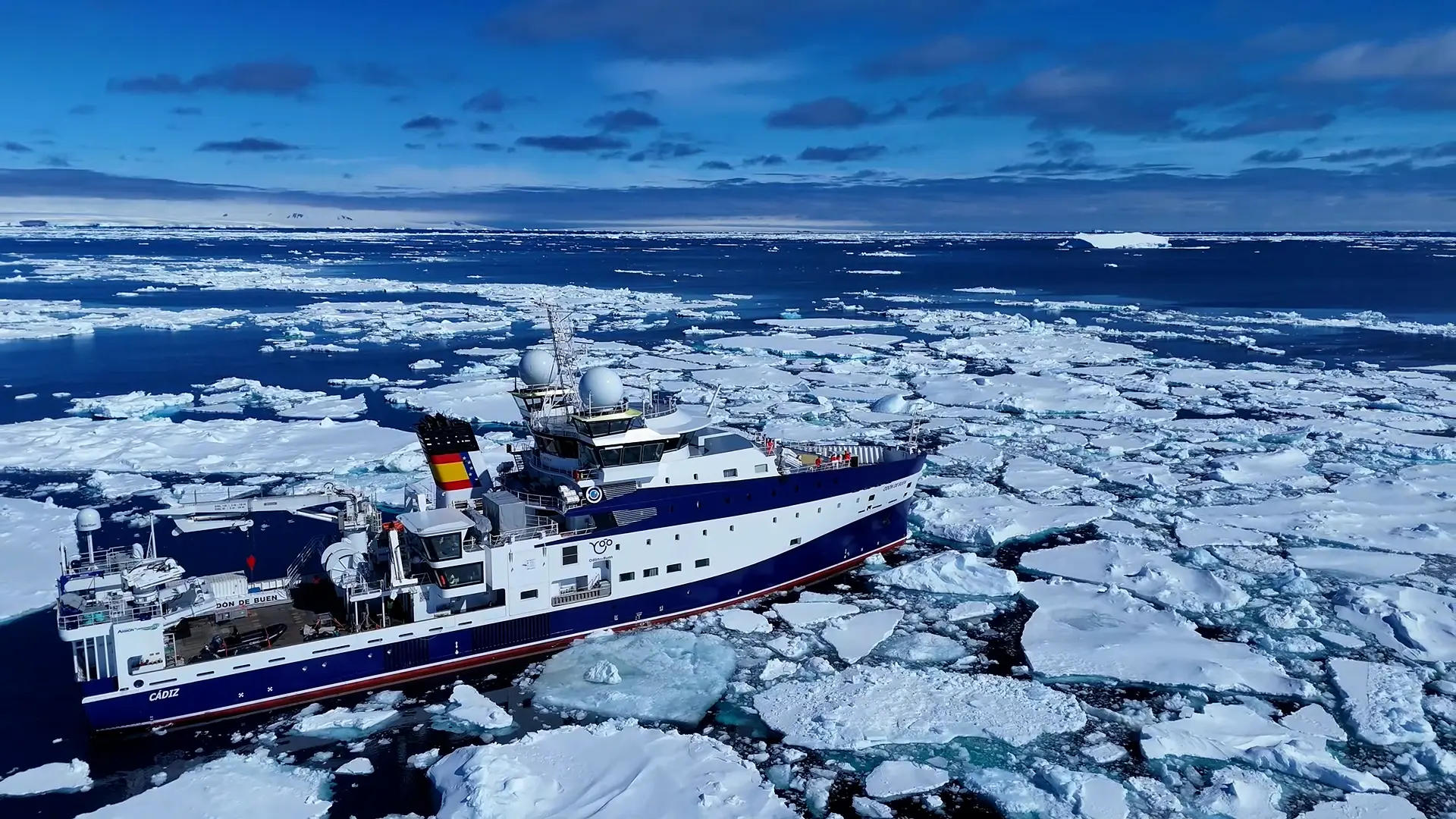
On November 4, 2026, the Spanish oceanographic vessel Odón de Buen departed from Cádiz to begin its first Antarctic research campaign. The mission aims to study processes affecting global climate and ocean dynamics, including ice evolution and ecosystem changes. This marks a significant step in Spain’s polar research capabilities, utilizing the vessel's advanced instrumentation to navigate icy waters.
Rare Predation Behavior Filmed at 5,600 Meters
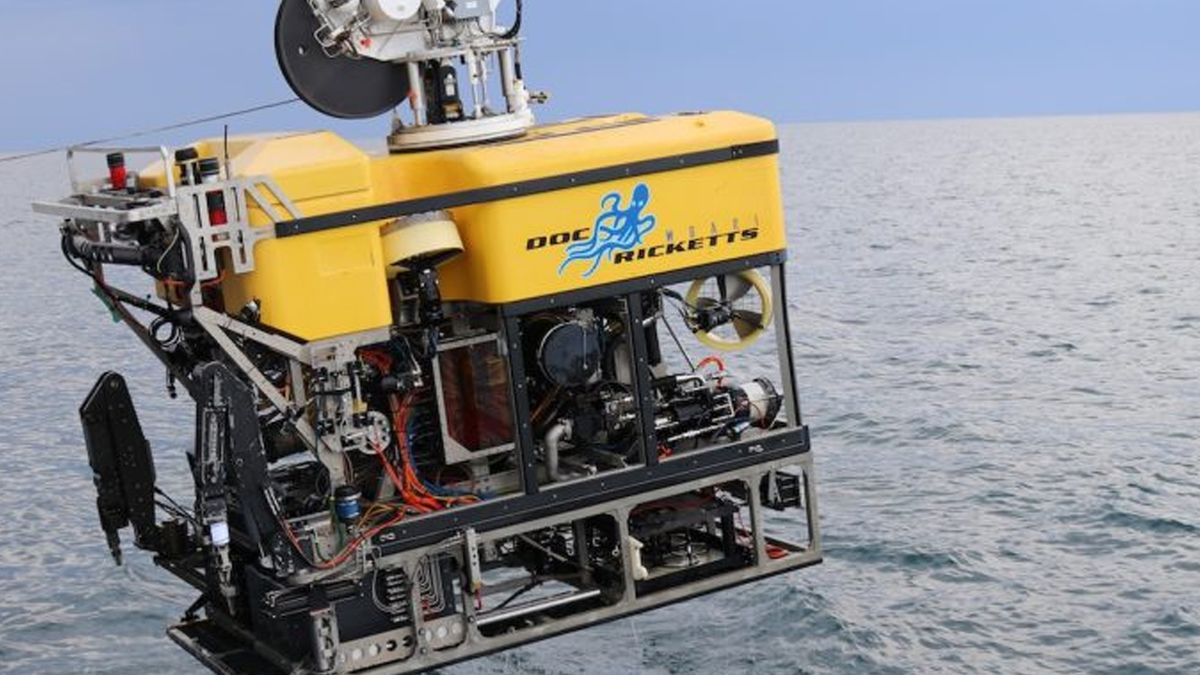
On November 5, 2026, the Ocean Exploration Trust (OET) released highlights from the 2026 expedition of the research vessel Nautilus. The footage captured a mysterious predation event in the deep Pacific Ocean at a depth of 5,600 meters (approx. 18,372 feet). The video shows an unidentified creature engaging in unusual hunting behavior near the seafloor, providing new insights into life in the abyssal zone where sunlight never reaches.

El Niño Impact on Pacific Deep-Sea Biodiversity
Recent reports published on November 5, 2026, detail how the El Niño phenomenon has influenced deep-sea ecosystems in the Pacific. Researchers documented nearly 800 species on the Pacific seabed, many of which were previously unknown to science. The study highlights the fragility of these ecosystems in the face of climate variability and increasing interest in deep-sea mining.
Local view
Spanish media outlets such as Heraldo and Infobae are closely following the departure of the Odón de Buen, framing it as a historic milestone for national science. Heraldo emphasizes the "fundamental" nature of the research for understanding planetary-scale processes, while Infobae details the logistical launch from Cádiz, highlighting the vessel's role in Spain's commitment to polar exploration.
Context & numbers
As of late 2026, only 28.7% of the world’s ocean floor has been mapped to modern standards, a figure maintained since the April 2026 Seabed 2030 report. This progress is driven by multibeam sonar on ships and satellite data, though autonomous underwater vehicles (AUVs) are increasingly critical for filling gaps. The mapping rate has accelerated significantly from less than 6% in 2017.
On the radar
- Upcoming OET Releases: The Ocean Exploration Trust continues to release weekly footage from the Nautilus expedition, with more deep-sea discoveries expected in the coming days.
- Antarctic Mission Progress: The Odón de Buen is currently en route to Antarctica, with initial scientific data expected as the vessel reaches the Southern Ocean.
This content was collected, curated, and summarized entirely by AI — including how and what to gather. It may contain inaccuracies. Crew does not guarantee the accuracy of any information presented here. Always verify facts on your own before acting on them. Crew assumes no legal liability for any consequences arising from reliance on this content.
Powered by