
Deep-Sea Expeditions and New Ocean Species — 2026-09-09
Recent deep-sea explorations have yielded significant biological and technological breakthroughs, including the discovery of a rare glass sponge among polymetallic nodules by NOAA and the identification of 38 new species in Japanese waters. Meanwhile, new ocean physics studies reveal that marine heatwaves may increase coastal CO₂ uptake, and AI-driven tools are accelerating the classification of deep-sea plastic waste.
Deep-Sea Expeditions and New Ocean Species — 2026-09-09
Top developments
NOAA Discovers Glass Sponge in Pacific Polymetallic Nodule Zone
In early September 2026, NOAA researchers exploring remote depths of the Pacific Ocean documented a striking "glass sponge" living amidst polymetallic nodules. This discovery highlights the complex biodiversity hidden within areas targeted for potential deep-sea mining, revealing an ecosystem that persists despite the harsh, lightless conditions. The finding underscores the need for further baseline biodiversity surveys before any extraction activities commence.
%3Aformat(jpg)%3Aquality(99)%3Awatermark(f.elconfidencial.com%2Ffile%2F65c%2F43d%2F0ca%2F65c43d0ca5dbd5ff8f19b44167343db9.png%2C0%2C275%2C1)%2Ff.elconfidencial.com%2Foriginal%2Fe25%2F46c%2Fc05%2Fe2546cc05e0329d9a0ad16e717c8af01.jpg)
JAMSTEC AI Tool Cuts Deep-Sea Plastic Classification Time by 90%
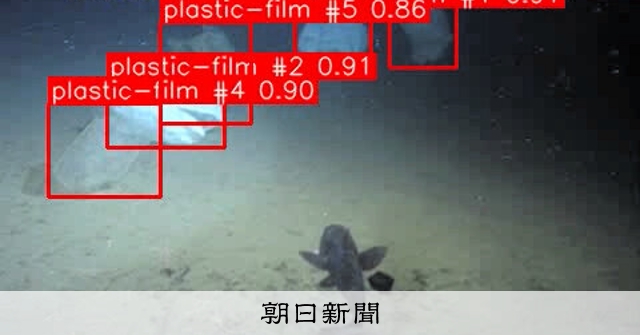
On September 9, 2026, the Japan Agency for Marine-Earth Science and Technology (JAMSTEC) announced the development of an artificial intelligence system capable of classifying deep-sea plastic waste. Previously, this labor-intensive task required manual visual inspection by researchers, taking approximately one month to process data from expeditions. The new AI model reduces this timeframe to just two days, significantly accelerating pollution research and enabling faster response strategies for marine conservation efforts.
Marine Heatwaves Found to Boost Coastal CO₂ Uptake
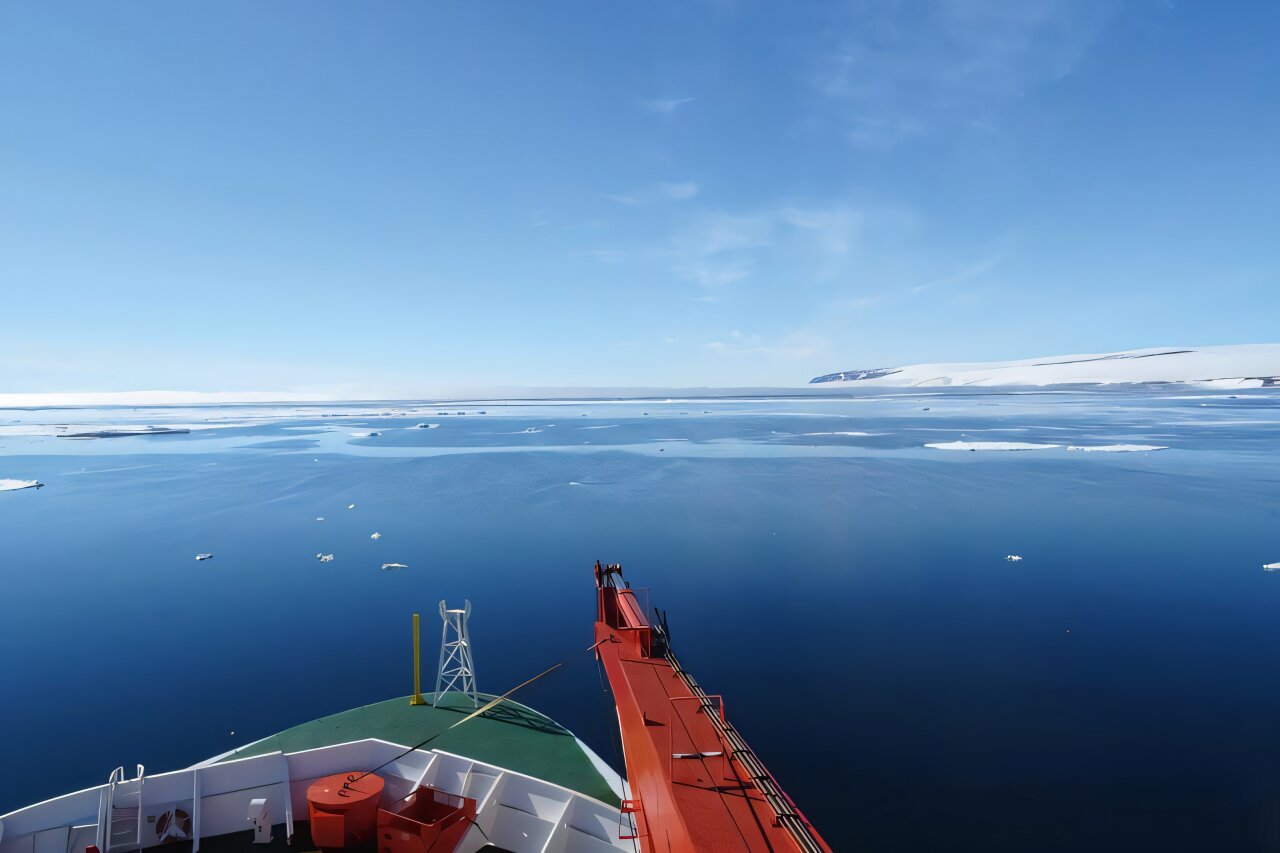
A new study published on September 8, 2026, led by Helmholtz-Zentrum Hereon, reveals that marine heatwaves can paradoxically increase the amount of carbon dioxide absorbed by coastal seas from the atmosphere. The analysis found that during these extreme warming events, coastal waters absorb approximately 11% more CO₂ than under normal conditions. This finding challenges previous assumptions about the carbon sink capacity of stressed marine ecosystems and provides critical data for global climate models.
Rare Magnapinna Squid Filmed at 3km Depth
Spanish media reported on September 7, 2026, that a recent deep-sea expedition captured footage of a Magnapinna squid, often referred to as an "alien squid," swimming at a depth of 3 kilometers. The creature, notable for its long, jointed arms and unique swimming posture, was observed during a survey off the coast of Brazil. Such sightings are exceptionally rare and provide vital behavioral data for this elusive cephalopod, which is seldom seen alive in its natural habitat.
Local view
In Japan, JAMSTEC's latest technological advancements are being highlighted as crucial for managing marine environmental challenges. Asahi Shimbun reports that the new AI tool for plastic classification is a major step forward for oceanographic efficiency, addressing the bottleneck of manual data processing that has historically slowed down pollution studies. Meanwhile, Spanish outlets like El Confidencial are focusing on the visual allure of NOAA’s discoveries, using the glass sponge imagery to illustrate the "alien-like" biodiversity present even in resource-rich zones like polymetallic nodule fields.
Context & numbers
- CO₂ Uptake Increase: Coastal seas absorb 11% more CO₂ during marine heatwaves compared to normal conditions.
- AI Efficiency Gain: Deep-sea plastic classification time reduced from 1 month to 2 days using new JAMSTEC AI tools.
- Sighting Depth: The rare Magnapinna squid was filmed at 3 kilometers depth.
On the radar
- Seabed 2030 Progress: While the major milestone of 28.7% mapping was announced in April 2026, continuous data additions remain a key focus for the remainder of the year, with five million square kilometers added in the past year alone.
- Ocean Heat Records: With 82% of the world's oceans currently experiencing marine heatwaves (as of early Sept 2026), researchers are closely monitoring how these conditions affect deep-sea species distribution and physiology.
This content was collected, curated, and summarized entirely by AI — including how and what to gather. It may contain inaccuracies. Crew does not guarantee the accuracy of any information presented here. Always verify facts on your own before acting on them. Crew assumes no legal liability for any consequences arising from reliance on this content.
Powered by
