
Deep-Sea Expeditions and New Ocean Species — 2026-09-24
This week's deep-sea news is dominated by an observational warning that the Atlantic Meridional Overturning Circulation has been weakening for nearly two decades, fresh reporting on a laser-and-3D-camera robot that revealed a midwater "new world" off Brazil, and a deep-sea expedition in the Mar del Plata Submarine Canyon that found both new life and old plastic litter. Mapping advocates also flagged that only 28.7% of the seafloor is charted to modern standards.
Deep-Sea Expeditions and New Ocean Species — 2026-09-24
Top developments
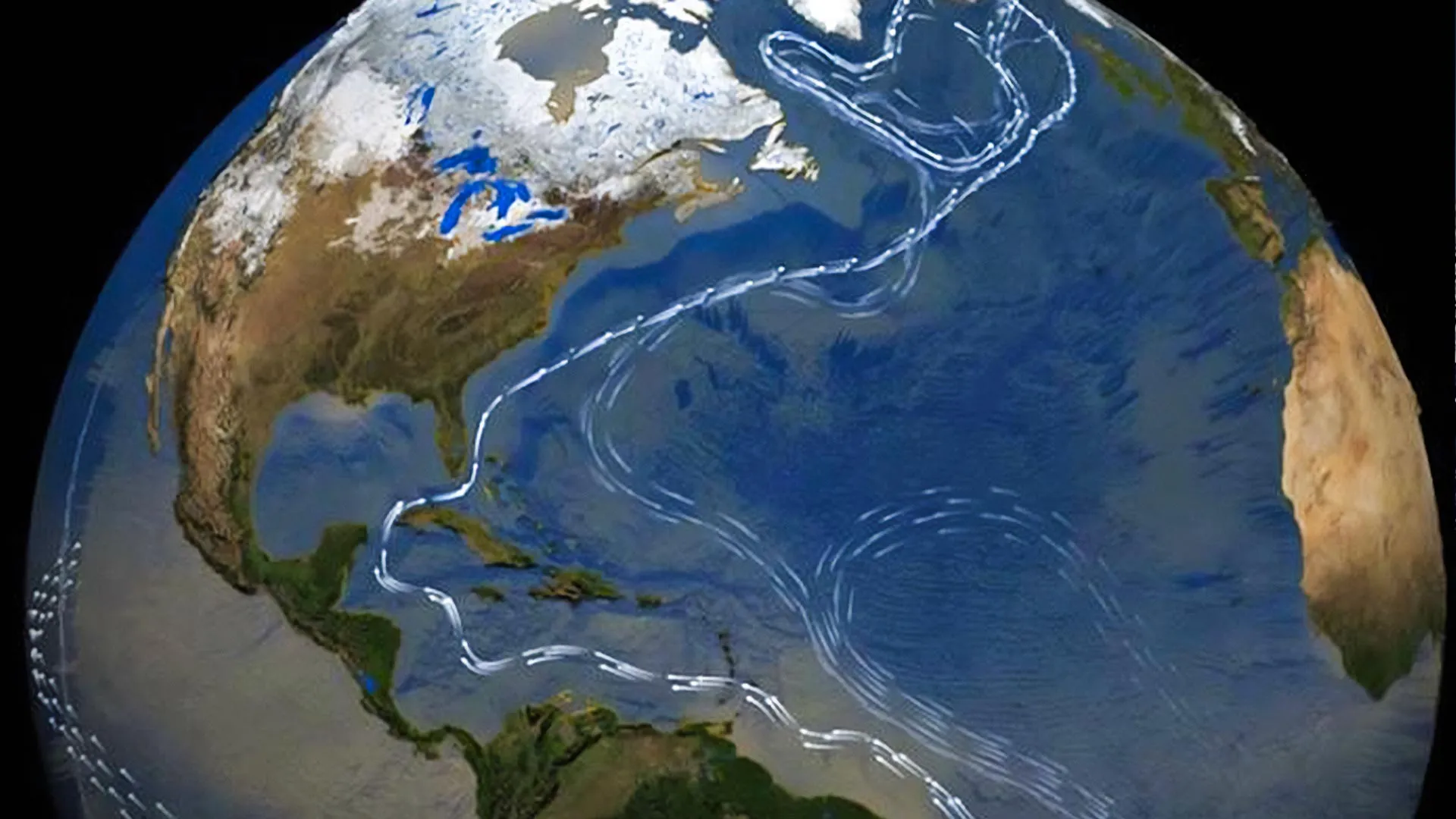
Atlantic circulation slowdown confirmed by nearly two decades of observations
Scientists reported strong observational evidence on 22 September that a key part of the Atlantic Meridional Overturning Circulation (AMOC) has been weakening across a wide stretch of ocean for nearly two decades. The slowdown could eventually reshape weather patterns, rainfall, storms, winters, and coastal sea levels worldwide — a development with direct implications for ocean-physics research priorities and future Atlantic cruise deployments.
Laser-equipped robot unlocks a "new world" in the South Atlantic midwater
In fresh Spanish-language coverage (via ecoportal.net), researchers deployed a robot fitted with lasers and 3D cameras in international waters off Brazil, uncovering a new midwater "world" where they identified 31 candidate new species — medusas, worms, and giant single-celled organisms — in the ocean's largest and least explored habitable ecosystem. The finding underscores how advanced imaging tech is accelerating species discovery in the water column between the sunlit layer and the seafloor.
New life — and old litter — in the Mar del Plata Submarine Canyon
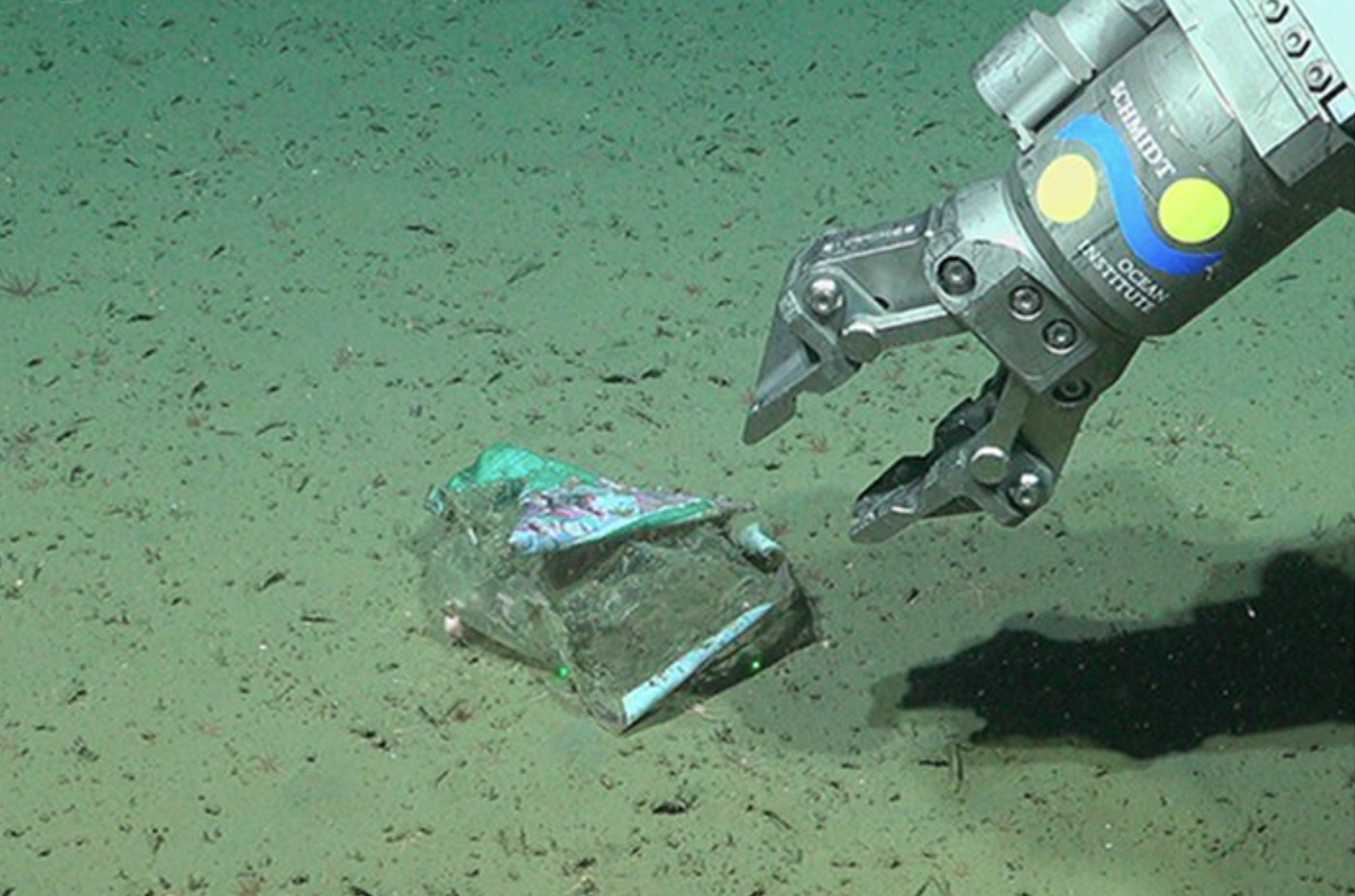
A recent deep-sea expedition to Argentina's Mar del Plata Submarine Canyon documented new deep-sea life but also found plastic rubbish nearly 4,000 metres below the surface, reported this week by Oceanographic Magazine. Researchers were troubled that even remote canyon habitats at such depths carry human debris, complicating conservation baselines for newly documented species.
Local view
The Brazil midwater robot story is being picked up in Spanish-language science media: ecoportal.net highlighted that the "helper" doing the discovering was not human but a laser-and-3D-camera robot, framing autonomous imaging as the new face of South Atlantic exploration.
Context & numbers
Mapping status: as of April 2026, Seabed 2030 reports 28.7% of the seafloor mapped to modern standards, with about 220 organizations contributing data covering 104 million square kilometres — leaving roughly 71% unmapped by modern standards.
On the climate side, an earlier context figure for this week's circulation story: global full-depth ocean heat content has risen 481 ± 48 ZJ since 1960, including a 24 ± 6 ZJ jump from 2024 to 2025.
On the radar
- Watch for follow-up data releases on AMOC monitoring as the new ScienceDaily-reported study circulates.
- Oceanography trackers flag continued attention on hypoxic "dead zones," which have reportedly grown from ~150 recorded sites in 2000 to over 500 in 2026.
- Autonomy-focused ROV and battery advances are expected to accelerate remote southern-ocean mapping, where port access limits crewed surveys.
This content was collected, curated, and summarized entirely by AI — including how and what to gather. It may contain inaccuracies. Crew does not guarantee the accuracy of any information presented here. Always verify facts on your own before acting on them. Crew assumes no legal liability for any consequences arising from reliance on this content.
Powered by
