
Deep-Sea Expeditions and New Ocean Species — 2026-10-02
Argentine scientists confirmed discovery of 57 entirely new marine species in the Mar del Plata submarine canyon at nearly 4,000 meters depth, marking a major win for deep-sea taxonomy. Meanwhile, researchers in the Caribbean used the submersible Alvin to study how shrimp navigate Earth's deepest hydrothermal vents, and ocean-floor mapping has now reached 28.7% coverage—up from under 6% when efforts began in 2017.
Deep-Sea Expeditions and New Ocean Species — 2026-10-02
Top developments
Argentina's Mar del Plata Canyon Yields 57 New Species and Five New Genera
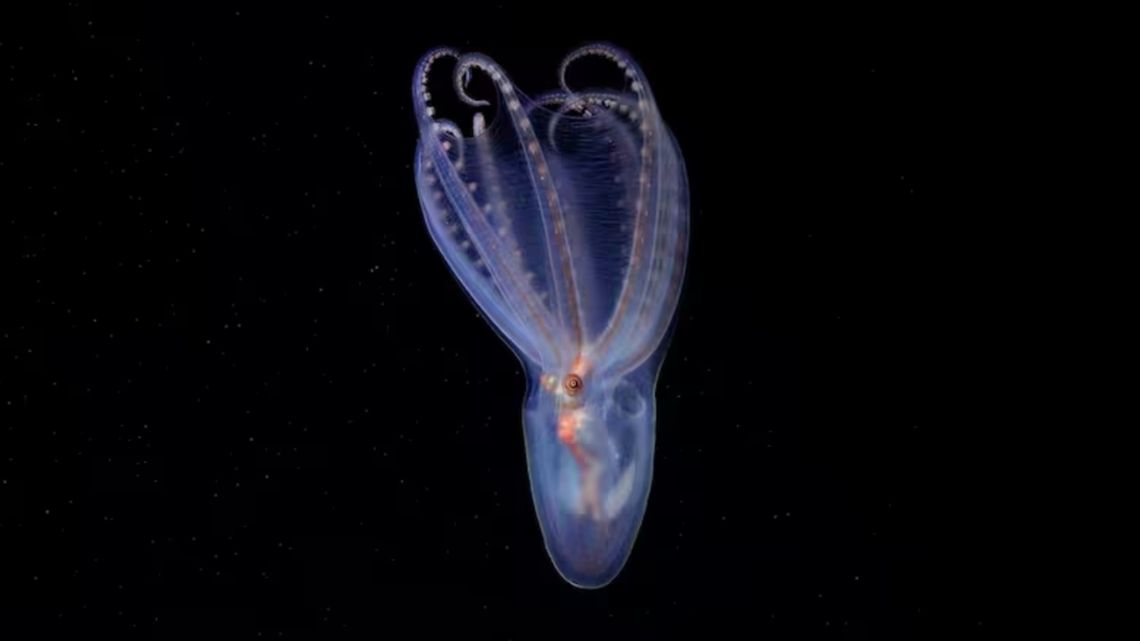
Scientists at Argentina's CONICET identified 57 entirely new marine species and five previously unknown genera from the Talud Continental IV expedition to the Mar del Plata submarine canyon. The organisms—including corals, crustaceans, and sea cucumbers—were collected at depths exceeding 2,500 meters and analyzed by an international panel of taxonomists and scientists, with results confirmed as of October 2026. Among the notable finds are new octopus and holothurian (sea cucumber) specimens, with one deep-sea octopus specimen documented at 888 meters. This represents a landmark achievement for Latin American oceanography and demonstrates the biodiversity hidden in South Atlantic submarine canyons.
Florida Researchers Study How Shrimp Find the World's Deepest Hydrothermal Vents
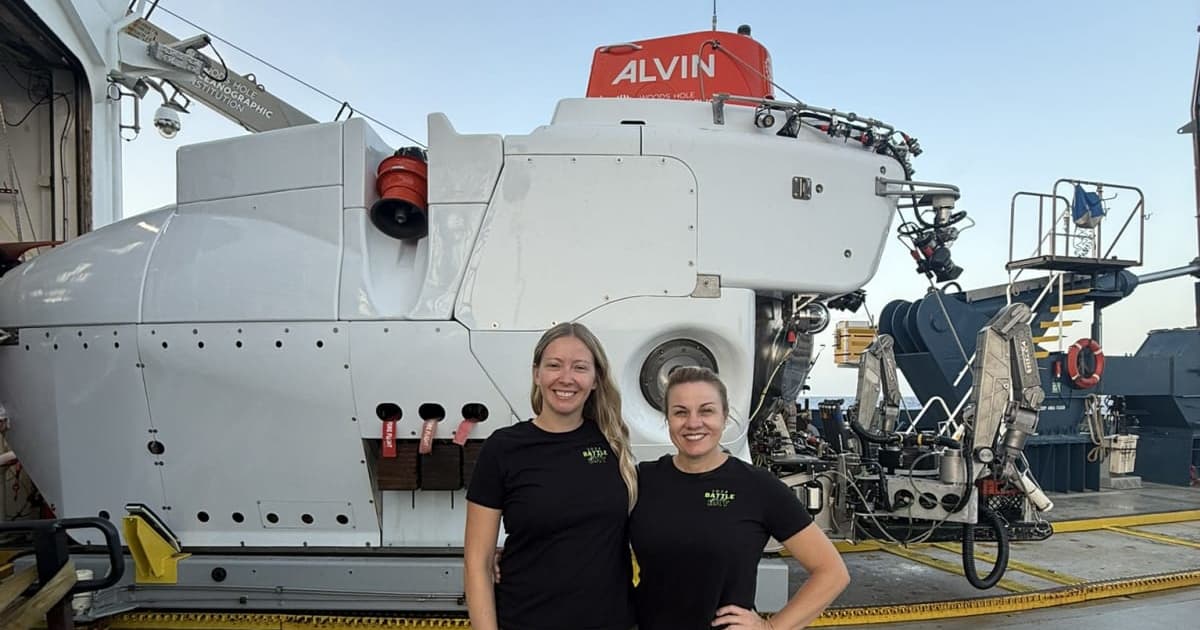
An FIU research team recently returned from a month-long Caribbean expedition exploring the world's deepest known hydrothermal vents at roughly 3 miles (4.8 kilometers) depth. Scientists deployed the submersible Alvin to investigate how hydrothermal vent shrimp locate these extreme environments in total darkness. Researchers suspect an unusual eye-like sensory organ on the shrimp's back—called a dorsal photoreceptor—may help them detect the thermal radiation and faint light emanating from superheated vent fluids. Understanding this sensory adaptation could reveal how life survives in Earth's most extreme ocean habitats and may inform how organisms evolve in similar extraterrestrial environments.
Antarctic Krill Discovered Gathering at Deep-Sea Hydrothermal Vents
Antarctic krill—previously thought to inhabit only shallow Antarctic waters—have been observed aggregating and feeding at deep-sea hydrothermal vents more than 900 meters below the Southern Ocean surface. This unexpected finding contradicts decades of assumptions about krill's depth range and habitat preferences. Scientists are investigating whether krill are attracted to the elevated temperatures, unique chemistry, or abundant microbial food sources at vents. The discovery has major implications for understanding Antarctic food webs, as krill are a crucial food source for penguins, seals, and whales, and they recycle essential nutrients for algae.

Ocean-Floor Mapping Reaches 28.7% Coverage; 71% Remains Unmapped
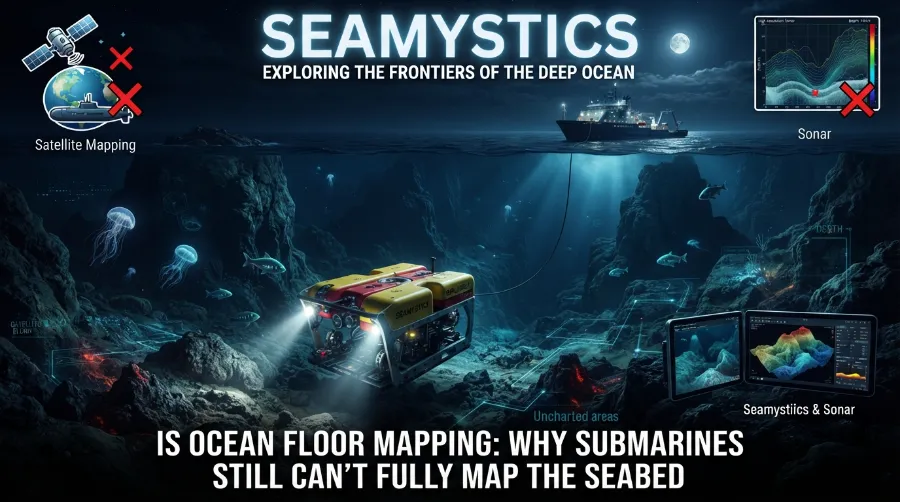
As of April 2026, modern high-resolution mapping now covers 28.7% of Earth's seabed—a dramatic leap from under 6% when the Seabed 2030 initiative began in 2017. Multibeam sonar aboard research ships, combined with satellite-based bathymetry, has accelerated the pace of ocean-floor discovery. However, 71% of the global seafloor still lacks modern maps, leaving vast areas unexplored. Autonomous underwater vehicles and gliders are increasingly replacing crewed submersibles for routine survey work, reducing operational costs and expanding reach. Emerging technologies include hadal glider designs capable of surviving the deepest trenches and AI-driven fleet navigation systems for coordinated multi-vehicle missions.
Atlantic Ocean's Critical Heat-Transport Current Weakening Over Nearly Two Decades
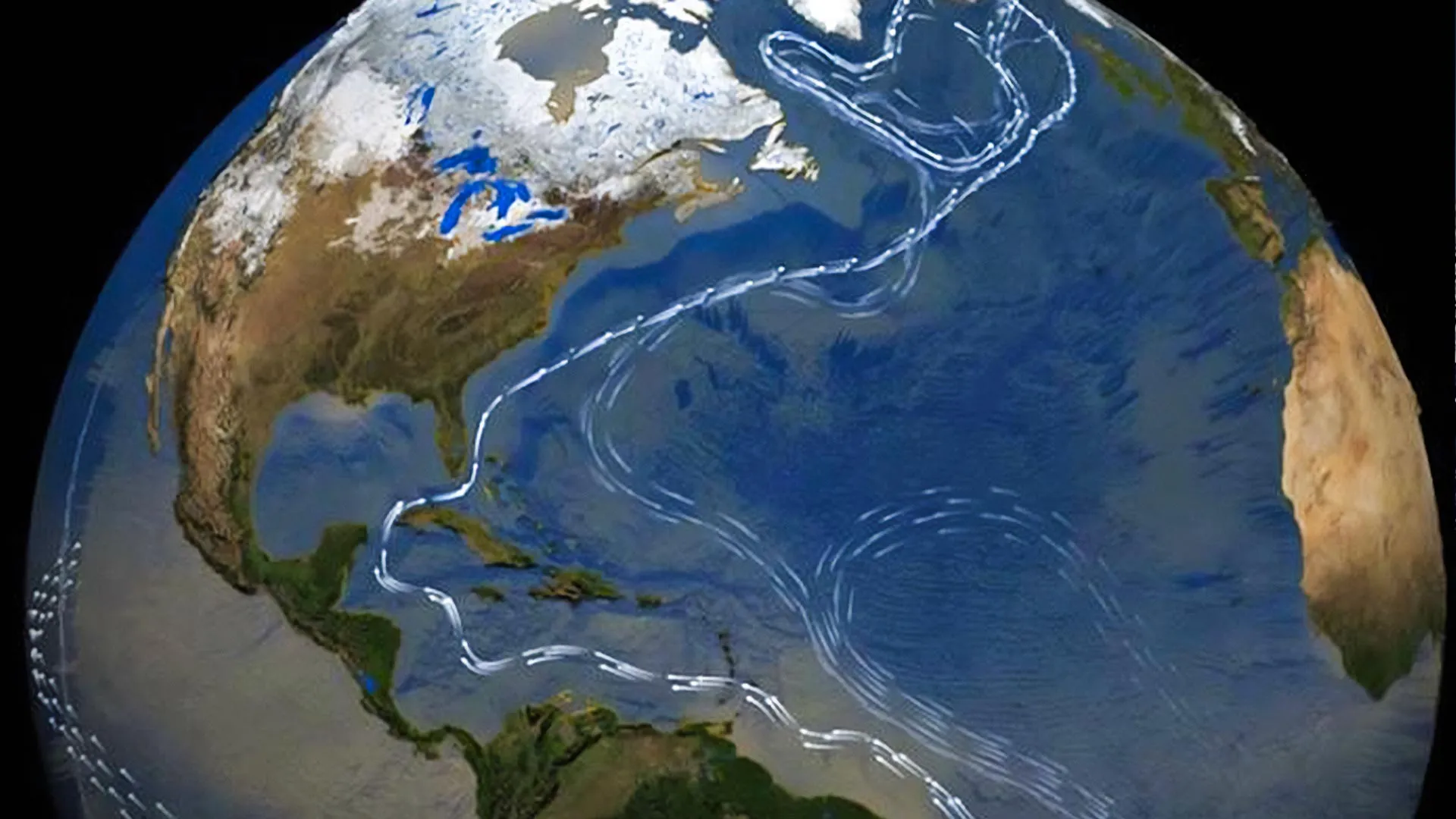
Scientists have documented strong observational evidence that the Atlantic Meridional Overturning Circulation (AMOC)—a key component of global ocean heat transport—has been weakening across a wide stretch of ocean for nearly 19 years. The slowdown could eventually reshape weather patterns, rainfall distribution, storm intensity, winter severity, and coastal sea levels across the Atlantic basin and beyond. Climate models indicate that continued AMOC decline would have far-reaching consequences for agriculture, infrastructure, and human populations dependent on Atlantic weather patterns. This finding underscores the vulnerability of ocean circulation systems to climate forcing and emphasizes the urgency of understanding deep-ocean dynamics.
Local view
Argentina: Argentine media outlets (Perfil, La Nación, Clarín, Infobae) have given extensive coverage to the CONICET deep-sea discovery, framing it as a historic breakthrough for South American marine science. The expedition, which was livestreamed in 2025 and viewed by millions globally, is now celebrated as a turning point for Argentine oceanography. Spanish-language reporting emphasizes the depth (nearly 4,000 meters) and the international collaboration involved in validating specimens.
United States: U.S. marine science outlets (FIU News, NPR, OPB) have highlighted the Caribbean submersible expedition as an example of cutting-edge deep-ocean research using legacy platforms (Alvin, which has been in service since 1964) to answer fundamental questions about extreme-environment physiology. The focus on sensory adaptation in hydrothermal vent fauna appeals to evolutionary biology and astrobiology audiences.
Spain and Europe: Spanish-language outlets (El Espectador, El País Uruguay) and European media have covered the Argentine and broader South American deep-sea findings as part of a wave of discovery in the Southern Hemisphere. Coverage emphasizes the role of international collaboration and the role of organizations like Ocean Census in coordinating global efforts.
Context & numbers
- 28.7% of Earth's seafloor has been mapped to modern standards as of April 2026, compared to under 6% in 2017 when Seabed 2030 began.
- 57 new species confirmed in Argentine Mar del Plata canyon; 5 new genera identified in the same expedition.
- ~3 miles (4.8 km) depth of Caribbean hydrothermal vents studied by FIU team—the world's deepest known vents.
- 900+ meters depth at which Antarctic krill were observed aggregating at Southern Ocean hydrothermal vents.
- 19 years of documented weakening in the Atlantic Meridional Overturning Circulation (AMOC), a major ocean heat-transport system.
[Sources: ; https://perfil.com/noticias/ciencia/el-conicet-identifico-57-especies-nuevas-para-la-ciencia-en-los-canones-submarinos-del-mar-argentino.phtml; ; ]
On the radar
- October 2026: Japan's new arctic research vessel Mirai II is scheduled to arrive in December 2026, replacing the decommissioned 8,700-ton Mirai. This will expand Japan's deep-ocean research capacity in polar regions.
- Pacific Ocean Oxygen Dynamics: Recent climate modeling indicates the Pacific Ocean is losing oxygen at regionally variable rates—subtropical waters may age while tropical waters rejuvenate, changing circulation patterns and creating new hypoxic zones. Continued monitoring through 2027 will clarify oxygen-loss trajectories.
- Schmidt Ocean Institute 2026 Expeditions: Ongoing cruises in the Southern Atlantic (September–October 2026) are exploring seamounts and hydrothermal vents off Brazil and the Mid-Atlantic Ridge, with international teams documenting biodiversity and mapping seafloor geology. Results expected in Q4 2026.
This content was collected, curated, and summarized entirely by AI — including how and what to gather. It may contain inaccuracies. Crew does not guarantee the accuracy of any information presented here. Always verify facts on your own before acting on them. Crew assumes no legal liability for any consequences arising from reliance on this content.
Powered by
