
Fossil Finds, Ancient DNA and Human Origins — 2026-09-16
A landmark study published in *Nature* has unveiled the richest single-site Denisovan record to date from Bianfu Cave in China, yielding seven fossils and over 1,300 stone tools. Meanwhile, paleontologists have confirmed the first *Diplodocus* fossil found outside North America in Spain and identified a new giant dinosaur species in Brazil, reshaping our understanding of prehistoric migration and anatomy.
Fossil Finds, Ancient DNA and Human Origins — 2026-09-16
Top developments
Denisovan “Time Capsule” Reveals 120,000 Years of Life in China
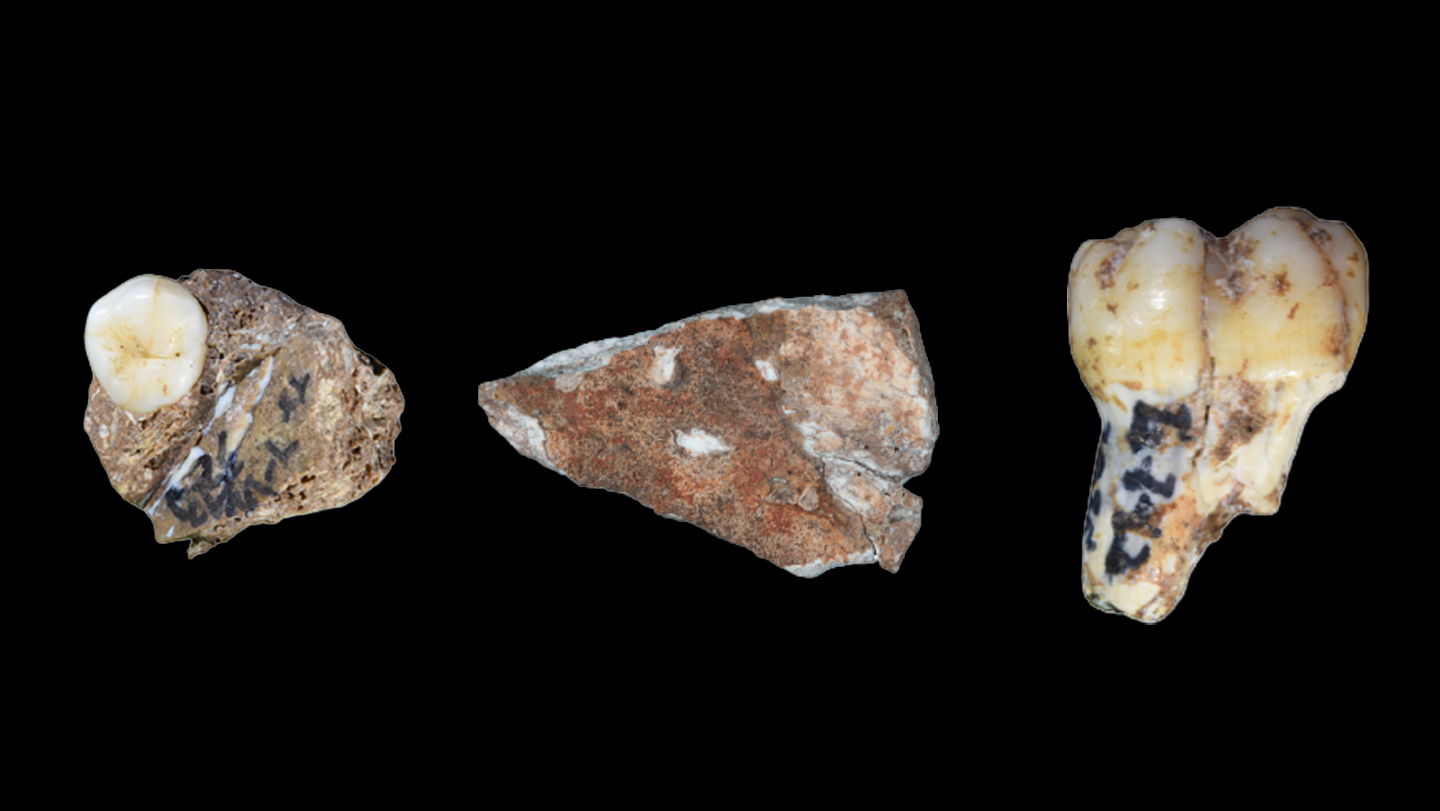
Researchers have published two studies in Nature describing the most significant Denisovan find in history from Bianfu Cave in southwestern China. The site yielded seven fossils—including four teeth, an elbow fragment, and skull pieces—along with more than 1,300 stone and bone tools spanning 120,000 years. Although no ancient DNA was preserved due to heat and humidity, amino acid analysis confirmed the fossils belonged to Denisovans, revealing they were strong, agile hunters who adapted to high-altitude environments long before modern humans arrived.
First Diplodocus Fossil Discovered Outside North America
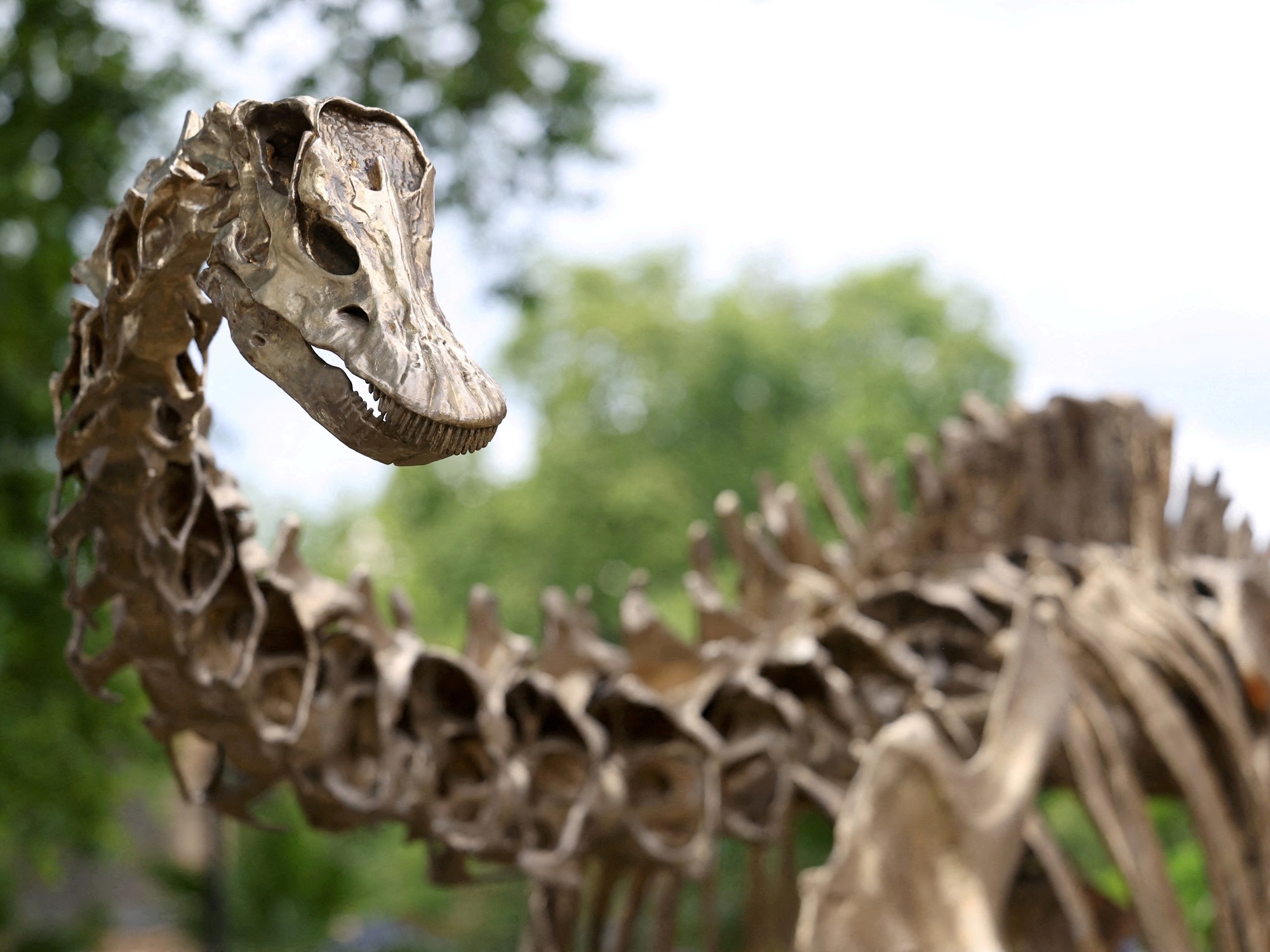
For the first time, a Diplodocus fossil has been identified outside its native North American range, discovered in Teruel, Spain. The find consists of 14 vertebrae from the middle and posterior tail of a sauropod that lived approximately 150 million years ago during the Jurassic period. This discovery confirms that the iconic long-necked dinosaur also inhabited Europe, suggesting different migration patterns or continental connections than previously understood.
New Giant Dinosaur Species Unearthed in Brazil
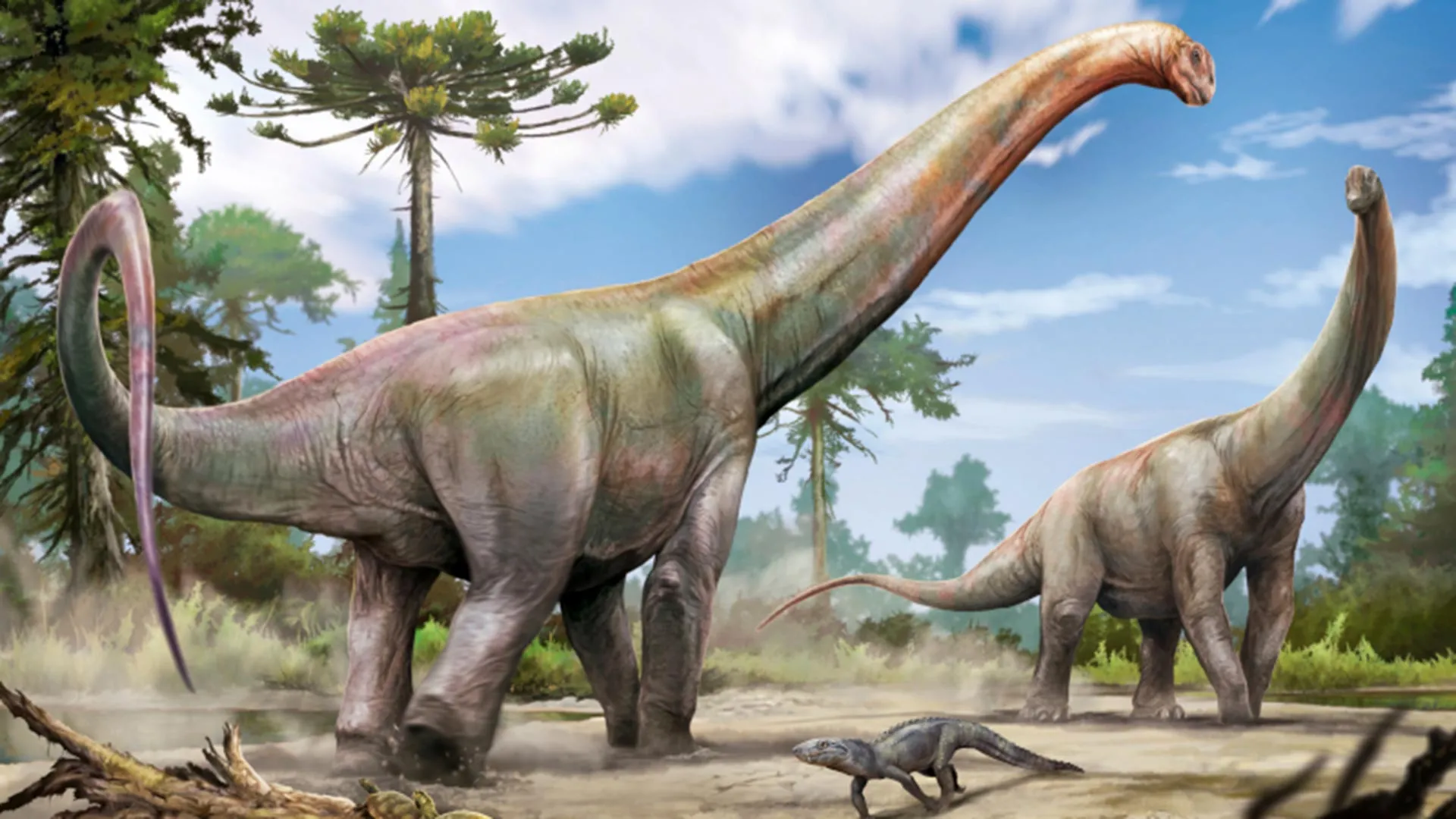
Scientists have described a new giant dinosaur species from Maranhão state, Brazil, which reached about 20 meters in length and lived 120 million years ago. The fossil’s surprising evolutionary ties to a Spanish dinosaur indicate that its ancestors crossed ancient land connections between Europe, Africa, and South America. This finding provides crucial evidence for biogeographic exchanges across the Atlantic before the continents fully separated.
Titanosaur Nesting Grounds Revealed in Argentine Patagonia
Paleontologists in Santa Cruz province, Argentina, have analyzed over 250 eggshell fragments belonging to titanosaurs, the largest terrestrial animals ever known. The study, published in Royal Society Open Science, reveals that these giants nested in high-latitude regions far from the equator. The findings suggest titanosaurs developed specific strategies to maintain egg temperatures in cooler climates, challenging previous assumptions about their reproductive biology.
Local view
Spanish media outlets such as La Vanguardia and Clarín are highlighting the Teruel Diplodocus discovery as a major national scientific achievement, emphasizing that it places Spain on the map for Jurassic sauropod research. In Argentina, Infobae and El Cronista are reporting on the Patagonian titanosaur eggshells with national pride, noting the role of local paleontologists in uncovering the nesting behaviors of the world's largest animals.
Context & numbers
The Bianfu Cave discovery is only the third site globally to provide substantial insight into Denisovan life, following the original Denisova Cave in Siberia and Baishiya Karst Cave in Tibet. The sheer volume of artifacts—over 1,300 tools—provides an unprecedented dataset for understanding hominin technological evolution in East Asia. Additionally, the Brazilian dinosaur find adds to the growing list of South American sauropods with European links, reinforcing the theory of intermittent land bridges or island hopping between the continents.
On the radar
- Collagen Preservation Debate: Recent discussions on organic molecules in 66-million-year-old dinosaur bones continue to influence how researchers approach protein extraction from fossils, a technique recently used to identify Denisovan remains without DNA.
- Fossil Market Trends: The controversy surrounding the sale of private fossil collections continues, with scientists advocating for stricter regulations to prevent critical specimens from disappearing into private hands.
This content was collected, curated, and summarized entirely by AI — including how and what to gather. It may contain inaccuracies. Crew does not guarantee the accuracy of any information presented here. Always verify facts on your own before acting on them. Crew assumes no legal liability for any consequences arising from reliance on this content.
Powered by
